






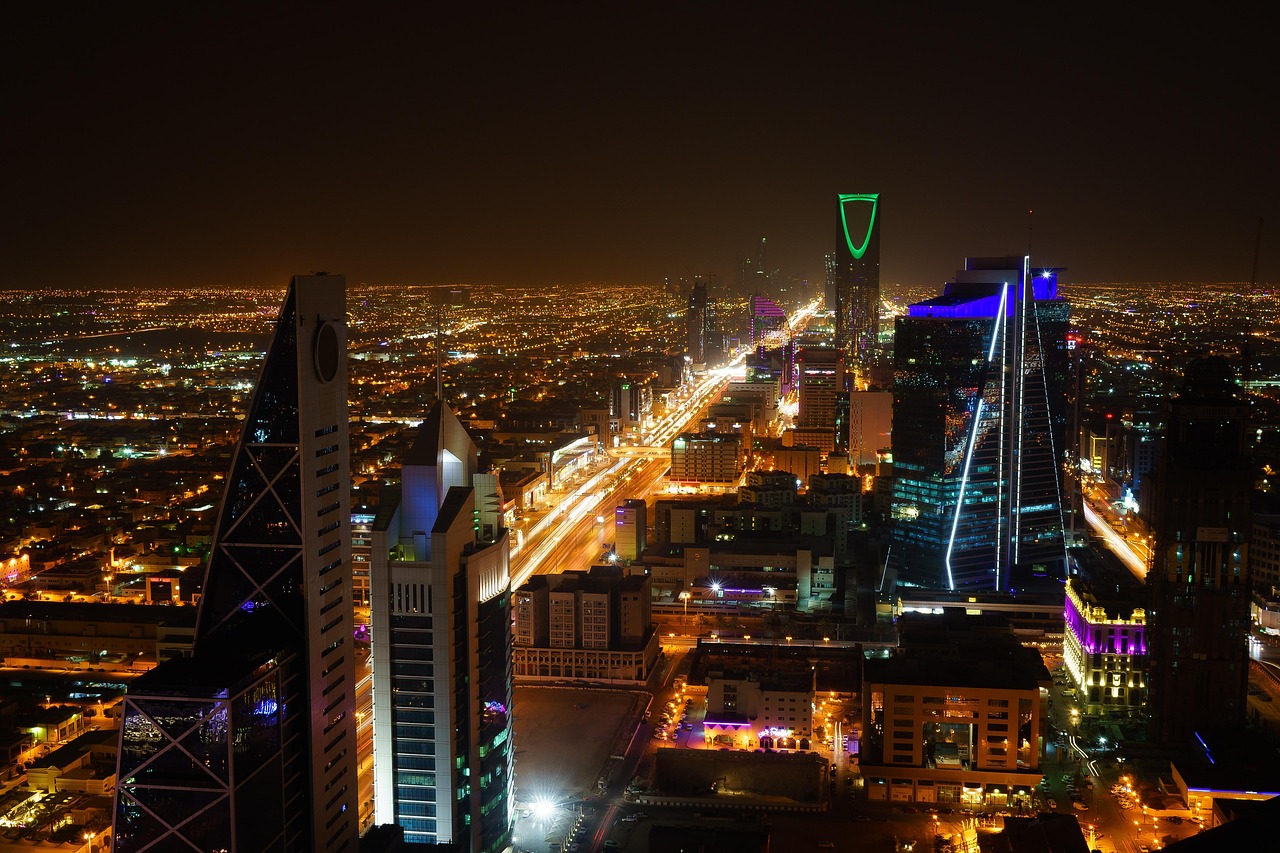

The Saudi Arabia real estate market trends 2026 show a market in transition: demand is shifting from purely residential supply to mixed-use, tourism-driven developments and logistics hubs tied to Vision 2030 projects. Major giga-projects, expanding airports, and a youth-led population are reshaping where buyers and renters focus—Riyadh for offices and upper‑market housing, Jeddah for port-related logistics and coastal living, and new tourism zones like NEOM and the Red Sea for luxury hospitality and branded residences.
If you plan to travel to Saudi Arabia to inspect property, to rent short-term while evaluating neighborhoods, or to invest from abroad, understanding these trends helps you prioritize cities, anticipate infrastructure timelines, and pick the right local partners. This article summarizes the outlook for buyers, renters, and travelers in 2026 and offers practical planning tips for on-the-ground visits.
Quick Answer
Saudi Arabia real estate market trends 2026 are driven by tourism-led development, infrastructure upgrades, and selective regulatory reform. Expect stronger demand in cities connected to giga-projects (NEOM, Red Sea, Diriyah), rising interest in mixed-use and hospitality assets, and steady housing demand in Riyadh and Jeddah. Travelers should verify legal and travel conditions with official sources before visiting property.
Key Takeaways
- Giga-projects and tourism initiatives are the main growth engine for prime real estate.
- Riyadh and Jeddah remain core markets for residential and commercial demand.
- Foreign investment channels are expanding, but legal frameworks vary by zone—get local advice.
- Travel to inspect property benefits from planning around airports, hotel availability, and local business days.
- Due diligence—title checks, developer reputations, and infrastructure timelines—matters more than headline yields.
Why 2026 feels different: macro drivers behind Saudi Arabia real estate market trends 2026
Investment and development in Saudi Arabia are increasingly tied to tourism and logistics, not just housing. The government’s push to diversify the economy means large-scale tourism projects are catalyzing demand for luxury hotels, branded residences, and supporting retail and services.
Additionally, airport expansions (for example in Riyadh and Jeddah), new transport links, and incentives for businesses in economic zones affect where commercial landlords and industrial developers focus their capital. These infrastructure moves also influence traveler choices when planning inspection trips or property-viewing itineraries.
Regional snapshot: where to look in Saudi Arabia in 2026
Riyadh — the administrative and corporate center
Riyadh continues to attract office tenants, executives, and high-end residential buyers. New master-planned districts and hospitality launches aim to support business travel and events. Travelers coming to assess properties should align visits with Riyadh’s weekday business calendar.
Jeddah and the Red Sea coast — logistics, lifestyle, and port access
Jeddah remains the commercial gateway to the Red Sea, with logistics and port-adjacent real estate in demand. The coast has growing appeal for lifestyle and second‑home buyers, especially as nearby tourism resorts and marine development progress.
NEOM, Red Sea Project, Diriyah — the tourism-driven hotspots
These designated tourism projects are changing investment appetite toward hospitality and branded residential assets. Many parcels are still in various development stages; investors should prioritize verifiable timelines and approved master plans when evaluating opportunities.
How the rental and residential markets are evolving
Rental demand remains strong in urban centers driven by young professionals and expatriate workers. There’s a visible move toward furnished, short-term options in city centers and luxury serviced residences near new tourism projects. Long-term renters continue to favor neighborhoods with reliable transport links and proximity to schools and healthcare.
What buyers should look for in 2026
- Infrastructure delivery dates and confirmed utilities.
- Developer track record on completing projects on time.
- Proximity to airports and major roads—useful for both property value and travel logistics.
- Clear title and condominium management rules for multi-unit buildings.
Commercial, industrial, and hospitality trends
Office leasing is recovering in central business districts but with more emphasis on flexible space and hybrid-work layouts. Industrial and logistics real estate benefit from port upgrades and regional trade drive. Hospitality is one of the fastest-moving segments, with new luxury resorts and boutique hotels opening in targeted tourism zones.
Travel-related considerations for hospitality investors
When visiting hotels or resorts you may want to inspect accessibility (nearest international airport, local transfers), seasonality of demand, and whether utilities and workforce housing are in place. Travel insurance and flexible booking are recommended when schedules could change due to construction or regulatory timelines.
Risks, common mistakes and how to avoid them
Avoid basing decisions on marketing timelines alone. Developers sometimes announce ambitious completion dates; always verify milestone progress and ask for independently audited construction reports or escrow updates.
Legal and tax frameworks can differ by project or economic zone. Don’t assume uniform rules across the kingdom—hire a local lawyer and a licensed broker to understand ownership rights, condominium bylaws, and any registration requirements for foreign buyers.
Practical checklist for travelers inspecting property
- Plan visits around local business days—Friday is a weekend day in Saudi Arabia, so most offices are closed.
- Book flights through major hubs: King Khalid International Airport (Riyadh), King Abdulaziz International Airport (Jeddah), or regional airports near NEOM and AlUla as applicable.
- Reserve a mix of hotels—city-centre for meetings and a seaside or resort property when viewing tourism projects.
- Carry printed and digital copies of property documents, developer contact information, and local agent licenses.
- Set aside time to meet banks or mortgage advisors if you’re exploring financing; confirm documentation needs beforehand.
Best Tips for Planning Your Trip
1) Schedule meetings with developers and legal counsel at least two weeks in advance. Weekends and public holidays can delay responses. 2) Combine city property tours with site visits to nearby giga-projects or tourism resorts to understand regional synergies. 3) Use a licensed local broker to arrange viewings and translations; they also help navigate appointment norms in Saudi cities. 4) Allow buffer days for inspections and due diligence—construction sites and government offices may require extra time.
Who is this best for?
The current market is most attractive to investors with a multi-year horizon, developers focused on mixed-use or hospitality assets, and expatriates seeking long-term rental security in Riyadh or Jeddah. Short-term flippers face greater risk due to project timelines and regulatory complexity. Travelers planning to inspect properties will benefit from a patient, document-based approach.
Is it worth it?
For patient investors and travelers willing to do on-the-ground due diligence, Saudi Arabia offers promising opportunities tied to large-scale tourism and infrastructure investments. However, returns depend on project delivery, clear legal titles, and alignment with long-term regional plans—so it’s worth pursuing only with local expertise and realistic timelines.
City comparison at a glance
| City/Zone | Main Appeal | Travel tip |
|---|---|---|
| Riyadh | Corporate offices, premium residential, government projects | Book meetings on weekdays; stay near King Khalid International Airport for transfers |
| Jeddah | Port access, coastal living, commerce | Combine property inspection with port and logistics site visits |
| NEOM / Red Sea / Diriyah | Tourism, luxury hospitality, branded residences | Confirm project milestones and hotel availability before travel |
Conclusion
Saudi Arabia real estate market trends 2026 reflect a kingdom moving from supply-driven residential markets to a more diversified landscape shaped by tourism, logistics, and large public-private projects. Travelers and prospective buyers should prioritize verified developer records, legal clarity, and travel logistics when arranging property inspections. With careful planning and local advice, 2026 presents compelling opportunities—especially in zones tied to national tourism and infrastructure strategies.
Frequently Asked Questions
Can foreigners buy property in Saudi Arabia in 2026?
Short answer: Some opportunities exist but regulations vary by zone and property type. Check official government portals and get legal advice for current ownership rules in economic and tourism zones before proceeding.
Which cities are best for rental demand?
Short answer: Riyadh and Jeddah show steady rental demand due to business and port activity, while tourism zones attract short-term and luxury stays. Local job markets and infrastructure improvements are key drivers of demand.
Do I need a special visa to travel and inspect property?
Short answer: You will need a valid entry authorization or visa to enter Saudi Arabia. Visa rules can change, so consult your local Saudi consulate or official visa website before booking travel.
How should I verify a developer’s credibility?
Short answer: Ask for past project completion records, bank escrow statements, and independent audit or progress reports. Work with a licensed broker and a local lawyer to review contracts and guarantees.
Are tourism projects like NEOM safe investments?
Short answer: These projects are high-profile and can be promising, but they often have long timelines and phased deliveries. Evaluate each opportunity based on confirmed milestones and legal protections rather than headlines.
What travel logistics matter most for property visits?
Short answer: Airport access, local transport, hotel proximity, and timing around local business days are crucial. Allow extra time for site visits, meetings with authorities, and document translation if needed.
How do taxes and fees affect real estate transactions?
Short answer: Taxes and transaction fees exist but can vary by type and location. Consult a local tax advisor and legal counsel to understand stamp duties, registration fees, and any applicable corporate or individual tax implications.