




Saudi Arabia’s economy is changing rapidly, and by 2026 several sectors are leading the way. The Top Fast Growing Industries in Saudi Arabia 2026 combine government investment under Vision 2030, large-scale giga-projects, and private-sector expansion. If you’re planning a business trip, scouting investment opportunities, or simply curious where job growth is happening, these industries are the places to watch.
This guide gives a concise, travel-focused view of the growth sectors—where they cluster, why they’re expanding, and practical travel advice for planning visits to Riyadh, Jeddah, NEOM, the Red Sea Project, and other hubs. It highlights renewable energy, tourism and hospitality, entertainment and culture, logistics and transport, fintech and digital services, and healthcare and education.
Quick Answer
The Top Fast Growing Industries in Saudi Arabia 2026 are renewable energy, tourism and hospitality, entertainment and events, logistics and aviation, fintech and digital services, and healthcare and education. Major growth is concentrated around Riyadh, NEOM, the Red Sea & Jeddah, and the Eastern Province, driven by Vision 2030 projects, foreign investment, and infrastructure upgrades. Business travelers should plan meetings around Riyadh and Jeddah airports, check visa and entry requirements, and book accommodation near project sites or business districts.
Key Takeaways
- Renewable energy and green hydrogen are top priorities for Saudi long-term growth.
- Tourism and hospitality are growing fast because of giga-projects like NEOM and the Red Sea developments.
- Entertainment, live events, and sports are creating new demand for venues, hotels, and services.
- Logistics, aviation, and ports are expanding to support trade and tourism—Riyadh, Jeddah, Dammam, and NEOM are key nodes.
- Fintech and digital services are attracting startups and investment, especially in Riyadh and Jeddah tech hubs.
- Healthcare and education are scaling to meet population needs and to support medical tourism.
Why these sectors are growing
Saudi Arabia’s diversification strategy focuses public funds and incentives on non-oil sectors. Giga-projects (NEOM, The Line, Red Sea, Qiddiya) create demand for construction, hospitality, and long-term services. Simultaneously, regulation changes and private capital have opened fintech, healthcare, and entertainment for new entrants.
Top Fast Growing Industries in Saudi Arabia 2026: Industry-by-industry guide
Renewable Energy and Green Hydrogen
Renewable energy—solar, wind, and green hydrogen—tops the list for sustained growth. Saudi projects aim to leverage abundant sun and coastal wind resources, and international partnerships are accelerating technology transfer.
Where to go: NEOM and the Red Sea region for large-scale renewable sites; Riyadh and Dammam for corporate offices and energy conferences.
Traveler tip: Expect field visits to remote sites; arrange transportation and PPE through project offices in advance.
Tourism and Hospitality
Tourism is expanding from religious pilgrimage to leisure and luxury travel. Resort developments along the Red Sea and new urban attractions in Riyadh and Jeddah are opening hotels, tour operations, and hospitality training programs.
Where to go: The Red Sea Project islands, AlUla for cultural tourism, Riyadh for business hotels and urban attractions, and Jeddah for coastal leisure.
Entertainment, Culture, and Events
Live events, cinemas, sports, and cultural festivals are now major growth drivers. Demand for venues, event tech, ticketing platforms, and hospitality services is strong.
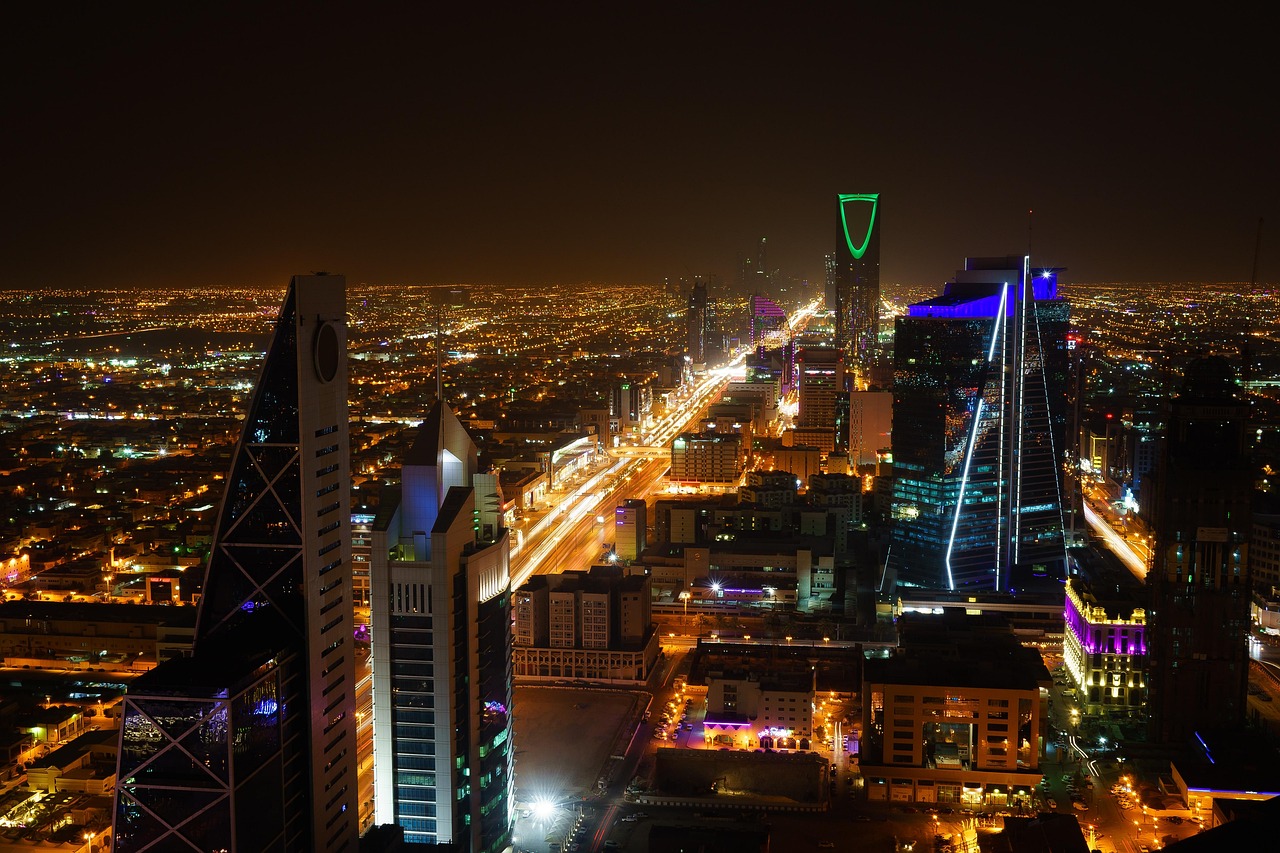
Where to go: Riyadh’s King Abdullah Financial District for conference venues; Jeddah and NEOM for special events; Qiddiya for theme-park-related hospitality.
Logistics, Ports, and Aviation
Investment in airports, ports, and freight corridors supports trade and tourism. Expansion at King Abdulaziz International (Jeddah), King Khalid International (Riyadh), and regional seaports drives jobs in logistics and supply chain.
Where to go: Jeddah for port and logistics operators, Riyadh for air cargo and regional distribution centers, the Eastern Province for petrochemical-linked logistics.
Fintech and Digital Services
Regulatory openness and rising digital adoption have fuelled fintech, e-commerce, cloud services, and cybersecurity growth. Riyadh hosts most startups and accelerators; Jeddah and Dammam have emerging scenes.
Traveler tip: Plan meetings near business districts and co-working spaces; carry a digital presentation and local SIM card for reliable connectivity.
Healthcare and Education
Healthcare facilities, medical tourism, private hospitals, and international partnerships are expanding. Education—particularly technical, vocational, and higher education—supports workforce needs for these sectors.
Where to go: Riyadh and Jeddah for hospitals and university collaborations; specialized medical clusters in major cities.
Practical comparisons and travel-focused advice
If you must choose one city for business meetings, Riyadh offers the broadest mix of corporate headquarters, government ministries, and conference venues. Jeddah is the best base for port, tourism, and Red Sea project visits. NEOM and the Red Sea are project sites—access often requires coordination with developers and longer intra-country travel.
What to pack and prepare for site visits
- Business attire suitable for conservative settings; a clear understanding of local business etiquette.
- Copies of project invitations or meeting confirmations—security at giga-projects can be strict.
- Travel insurance that covers remote-site transportation and medical evacuation when visiting construction or offshore sites.
Best Tips for Planning Your Trip
- Book flights to Riyadh (RUH) or Jeddah (JED) depending on your itinerary; check connectivity through major carriers and regional airlines like Riyadh Air.
- Schedule meetings mid-week—Sunday to Thursday is the Saudi working week—and avoid major religious holidays for business travel.
- Reserve hotels close to business districts or project offices to minimize transit time; many new hotels cater specifically to business travelers.
- Confirm access and security procedures with hosts before visiting NEOM or other giga-project sites; permits are often required.
- Use local business services (fixers, translators, or logistics companies) when coordinating multiple site visits across provinces.
Common mistakes to avoid
- Assuming all sites are open to drop-in visits—NEOM, Red Sea, and large construction areas require prior clearance.
- Underestimating travel time between cities—Saudi Arabia is geographically large and domestic travel can take hours.
- Not checking entry and visa requirements—rules and processes change, so verify with official government portals or your embassy.
Is it worth it? Who is this best for?
Yes—if you are an investor, supplier, talent scout, or business traveler focused on renewable energy, hospitality, logistics, fintech, or healthcare. The fastest-growing industries offer opportunities for partnerships, contracting, and career moves.
This is best for professionals who are comfortable navigating large-scale projects, working with government entities, and arranging on-site visits. Leisure travelers interested in emerging tourism destinations will also find value in the hospitality and cultural growth.
Industry hubs at a glance
| Industry | Top Cities / Sites | Why visit |
|---|---|---|
| Renewable Energy | NEOM, Red Sea, Dammam, Riyadh | Project sites, developer HQs, conferences |
| Tourism & Hospitality | Red Sea, AlUla, Jeddah, Riyadh | Resort visits, hotel signings, cultural sites |
| Logistics & Aviation | Jeddah, Riyadh, Eastern Province | Ports, airports, cargo hubs |
| Fintech & Digital | Riyadh, Jeddah | Startups, incubators, fintech conferences |
| Healthcare & Education | Riyadh, Jeddah | Hospital partnerships, academic collaborations |
Final logistics and safety notes
Carry government-issued ID and digital copies of travel documents. For meetings, confirm local business hours and cultural protocols. Safety in major cities is generally good, but always check travel advisories and arrange local transport via trusted providers or hotel concierge services. For site-specific rules and permits—especially for NEOM or Red Sea projects—contact the project operator or your host well before travel.
Conclusion
The Top Fast Growing Industries in Saudi Arabia 2026 present clear opportunities for business travelers and investors. Renewable energy, tourism and hospitality, entertainment, logistics, fintech, and healthcare are expanding fastest, concentrated around Riyadh, Jeddah, NEOM, and coastal projects. With careful planning—confirming access, aligning meetings to local schedules, and using local logistics support—you can make productive site visits and tap into the country’s accelerating diversification.
Frequently Asked Questions
Which city should I fly into to explore Saudi’s top industries?
Fly into Riyadh (King Khalid International) for corporate and fintech meetings, or Jeddah (King Abdulaziz International) for port, tourism, and Red Sea-related visits. Both airports serve as practical bases; choose depending on which industry cluster you plan to visit.
Do I need special permits to visit NEOM or Red Sea project sites?
Yes, project sites often require prior clearance from developers or operators. Always coordinate permits and logistics with your host organisation well in advance to avoid denied access at security checkpoints.
When is the best time to schedule business meetings in Saudi Arabia?
Schedule meetings between Sunday and Thursday during the local working week and avoid major religious holidays. Mid-week appointments are commonly preferred by local businesses and government offices.
Are there visas and travel restrictions I should check before booking?
Check current visa rules with official Saudi government portals or your embassy before booking travel. Visa policies and entry requirements can change, so confirm required documents and processing times early.
What are the safest ways to travel between cities for site visits?
Domestic flights connect Riyadh, Jeddah, and Dammam quickly; hire reputable ground transport for regional site access. For remote or construction sites, arrange transfers through your host company or authorised logistics providers.
How can I meet local partners or suppliers in Saudi Arabia?
Use industry conferences, trade shows, and local chambers of commerce to connect with partners; Riyadh hosts a large share of business events. Consider hiring a local fixer or consultant who understands business customs and can set up introductions.
Which industries offer short-term project work for international consultants?
Renewable energy, construction for giga-projects, and fintech often contract international consultants for specialized roles. Opportunities depend on project stage and procurement rules, so contact project offices and consultancy networks for leads.
Is it necessary to arrange travel insurance for industrial site visits?
Yes, travel insurance that covers remote-site activities and medical evacuation is strongly recommended. Construction zones and offshore work carry higher risks, and many project hosts require proof of coverage for visitors.