







Trump Iran deal at the center of GOP divide
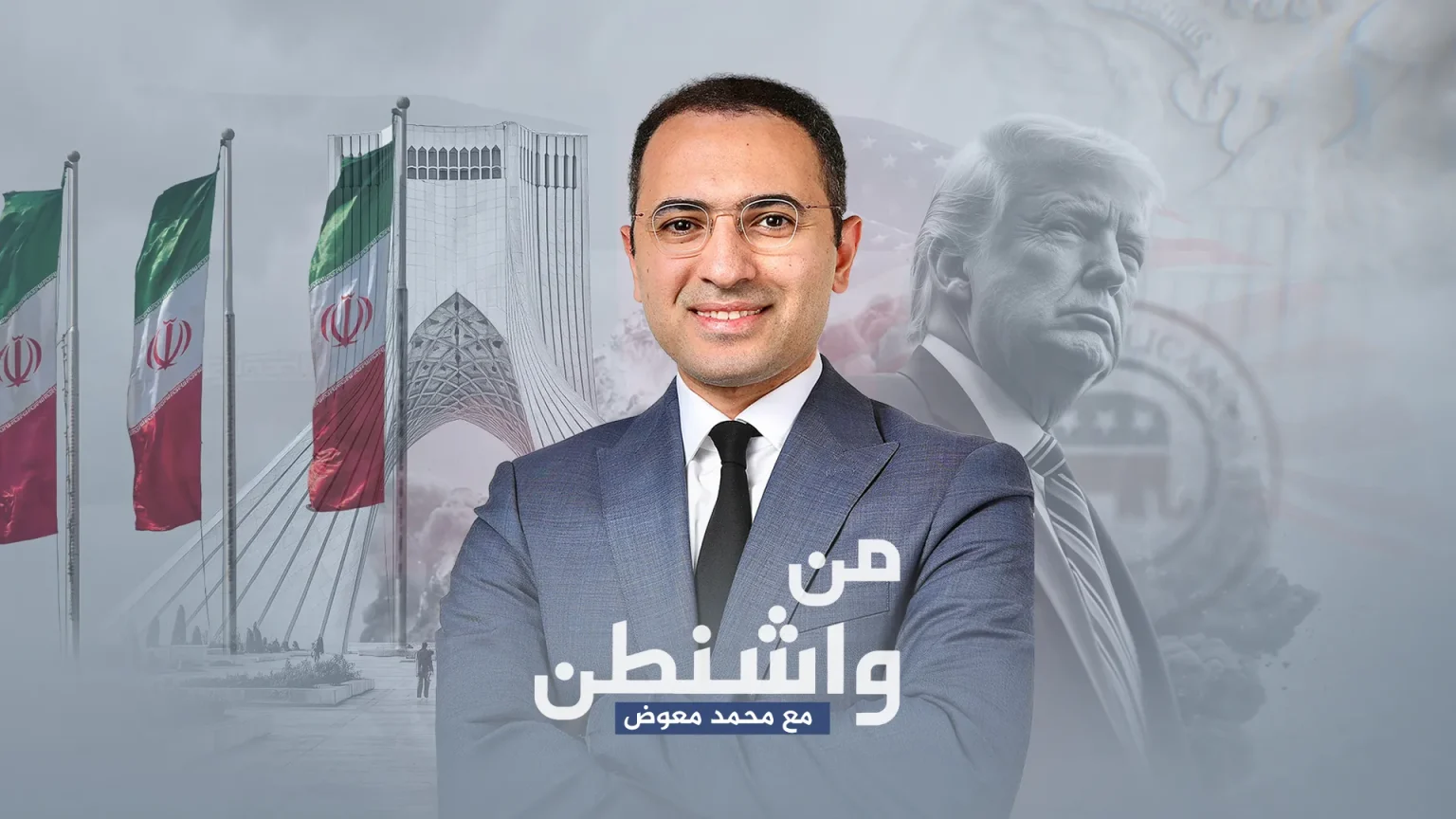
President Donald Trump faces a political test over a possible Trump Iran deal as his administration tips between diplomacy and military pressure. According to a May 28, 2026 episode of the program “From Washington,” talks with Tehran have advanced but remain fragile amid U.S. election calculations and internal party tensions. The negotiations are taking place while Republicans debate the costs of war versus concessions.
Who, what, when and where
The discussions involve senior U.S. negotiators and Iranian representatives in indirect and back-channel contacts, Washington sources say. The White House confirmed Mr. Trump signaled that a deal was near and then urged caution about rushing a signature. Meanwhile, Capitol Hill lawmakers and party activists reacted with sharply divided views that reflect a broader Republican split on foreign policy.
Domestic politics and the Republican split
Domestic politics are shaping the contours of any agreement. Furthermore, critics within the GOP who favor a tougher line on Tehran have pressured the administration, arguing that an imperfect deal could leave Iran’s nuclear capabilities intact. In contrast, other Republicans warn that a prolonged war ahead of November elections could be politically and economically costly, according to statements by party officials and analysts.
Therefore, the White House appears to be negotiating along two tracks: one track with Tehran and another with Republican constituencies and congressional leaders. Additionally, party unity is fragile because some influential members, particularly those aligned with pro-Israel hawks, may oppose terms they deem insufficient.
Negotiations with Iran: concessions and limits
Officials and former diplomats say the talks are likely to include reciprocal concessions: partial sanctions relief in return for verifiable limits on enrichment and clearer monitoring arrangements. According to a former State Department official, Victoria Taylor, the resilience of a ceasefire and the calibrated U.S. strikes suggest both sides see negotiation as preferable to open conflict.
However, negotiators face hard choices. If Tehran resists intrusive inspections or refuses to allow constraints on missile or regional proxy activities, Washington could withhold major economic relief. Conversely, a package that fails to curb key aspects of Iran’s program would intensify objections from hardliners and deepen the Republican split.
Why Israel and regional partners matter
Regional dynamics are complicating talks. Israeli leaders and some Arab states have publicly warned against any settlement they view as leaving Iran militarily or economically strong. In private, some Gulf states continue to coordinate with Washington but have made clear they will not automatically support a deal that does not address their security concerns, analysts say.
In contrast, the Trump administration sees leverage in existing regional shifts, including sustained ties under the Abraham Accords, which officials argue can help underwrite security arrangements without a full-scale confrontation. Nevertheless, Israeli objections remain a key political obstacle, especially among Republican hawks who regard Israel’s security demands as central.
Fear of the Afghanistan precedent and military risks
Another factor shaping U.S. policy is a fear of repeating the Afghan withdrawal scenario, which some Republicans cite as a cautionary lesson about long-term military entanglements and strategic missteps. Party leaders sympathetic to a hard line against Tehran nevertheless argue that protracted conflict would damage U.S. credibility and domestic standing.
Consequently, President Trump appears willing to prioritize negotiated outcomes to avoid a prolonged war while retaining the option of military action if talks collapse, according to commentary from both Republican insiders and former diplomats. This balancing act is fueling debate within the party and the broader national security establishment.
Implications for U.S. policy and global markets
Markets and allies are already reacting to the possibility of a deal. Oil prices and regional risk assessments have fluctuated on reports of progress or setbacks. Furthermore, a negotiated settlement could ease some global supply concerns and lower the premium on energy prices, while a breakdown would likely push prices and risk premiums higher.
For U.S. foreign policy, a deal would represent a shift toward containment through diplomacy rather than sustained high-intensity conflict. Yet, congressional passage of any implementing measures may be contested, and legal or legislative limitations could constrain the administration’s ability to deliver long-term relief to Tehran.
What to watch next
Observers should watch several near-term signals: the text scope circulated between negotiators, any public commitments by Tehran on inspections, Republican responses in key House and Senate committees, and statements from Israel and Gulf capitals. Additionally, the timing of any formal announcement will be crucial as Republicans weigh electoral consequences ahead of midterm contests.
Ultimately, the Trump Iran deal will hinge not only on the diplomatic language but on Mr. Trump’s ability to manage Republican opinion and congressional oversight. If talks continue, expect incremental disclosures and phased measures rather than an immediate, sweeping agreement.
Conclusion and forward look
In sum, a possible Trump Iran deal is closer than at many earlier points, yet remains conditioned by internal GOP divisions, regional objections and verification mechanics. Policymakers say the next steps are likely to involve intensive legal and political coordination in Washington and carefully sequenced concessions in Vienna or other negotiation venues. Readers should watch for translating texts and congressional reactions in the coming weeks as the administration seeks a path that reconciles diplomacy with domestic political realities.