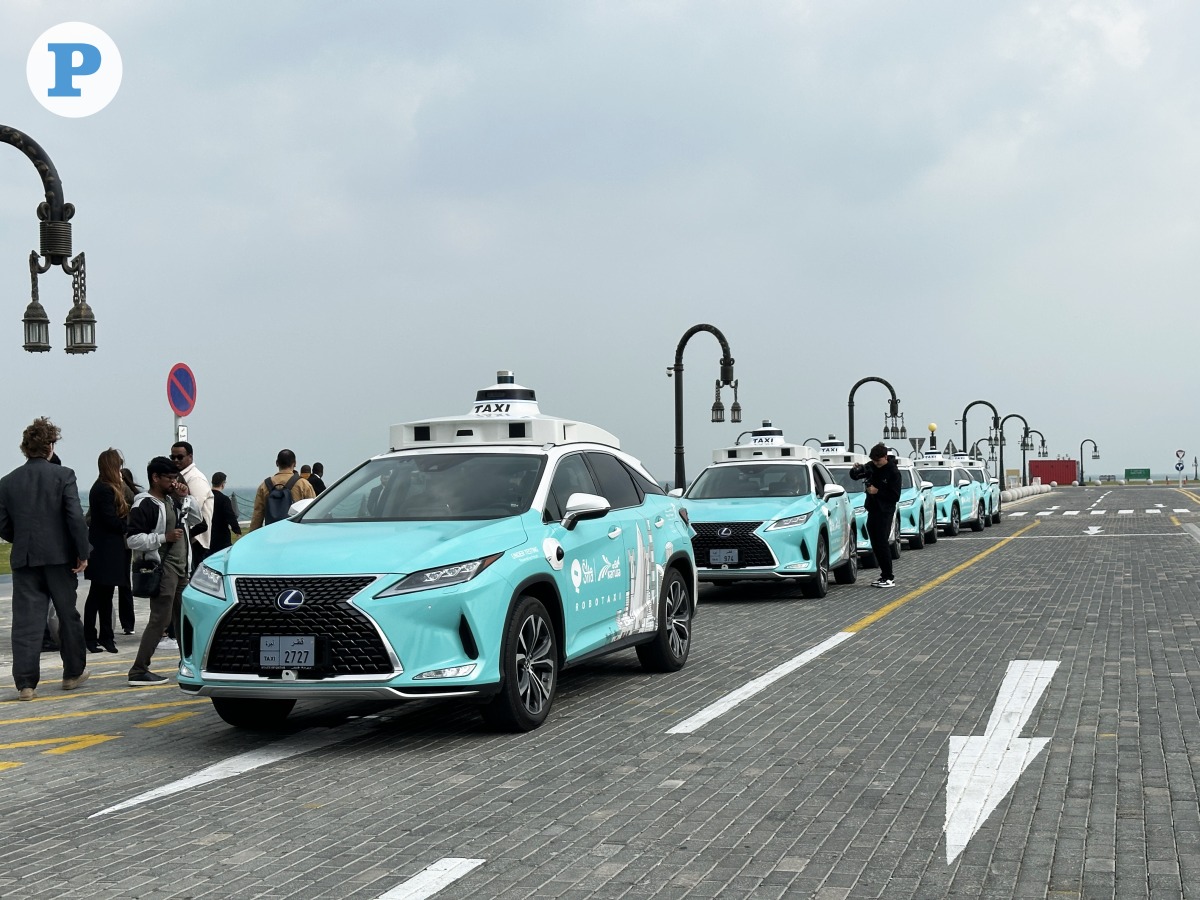

Doha, Qatar – Mowasalat (Karwa) has launched a public trial of its robotaxi service in select areas of Doha, offering a glimpse into the future of transportation in the country. The initial trial, which began on Monday, January 26, 2026, at Old Doha Port, allows passengers to experience fully autonomous rides through the Karwa mobile application. This marks a significant step in Qatar’s adoption of smart city technologies and its commitment to innovative transportation solutions.
The rollout of the robotaxi service is currently limited to West Bay, Central Doha, and the Hamad International Airport (HIA) area, operating daily from 6 am to 4 am. Mowasalat intends to expand the service area as the trial progresses and more Points of Interest (POIs) are integrated into the system. The company emphasizes a user-friendly booking process designed for seamless access to this new mode of transport.
How to Book and Ride a Karwa Robotaxi
Booking a robotaxi through the Karwa app is intentionally streamlined. Passengers first select the “Taxi” category within the application. Crucially, the option to request a robotaxi will only appear when one is available and the passenger has chosen card payment as their method.
If a robotaxi is available, users will be prompted with a “Yes” option to confirm their preference. Once inside the vehicle, passengers are instructed to fasten their seatbelts and familiarize themselves with the safety guidelines displayed on a tablet within the cabin. The ride begins after entering a One-Time Password (OTP) provided through the app and tapping “Start Ride” on the tablet.
Important Considerations for Passengers
Several limitations and guidelines are in place for the initial trial phase. Passengers are restricted to a maximum of two per ride and are not permitted to sit in the front seat. Access to the rear trunk is also prohibited. To ensure safety, passengers are advised against touching the steering wheel or any other vehicle controls during the journey.
Furthermore, the service does not currently support round-trips or modifications to the drop-off location after booking. The transport of dangerous or prohibited items is strictly forbidden, aligning with standard taxi regulations. Robotaxis adhere to posted speed limits, with a maximum operational speed of 80 kilometers per hour, monitored by a safety officer onboard.
Safety and Assistance Features
Mowasalat has prioritized passenger safety with several integrated features. The robotaxi will only unlock the doors when it determines the surrounding environment is safe. In the event of an accident, a remote operator, connected via an in-cabin camera, will assess the situation, alert emergency services, and dispatch support if needed.
A dedicated “Pull Over” option on the tablet allows passengers to request the vehicle to stop at the nearest safe location. Additionally, a remote assistance call button provides immediate connection to a remote operator who can address any concerns or provide guidance. Payment is currently limited to card or digital wallet transactions.
The introduction of autonomous vehicles like the Karwa robotaxi aligns with Qatar’s National Vision 2030, which emphasizes sustainable development and technological innovation. This trial is also part of a broader trend of smart mobility solutions being explored in the region, including electric buses and intelligent traffic management systems. Related advancements in artificial intelligence and sensor technology are driving these changes.
Looking ahead, Mowasalat plans to continuously evaluate the performance of the robotaxi service and gather passenger feedback. The expansion of supported POIs and zones is a key priority, with the aim of increasing accessibility and convenience. The long-term success of the program will depend on public acceptance, regulatory approvals, and the ongoing development of robust safety protocols. The company will likely announce further expansion plans and data from the trial in the coming months.