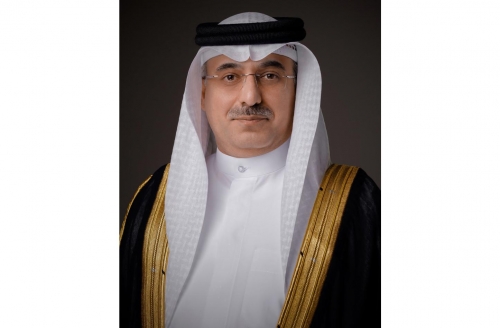

Bahrain is rapidly establishing itself as a key player in the burgeoning space technology sector, and recent participation in an international symposium underscores this commitment. Dr. Mohammed Ibrahim Al-Asiri, CEO of the Bahrain Space Agency, recently joined global experts to discuss the transformative potential of geospatial data. The event, hosted by the US Geospatial Information Users Association and Wolbert, focused on converting satellite and LiDAR data into practical solutions for a variety of critical industries.
The Power of Geospatial Data for National Development
The symposium highlighted how advancements in collecting and analyzing geospatial data are revolutionizing decision-making processes. Traditionally, urban planning, infrastructure development, and environmental monitoring relied on often outdated or incomplete information. Now, with access to high-resolution satellite imagery and LiDAR (Light Detection and Ranging) data, authorities can gain a far more accurate and dynamic understanding of their territories.
This isn’t simply about better maps. It’s about creating “smart products” – actionable insights derived from complex datasets. These insights can inform everything from optimizing traffic flow and identifying areas prone to flooding, to monitoring deforestation and assessing the impact of climate change.
Transforming Data into Actionable Intelligence
Dr. Al-Asiri emphasized the crucial role of these technologies in translating raw space data into strategic advantages for Bahrain. He articulated a vision where data-driven insights become integral to national development plans, fostering sustainable growth and improving the quality of life for citizens. This includes leveraging remote sensing technologies for more efficient resource management.
He specifically pointed to the potential for improved urban planning, allowing for the creation of more livable and sustainable cities. Infrastructure projects can be better planned and executed, minimizing disruption and maximizing efficiency. Furthermore, enhanced environmental monitoring capabilities will be vital for protecting Bahrain’s unique ecosystem.
Bahrain’s Commitment to a Regional Geospatial Hub
Bahrain isn’t simply adopting these technologies; it’s actively positioning itself as a regional leader in space and geodata innovation. Dr. Al-Asiri underscored the Kingdom’s dedication to fostering advanced geospatial applications and building strong international partnerships.
This commitment is evidenced by the Bahrain Space Agency’s ongoing initiatives to develop local expertise in data science, satellite technology, and related fields. Additionally, the agency is actively seeking collaborations with international organizations and private companies to accelerate the adoption of cutting-edge technologies.
Fostering International Collaboration
The symposium itself was a testament to the importance of international collaboration. Bringing together experts from around the globe allowed for the sharing of best practices, the identification of emerging trends, and the forging of new partnerships.
Meanwhile, Bahrain’s proactive engagement in these forums demonstrates its commitment to staying at the forefront of the space technology revolution. This collaborative approach is essential for maximizing the benefits of Earth observation data and ensuring that these technologies are used responsibly and effectively.
The Future of Geospatial Technology in Bahrain
The discussions at the symposium painted a clear picture of the future: a world where geospatial data is seamlessly integrated into all aspects of decision-making. For Bahrain, this means a more efficient, sustainable, and resilient future.
The Kingdom’s strategic location, coupled with its forward-thinking leadership and commitment to innovation, positions it perfectly to capitalize on the opportunities presented by this rapidly evolving field. Investing in infrastructure, talent development, and international partnerships will be key to realizing this vision.
In conclusion, Dr. Al-Asiri’s participation in this international symposium signals Bahrain’s serious intent to become a regional hub for space and geodata innovation. By embracing the power of geospatial technologies, Bahrain is paving the way for a brighter, more sustainable future. To learn more about the Bahrain Space Agency’s initiatives, visit their official website and explore the exciting developments shaping the future of space technology in the Kingdom.