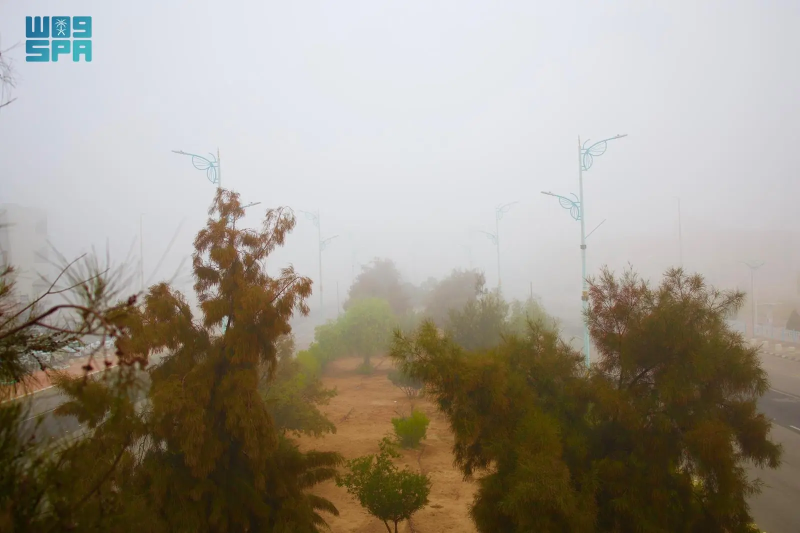

Turaif, Saudi Arabia experienced the nation’s coldest temperature on Wednesday, plummeting to -3°C (26.6°F), as a significant cold wave continues to grip the Northern Borders Region. The National Center for Meteorology (NCM) reported the freezing conditions, with widespread frost observed across the governorate. Residents are bracing for continued cold weather, with potential for similar or even lower temperatures in the coming days.
The extreme cold is impacting daily life in Turaif and surrounding areas, including Arar, where temperatures are forecast to reach around -3°C. The NCM issued prior warnings about the approaching cold air mass, advising the public to prepare for hazardous conditions. This event highlights the increasing variability in weather patterns across the Kingdom, even in regions not traditionally known for sub-zero temperatures.
Understanding the Current Cold Wave in Turaif
The current cold snap is attributed to a strong, cold air mass originating from northern regions and moving southward across the Arabian Peninsula. This system is bringing unusually low temperatures to areas of Saudi Arabia, particularly those with higher elevations and open landscapes. The NCM indicates that this is a relatively common, though increasingly noticeable, winter phenomenon.
Regional Temperature Drops
While Turaif recorded the lowest temperature, other locations within the Northern Borders Region are also experiencing substantial cooling. Frost and ice formation were reported in open areas throughout the region during the overnight and early morning hours. This poses challenges for agriculture and infrastructure, potentially impacting transportation and crop yields.
The impact of the cold extends beyond just temperature readings. The combination of freezing temperatures and potential moisture creates conditions for black ice, a particularly dangerous hazard on roads and walkways. Local authorities are actively monitoring conditions and deploying resources to address any related issues.
Historically, the Northern Borders Region has experienced cold winters, but the intensity of this particular cold spell has drawn attention. The region’s proximity to both Iraq and Jordan contributes to its susceptibility to cold air incursions from these neighboring countries. However, climate experts are studying whether broader climate change patterns are contributing to more frequent or severe cold events in the area.
The NCM’s warnings emphasized the importance of taking precautions against the cold. These include dressing in layers, minimizing outdoor exposure, and ensuring adequate heating in homes and vehicles. The Ministry of Health has also issued guidance on recognizing and treating hypothermia and frostbite, particularly among vulnerable populations like the elderly and young children.
The agricultural sector is also taking steps to mitigate potential damage. Farmers are employing techniques such as covering crops with protective materials and irrigating fields to create a layer of ice that can insulate plants. The effectiveness of these measures will depend on the duration and severity of the cold wave. The impact on date palm farms, a significant part of the regional economy, is a particular concern.
In contrast to the frigid temperatures in the north, much of the rest of Saudi Arabia is experiencing relatively mild winter weather. Coastal regions, such as Jeddah and Dammam, are maintaining temperatures well above freezing. This stark difference in conditions across the country underscores the diverse climate zones within the Kingdom.
The current weather situation in Turaif is being closely monitored by various government agencies. The Civil Defense Directorate is on alert to respond to any emergencies related to the cold, such as traffic accidents or power outages. Additionally, the Ministry of Environment, Water and Agriculture is assessing the potential impact on livestock and agricultural production.
Looking ahead, the NCM forecasts that the cold air mass will persist over the Northern Borders Region for at least the next 24-48 hours. While a gradual warming trend is expected after that, temperatures are likely to remain below average for the foreseeable future. The precise timing and extent of the warming remain uncertain, and residents are advised to stay updated on the latest weather forecasts. Further monitoring of the National Center for Meteorology website is recommended for the most current information on this Turaif cold snap and other regional weather events.
The situation also highlights the importance of infrastructure preparedness for extreme weather events. Investments in cold-resistant materials and improved drainage systems can help minimize the impact of future cold spells. The long-term implications of these increasingly variable weather patterns on Saudi Arabia’s infrastructure and economy will require ongoing assessment and adaptation. The Saudi Gazette also provides updates on the weather situation.