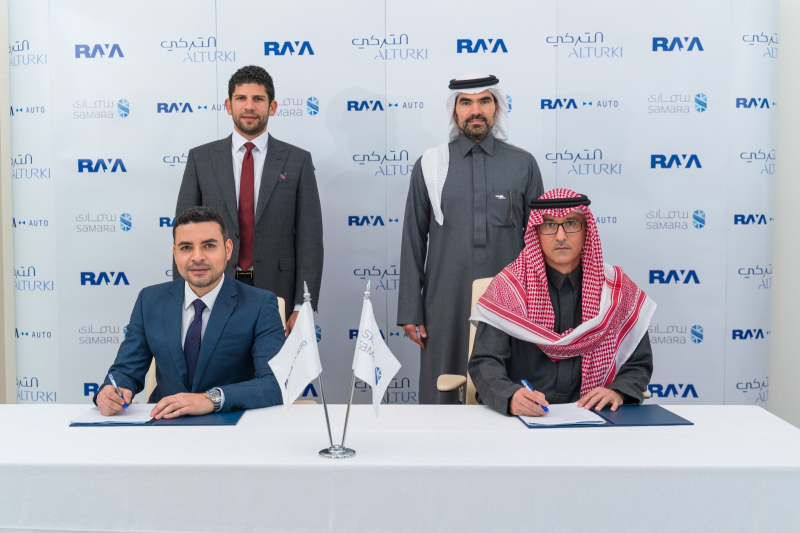

Samara Land Transportation Services Co., a subsidiary of Alturki Holding, and Raya Holding have announced a joint venture to establish an electric golf cart assembly facility in Saudi Arabia. The partnership, revealed on Sunday, aims to address the growing demand for sustainable transportation solutions within the Kingdom’s rapidly expanding hospitality, tourism, and construction sectors. Production is projected to exceed 3,000 units over the next two years, supporting Saudi Arabia’s Vision 2030 goals.
The new facility will be located in Saudi Arabia and will leverage Samara’s established presence in the local transportation market alongside Raya Auto’s manufacturing expertise. This collaboration signifies a commitment to localized production and the development of a skilled workforce capable of supporting the growing electric vehicle (EV) ecosystem. The venture will also focus on providing comprehensive after-sales support for the assembled carts.
Boosting Sustainable Mobility with Electric Golf Cart Assembly
The decision to establish a local assembly plant for electric golf carts aligns with Saudi Arabia’s broader push for economic diversification and sustainable development. The Kingdom is actively investing in tourism and infrastructure projects, creating a substantial need for efficient and environmentally friendly transportation options. This joint venture directly responds to that demand.
According to statements from both companies, the partnership represents a significant step in regional expansion and technology transfer. Raya Holding, through its mobility arm Raya Auto, brings a proven track record in Egypt’s electric mobility sector, including experience with e-buses and EV cars. They intend to replicate their integrated solutions model in Saudi Arabia.
Addressing Market Needs
The demand for electric golf carts is being driven by several factors, including the growth of golf resorts, large-scale hospitality projects, and the need for quiet, zero-emission transportation within urban and construction environments. Traditional gasoline-powered carts contribute to air and noise pollution, making electric alternatives increasingly attractive.
Bader AlShathry, Chairman of Samara, emphasized the focus on a “Saudi-assembled” standard coupled with superior after-sales service. This commitment to quality and customer experience is intended to differentiate the joint venture’s offerings in the market.
Ahmed Khalil, Group CEO of Raya Holding, highlighted the strategic importance of the partnership, noting it is the fourth Raya portfolio company to operate within the Kingdom. He also stated the venture supports Saudi Vision 2030’s objectives for industrial localization and sustainable economic growth.
Economic Impact and Job Creation
The project is expected to generate employment opportunities in the assembly, maintenance, and support of electric golf carts. Furthermore, the localization of assembly operations will reduce reliance on imports and contribute to the development of a domestic supply chain. This aligns with the Kingdom’s efforts to foster a more resilient and self-sufficient economy.
Mohamed El-Naggar, CEO of Raya Auto, indicated the company will leverage its existing expertise in electric mobility to establish new benchmarks for sustainable transportation in Saudi Arabia. This includes a full-service approach encompassing manufacturing, distribution, and after-sales support. The initiative also supports the development of smart city infrastructure.
Juan Carlos Azcona, CEO of Samara, described the joint venture as a pivotal step in shaping the future of mobility within Saudi Arabia, emphasizing a commitment to eco-friendly transportation solutions. The project is part of a larger trend toward increased adoption of electric vehicles and sustainable practices across various sectors.
Looking ahead, the success of this venture will likely depend on factors such as the availability of skilled labor, the development of a robust charging infrastructure, and ongoing government support for electric mobility initiatives. The companies have not yet announced a specific timeline for the commencement of production beyond the two-year target, and further details regarding the facility’s location and capacity are expected in the coming months. Monitoring the progress of infrastructure development and regulatory changes will be crucial to assessing the long-term viability of this project.