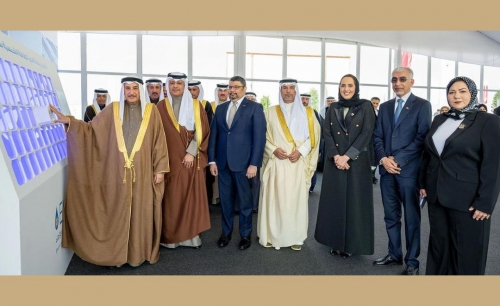

Bahrain is accelerating its transition to a greener future with the official launch of the Al Dur Solar Power Plant, a landmark project poised to significantly boost the nation’s renewable energy capacity. The foundation stone for this ambitious undertaking was laid yesterday, marking a pivotal moment in the Kingdom’s commitment to sustainable development. This new facility represents a major step towards achieving Bahrain’s national goals for clean energy and reducing its carbon footprint.
Al Dur Solar Power Plant: A New Era for Bahrain’s Energy Sector
The Al Dur Solar Power Plant, spearheaded by the Electricity and Water Authority (EWA), is set to become a cornerstone of Bahrain’s energy infrastructure. Upon completion in the third quarter of next year, the plant will boast an impressive capacity of approximately 100 megawatts. This will be achieved through the deployment of 135,000 high-efficiency solar panels, harnessing the power of the sun to generate clean electricity.
This project isn’t just about increasing power generation; it’s about diversifying Bahrain’s energy sources and building a more resilient and sustainable energy future. The plant’s direct connection to the national electricity grid underscores Bahrain’s focus on centralized renewable energy projects capable of delivering substantial power to the system.
Project Significance and National Vision
The launch of the Al Dur plant was presided over by Shaikh Khalid bin Abdullah Al Khalifa, Deputy Prime Minister, highlighting the project’s importance at the highest levels of government. Shaikh Khalid emphasized that the initiative directly reflects the forward-thinking development vision of His Majesty King Hamad bin Isa Al Khalifa and the directives of His Royal Highness Prince Salman bin Hamad Al Khalifa, the Crown Prince and Prime Minister.
He described Al Dur as a “milestone” in Bahrain’s energy sector, noting its dual benefit of providing new renewable generation capacity and actively supporting the national target of achieving a 20% share of renewable energy in the country’s energy mix by 2035. This target is a key component of the National Renewable Energy Plan, demonstrating Bahrain’s dedication to environmental stewardship.
Boosting Renewable Energy Targets & Private Sector Collaboration
Bahrain’s commitment to renewable energy extends beyond large-scale projects like Al Dur. The Kingdom is also actively encouraging private sector participation in distributed solar energy initiatives. Shaikh Khalid specifically praised the collaborative efforts between government entities and private companies in driving Bahrain’s renewable energy ambitions forward.
This blended approach – combining centralized generation with distributed solutions – is crucial for maximizing the impact of renewable energy across the nation. The success of these initiatives relies on fostering a supportive regulatory environment and incentivizing investment in solar energy solutions.
The Role of EWA and Key Stakeholders
The successful launch of the Al Dur Solar Power Plant is a testament to the dedication and hard work of numerous individuals and organizations. Shaikh Khalid extended his gratitude to Kamal bin Ahmed Mohammed, President of EWA, and all EWA personnel for their instrumental role in bringing the project to fruition. He also acknowledged the contributions of other stakeholders, recognizing that collaborative effort was essential to overcoming challenges and achieving this significant milestone.
Furthermore, EWA is actively exploring other avenues for clean energy development, including wind power and waste-to-energy technologies, to further diversify the Kingdom’s energy portfolio. This holistic approach ensures a more sustainable and secure energy future for Bahrain.
Looking Ahead: Bahrain’s Sustainable Energy Future
The Al Dur Solar Power Plant represents a significant investment in Bahrain’s future. It’s a concrete demonstration of the Kingdom’s commitment to reducing its reliance on fossil fuels and embracing a cleaner, more sustainable energy landscape. The project will not only contribute to environmental goals but also stimulate economic growth and create new opportunities within the renewable energy sector.
As Bahrain continues to implement its National Renewable Energy Plan, we can expect to see further advancements in clean energy technologies and increased private sector involvement. The Al Dur plant serves as a powerful example of what can be achieved through vision, collaboration, and a steadfast commitment to a sustainable future. The successful completion and operation of this plant will undoubtedly pave the way for even more ambitious renewable energy projects in the years to come, solidifying Bahrain’s position as a leader in sustainable development within the region.