
The provision of essential services like sanitation is a cornerstone of modern living, and residents of Jid Ali, Bahrain are set to benefit from significant improvements. A new sewer network project is nearing completion in Block 721, promising to connect hundreds of properties to a vital infrastructure system. This development, confirmed by the Ministry of Works in response to parliamentary inquiry, highlights Bahrain’s ongoing commitment to upgrading its infrastructure and improving the quality of life for its citizens.
Jid Ali Sewer Network Project: Progress and Timeline
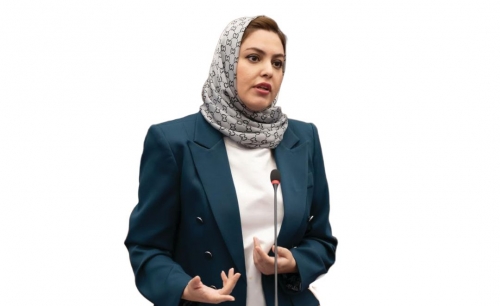
The Ministry of Works has assured MP Zainab Abdu-lAmeer that the detailed designs for the comprehensive sewer network project serving Block 721 are finalized and all necessary permits are in place. This is welcome news for the approximately 274 properties slated to be connected, as it removes potential roadblocks to the project’s advancement. Currently, around 90% of properties within Block 721 are already benefiting from the new system, demonstrating substantial progress.
Completion in Sight
While a significant portion is already connected, the remaining 10% requires focused attention. The Ministry has outlined a plan to complete these final connections in a single phase. Importantly, the project is expected to be put out to public tender in 2026, allowing qualified contractors to bid for the work and ensuring a competitive process. This timeline provides a clear expectation for residents and stakeholders.
Expanding Infrastructure Across Bahrain
This project in Jid Ali isn’t an isolated incident. The Ministry of Works emphasized that substantial investments in wastewater management and broader infrastructure are being made throughout Bahrain, particularly within the Capital Governorate. The Seventh Constituency, which includes Jid Ali, has seen considerable coverage by new sewer networks in recent years.
This wider initiative demonstrates a proactive approach to addressing the needs of a growing population and evolving urban landscape. The Ministry understands that reliable infrastructure is crucial for sustainable development and economic growth.
Prioritizing Infrastructure Development
The Ministry’s approach to infrastructure projects is strategic and data-driven. They prioritize initiatives based on several key factors, including the level of urban development in a given area, the technical feasibility of the project, the importance of the service being provided, and, crucially, the approved budget.
This careful consideration ensures that resources are allocated effectively and that projects deliver the maximum benefit to the community. Furthermore, the Ministry maintains ongoing coordination with the Capital Municipal Council and the three other municipal councils to ensure alignment with local needs and priorities. This collaborative approach is vital for successful implementation.
Beyond Sewer Networks: A Holistic Approach to Infrastructure
The Ministry’s commitment extends beyond simply building sewage systems. Their wider work program encompasses a range of essential infrastructure services. This includes the construction of new sewer networks, as seen in Jid Ali, but also extends to improving road networks through paving unpaved roads and maintaining existing ones.
This holistic approach recognizes the interconnectedness of various infrastructure elements and aims to create a comprehensive and resilient system that supports Bahrain’s long-term development goals. Investing in road infrastructure, for example, complements the benefits of a new sewer system by improving accessibility for maintenance and emergency services.
The Importance of Municipal Collaboration
The success of these projects hinges on strong collaboration between the Ministry of Works and the municipal councils. Regular communication and joint planning sessions allow for a better understanding of local challenges and opportunities. This partnership ensures that infrastructure projects are not only technically sound but also responsive to the specific needs of the communities they serve. This collaborative spirit is a key component of Bahrain’s infrastructure strategy.
Looking Ahead: Continued Investment in Bahrain’s Future
The completion of the Jid Ali sewer network project represents a significant step forward in improving sanitation and public health for residents. The Ministry of Works’ broader commitment to infrastructure development, including ongoing investments in sanitation services and road networks, demonstrates a clear vision for a modern and sustainable Bahrain.
The planned public tender in 2026 for the final phase of the Jid Ali project will be a crucial milestone. Residents are encouraged to stay informed about the project’s progress through official Ministry channels and local municipal council updates. Continued investment and collaborative planning will undoubtedly pave the way for a brighter and more prosperous future for all of Bahrain.