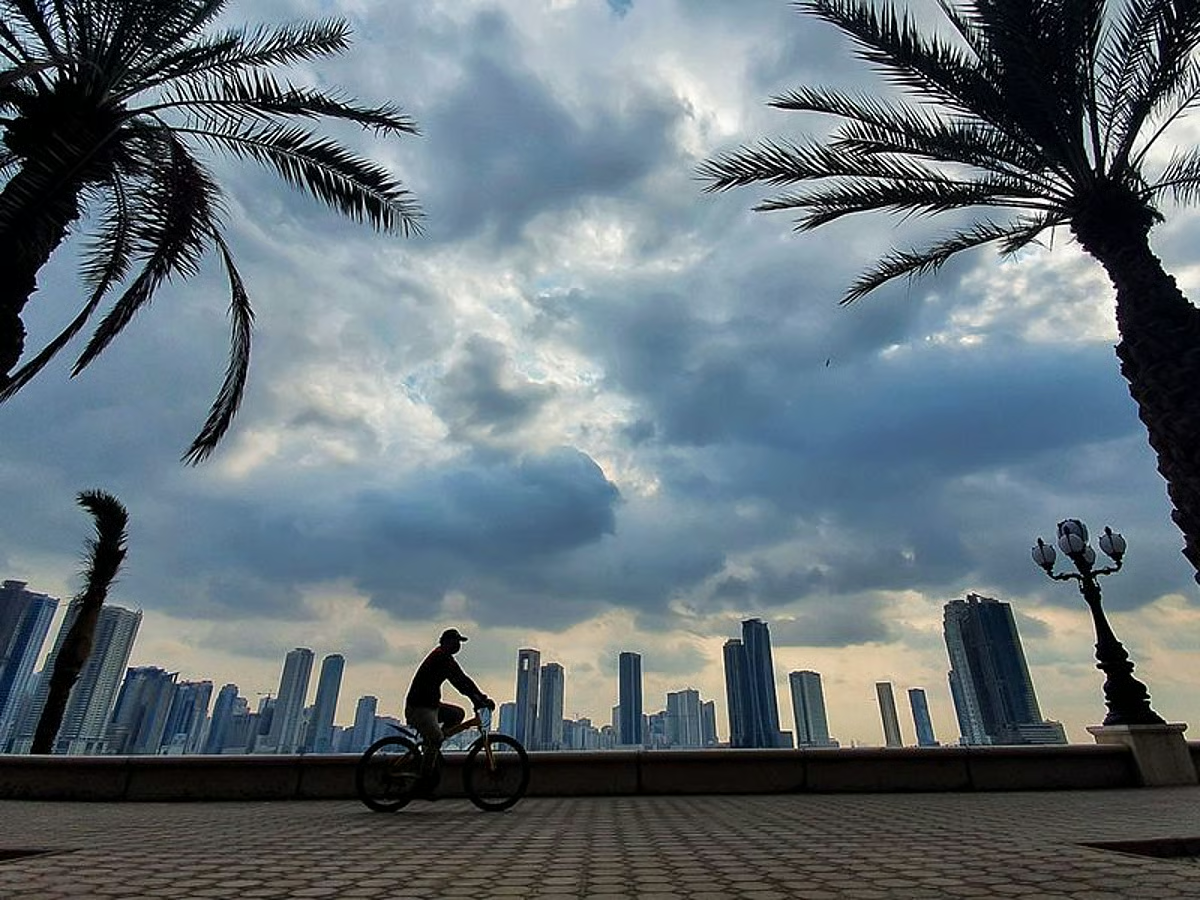

The United Arab Emirates is preparing for a period of unsettled weather, with forecasts predicting rain and dusty winds across various regions starting today, November 23rd, 2023. The National Center of Meteorology (NCM) has issued alerts for potential disruptions to daily life, including reduced visibility and hazardous conditions for outdoor activities. Residents are advised to take necessary precautions as the weather system moves through the country.
The affected areas initially include the western regions of Abu Dhabi and extending inland, with the possibility of the conditions spreading to other emirates including Dubai and Sharjah later in the week. The NCM anticipates that the combination of wind and moisture will create challenging driving conditions and potentially impact air and sea travel. Authorities are closely monitoring the situation and coordinating response efforts.
Understanding the Current Weather Pattern and Forecast for Rain and Dusty Winds
The current weather system is a result of a convergence of air masses, according to meteorological analyses. A low-pressure system extending from the Red Sea is interacting with a northwesterly wind flow, bringing with it increased cloud cover and the potential for precipitation. This interaction is also lifting significant amounts of dust and sand from the Arabian Peninsula.
Regional Variations in Expected Impact
The intensity and specific impacts of the weather will vary across the UAE. Western areas, particularly Al Dhafra in Abu Dhabi, are expected to experience the strongest winds and heaviest rainfall initially. Coastal regions will likely see increased humidity and reduced visibility due to sea spray and dust.
The eastern and southern mountainous areas may also experience rainfall, potentially leading to wadi flows. The NCM has cautioned against venturing into these areas during and immediately after rainfall due to the risk of flash floods. These weather disturbances are not uncommon during the transition between seasons in the UAE.
The NCM’s forecasts indicate that the peak of the weather system is expected between November 23rd and November 25th. However, the exact timing and intensity remain subject to change as the system evolves. Residents are encouraged to stay updated with the latest weather reports from official sources.
The impact on daily life is a primary concern for authorities. Reduced visibility due to dust and rain poses a significant risk to drivers, and the NCM has issued warnings to exercise caution on the roads. Drivers are advised to slow down, increase following distances, and avoid unnecessary travel during periods of heavy rainfall or dust storms. Road safety is paramount during these conditions.
Additionally, the strong winds could disrupt outdoor activities, including construction work and marine operations. The Ministry of Interior has urged companies to take appropriate measures to secure loose objects and ensure the safety of their workers. Marine traffic may also be affected, with potential delays or cancellations of ferry services.
In contrast to the typical dry climate of the UAE, these conditions are a reminder of the country’s diverse weather patterns. While the UAE is known for its sunshine and high temperatures, it also experiences periods of rainfall, particularly during the winter months. The current system is more significant than recent showers, however, due to the accompanying strong winds and widespread dust.
The potential for disruption to air travel is also being monitored closely. Airports across the UAE have contingency plans in place to deal with adverse weather conditions, including increased staffing and the availability of alternative routes. Passengers are advised to check with their airlines for the latest flight information. The impact on flight schedules will depend on the severity of the weather and the specific airport.
The Ministry of Climate Change and Environment is coordinating with local authorities to ensure a comprehensive response to the weather event. This includes monitoring air quality, providing support to affected communities, and disseminating information to the public. The focus is on minimizing the impact of the weather on public health and safety.
The UAE has invested heavily in weather monitoring and forecasting technology in recent years. This has enabled the NCM to provide more accurate and timely warnings to the public, helping to mitigate the risks associated with adverse weather events. The use of advanced radar systems and satellite imagery plays a crucial role in tracking the movement of weather systems.
Looking ahead, the NCM expects the weather to gradually improve by November 26th. However, the possibility of residual dust and occasional showers cannot be ruled out. The long-term forecast suggests a return to more stable weather conditions in the following days. Continued monitoring of the situation is essential, and residents should remain vigilant and prepared for potential changes. The overall atmospheric conditions will be key to determining the duration of the unsettled weather.
The next update from the NCM is scheduled for November 24th, 2023, and will provide a more detailed assessment of the weather system’s trajectory and intensity. Authorities will continue to assess the situation and adjust their response plans as needed. The public is encouraged to rely on official sources for the most accurate and up-to-date information.