
Published on
• Updated
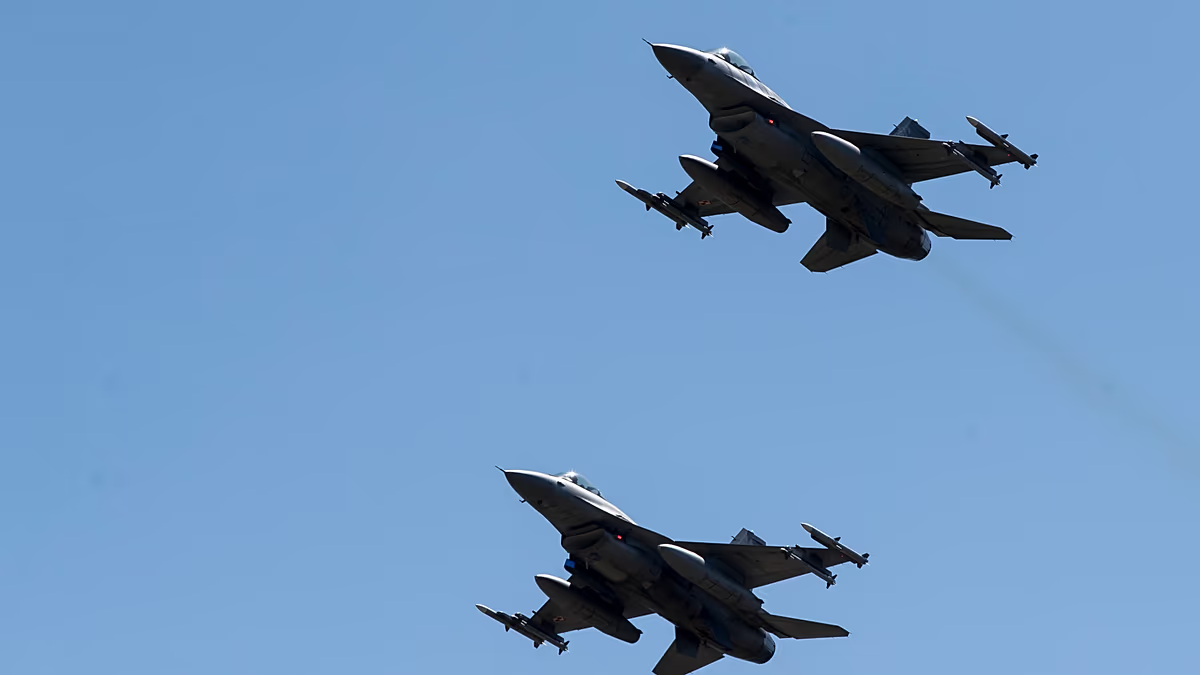
Poland activated its air defense systems and scrambled fighter jets early Saturday in response to a large-scale Russian aerial attack on Ukraine. The Polish Armed Forces Operational Command reported the preventative measures were taken to safeguard Polish airspace amid the ongoing conflict. This airspace security event led to temporary closures of airports in Rzeszów and Lublin, though air traffic has since resumed.
The activation occurred overnight as Russian forces conducted extensive strikes across Ukrainian territory, triggering widespread air raid alerts. Polish authorities stated the response was a direct result of the activity of Russian long-range aviation. According to the Operational Command, the situation did not result in any breaches of Polish airspace.
Understanding the Recent Airspace Security Alert in Poland
The incident highlights the heightened tensions in Eastern Europe and the potential for spillover effects from the war in Ukraine. Russia has repeatedly launched missile and drone attacks against Ukraine, and neighboring countries like Poland and Slovakia have been on alert for possible unintended consequences. This latest event underscores the importance of robust air defense capabilities in the region.
The Polish response involved not only national assets but also collaboration with NATO allies. US and Spanish aircraft, alongside Dutch air defense systems, participated in the operation, demonstrating a unified front in deterring escalation. This coordinated effort is a key component of NATO’s enhanced air policing measures in the region.
Temporary Airport Closures and Resumption of Traffic
Airports in Rzeszów and Lublin were temporarily closed as a precautionary measure to ensure passenger and operational safety. These airports are located relatively close to the Ukrainian border, making them potentially vulnerable in a rapidly evolving security situation. The Polish Air Navigation Services Agency (PANSA) confirmed that air traffic was restored at both locations after approximately four hours.
The swift resumption of air traffic indicates that Polish authorities assessed the threat as minimal and were able to effectively manage the situation. However, the temporary disruption caused delays and inconvenience for travelers, illustrating the real-world impact of the conflict. Passengers are advised to check with their airlines for any potential schedule changes.
Broader Context of Regional Security
This event follows a pattern of increased military activity in the region, particularly since the escalation of the war in Ukraine in February 2022. Poland has consistently voiced concerns about the potential for accidental or intentional incursions into its airspace. The country shares a roughly 535-kilometer (332-mile) border with Ukraine and has been a major hub for humanitarian and military aid flowing into the country.
In November 2023, a Russian missile briefly entered Polish airspace, prompting a similar response from Warsaw. NATO has significantly bolstered its presence in Eastern Europe, deploying additional troops and air defense assets to reassure member states and deter further aggression. The alliance continues to monitor the situation closely.
The Polish Ministry of Defence stated that the activated aircraft were operating under the command of the Operational Command, and their actions were fully coordinated with allied forces. The ministry emphasized that the priority was to protect Polish citizens and infrastructure. The incident serves as a reminder of the complex security challenges facing the region.
Looking ahead, continued vigilance and close coordination between Poland and its NATO allies will be crucial. The potential for further Russian attacks on Ukraine remains high, and the risk of unintended consequences for neighboring countries cannot be discounted. Monitoring developments in the airspace security situation and staying informed about travel advisories is recommended for those in the region. Further analysis of the effectiveness of current air defense protocols will likely follow this event, potentially leading to adjustments in future responses. The ongoing conflict necessitates a sustained focus on regional military preparedness.
Stay updated on the latest developments in Eastern European security by following reputable news sources and official government statements.