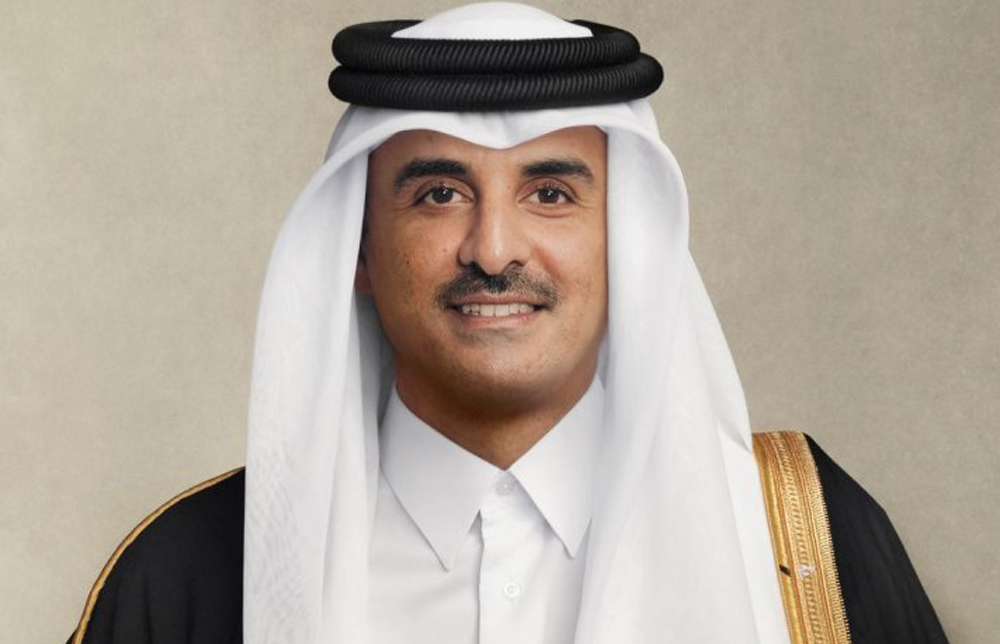

Doha, Qatar – In a display of diplomatic support, the Amir of Qatar, HH Sheikh Tamim bin Hamad Al Thani, received a phone call from the President of Somalia, HE Dr. Hassan Sheikh Mohamud, today. The conversation centered on Somalia’s sovereignty and Qatar’s backing of its territorial integrity, particularly in light of recent international reactions to Israel’s recognition of Somaliland. This development underscores Qatar’s active role in regional diplomacy and its commitment to supporting fellow Arab nations.
The call, which took place this morning, involved expressions of gratitude from President Mohamud for Qatar’s efforts in securing international condemnation of Israel’s decision. Qatar reaffirmed its unwavering support for Somalia’s stability and security, signaling continued collaboration on matters of mutual concern. The leaders also discussed strengthening bilateral ties and reviewed the current situation within Somalia itself.
Qatar’s Support for Somalia’s Sovereignty
The core of the discussion revolved around Israel’s recent move to recognize Somaliland, a self-declared independent state within Somalia. This action, announced in July 2023, was met with strong opposition from the Somali government, which views Somaliland as an integral part of its territory. Somalia subsequently appealed to international partners for support in upholding its territorial integrity, and Qatar responded decisively.
According to reports from the Qatari state news agency, the Amir conveyed Qatar’s firm stance on the matter, emphasizing its dedication to safeguarding the interests of the Somali people. This commitment extends beyond mere verbal support, with Qatar having historically provided significant economic and humanitarian aid to Somalia. The country has also played a mediating role in regional conflicts, seeking to foster stability and dialogue.
The Somaliland Dispute
Somaliland declared its independence from Somalia in 1991, following the collapse of the Siad Barre regime. However, this independence has not been internationally recognized, with most countries continuing to view Somaliland as an autonomous region of Somalia. Israel’s recognition represents a significant departure from this established position and has been widely criticized by the African Union and other international bodies.
The dispute over Somaliland is complex, rooted in historical grievances and clan dynamics. While Somaliland has enjoyed relative stability and developed its own institutions, Somalia maintains that any unilateral declaration of independence is a violation of its constitution and territorial integrity. The situation is further complicated by ongoing security challenges in Somalia, including the presence of al-Shabaab militants.
Additionally, the phone call addressed the broader bilateral relationship between Qatar and Somalia. Trade and investment between the two nations have been growing in recent years, particularly in sectors such as infrastructure and energy. Qatar has also been involved in educational initiatives and capacity-building programs in Somalia, aiming to support long-term development.
Meanwhile, the leaders discussed the latest political and security developments within Somalia. The country is currently grappling with a multifaceted crisis, including a prolonged drought, food insecurity, and the persistent threat of terrorism. Qatar has consistently provided humanitarian assistance to Somalia, helping to alleviate the suffering of its population. The ongoing security situation remains a key concern for both nations, with a focus on strengthening Somalia’s ability to counter extremist groups.
In contrast to some other international actors, Qatar has maintained a consistent policy of supporting Somalia’s unity and territorial integrity. This stance is likely influenced by Qatar’s own concerns about regional stability and its broader foreign policy objectives. The country has also sought to position itself as a key mediator in regional disputes, fostering dialogue and cooperation.
Looking ahead, further diplomatic efforts are expected to address the Somaliland issue and seek a peaceful resolution. The African Union is likely to continue playing a central role in mediating between Somalia and Somaliland, and Qatar may offer further support in this process. The timing and outcome of these efforts remain uncertain, dependent on the willingness of all parties to engage in constructive dialogue and respect Somalia’s territorial integrity. The international community will be closely watching how the situation unfolds and whether Israel’s recognition of Somaliland will encourage other nations to follow suit, potentially destabilizing the Horn of Africa region.
The continued collaboration between Qatar and Somalia on issues of regional security and economic development is also anticipated. Qatar’s commitment to Somalia’s stability is expected to translate into further investment and support for key infrastructure projects. The long-term impact of this partnership will be crucial for Somalia’s future, particularly as it strives to overcome its ongoing challenges and achieve sustainable peace and prosperity. US foreign policy towards Somalia will also be a factor in the region’s stability.