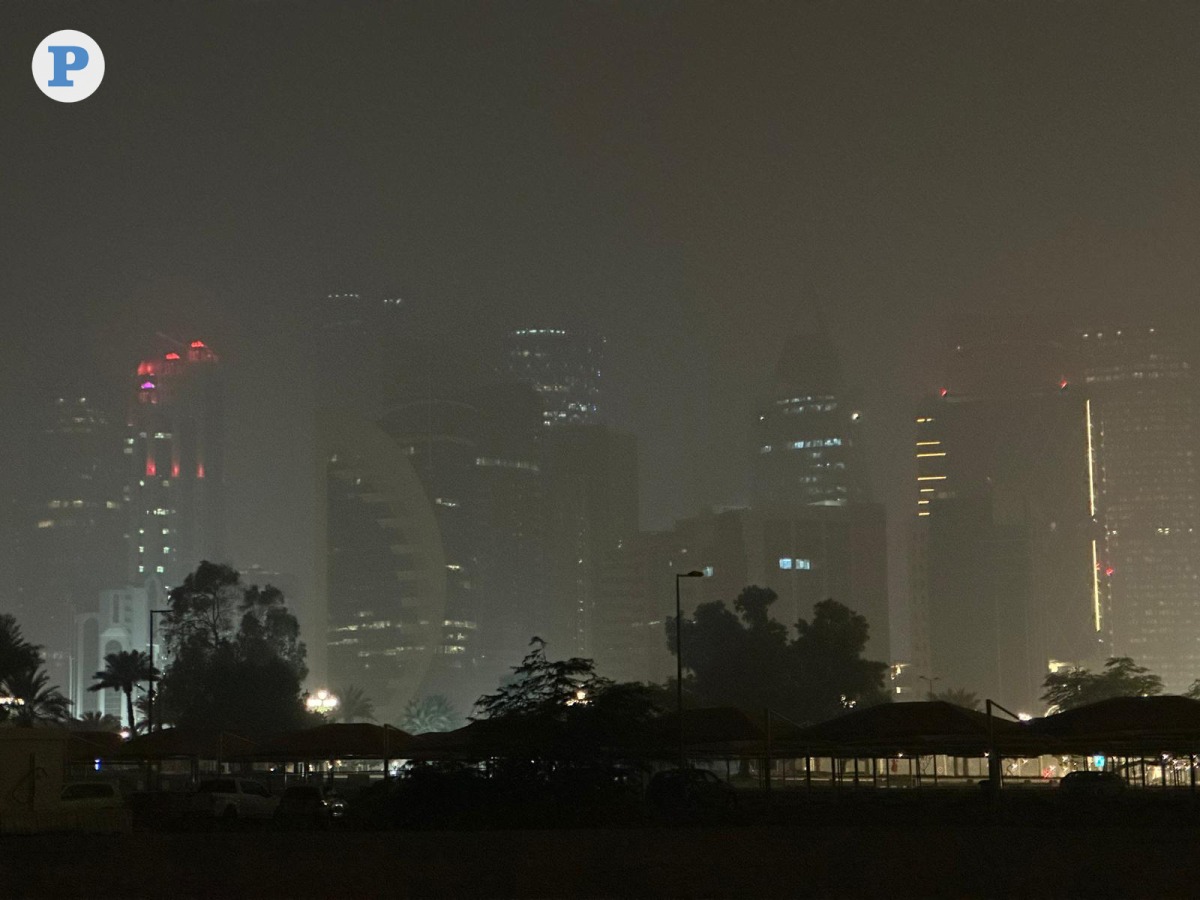

Doha, Qatar – Residents of Qatar should prepare for a significant cold wave expected to begin on Tuesday, December 30, 2025. The Qatar Meteorology Department (QMD) has issued an advisory indicating a noticeable and sustained drop in temperatures across the country. This cooling trend is anticipated to last throughout the week, potentially impacting daily life and outdoor activities.
The cold wave is forecast to be driven by strong northwesterly winds, according to the QMD. These winds will not only lower temperatures but may also contribute to increased wind chill factors, making conditions feel even colder. The impact will be felt across all regions of Qatar, including Doha and more northern areas.
Understanding the Approaching Cold Wave in Qatar
Qatar typically experiences mild winters, with average daytime temperatures ranging from 15°C to 25°C (59°F to 77°F). However, periodic incursions of colder air masses from the north can bring about more substantial temperature decreases. These events, while not uncommon, require preparation to mitigate potential health and safety risks.
The current forecast suggests temperatures could fall below average for this time of year. While specific low temperatures haven’t been released, the QMD’s advisory signals a shift towards conditions more typical of January or February. This change in weather patterns is linked to broader atmospheric circulation over the region.
Impact on Daily Life
The anticipated cold wave may necessitate adjustments to daily routines. Individuals are advised to dress in layers to maintain body heat and protect against the wind. Prolonged exposure to the cold can lead to hypothermia and other cold-related illnesses, so limiting time outdoors is recommended.
Outdoor events and activities may be affected, and organizers should consider implementing safety measures or postponing events if necessary. The cooler temperatures could also influence energy consumption as residents increase heating usage. This increased demand for energy may lead to higher electricity bills.
Potential Effects on Infrastructure
While Qatar’s infrastructure is generally well-equipped to handle varying weather conditions, prolonged cold can present challenges. The report indicates a possible increase in condensation and moisture, which could affect electrical systems. Additionally, road conditions may become slippery in certain areas, particularly during the early morning hours.
The agricultural sector could also experience some impact, with potential risks to frost-sensitive crops. Farmers are likely to take preventative measures, such as covering plants or utilizing irrigation techniques, to protect their yields. The Ministry of Municipality and Environment is expected to monitor the situation closely and provide guidance to agricultural stakeholders.
The QMD has been consistently updating the public on weather forecasts and warnings through its official website and social media channels. These updates are crucial for residents to stay informed and prepared for the changing conditions. The Ministry of Municipality and Environment also provides relevant information and resources.
Looking ahead, the duration and intensity of the cold wave remain somewhat uncertain. The QMD will continue to monitor the atmospheric conditions and issue further updates as the situation evolves. Residents should remain vigilant and follow the guidance provided by the meteorological department and other relevant authorities. The coming days will be critical in assessing the full extent of the temperature drop and its potential consequences.
Further monitoring of wind speeds and humidity levels will be key to understanding the actual “feels like” temperature. Qatar Weatherman, a popular local source, is also providing detailed analysis of the approaching weather system. The public is encouraged to check for updates regularly as the forecast may change.
The impact of this cold wave on the local tourism sector is also something to watch, as outdoor attractions may see reduced visitor numbers.