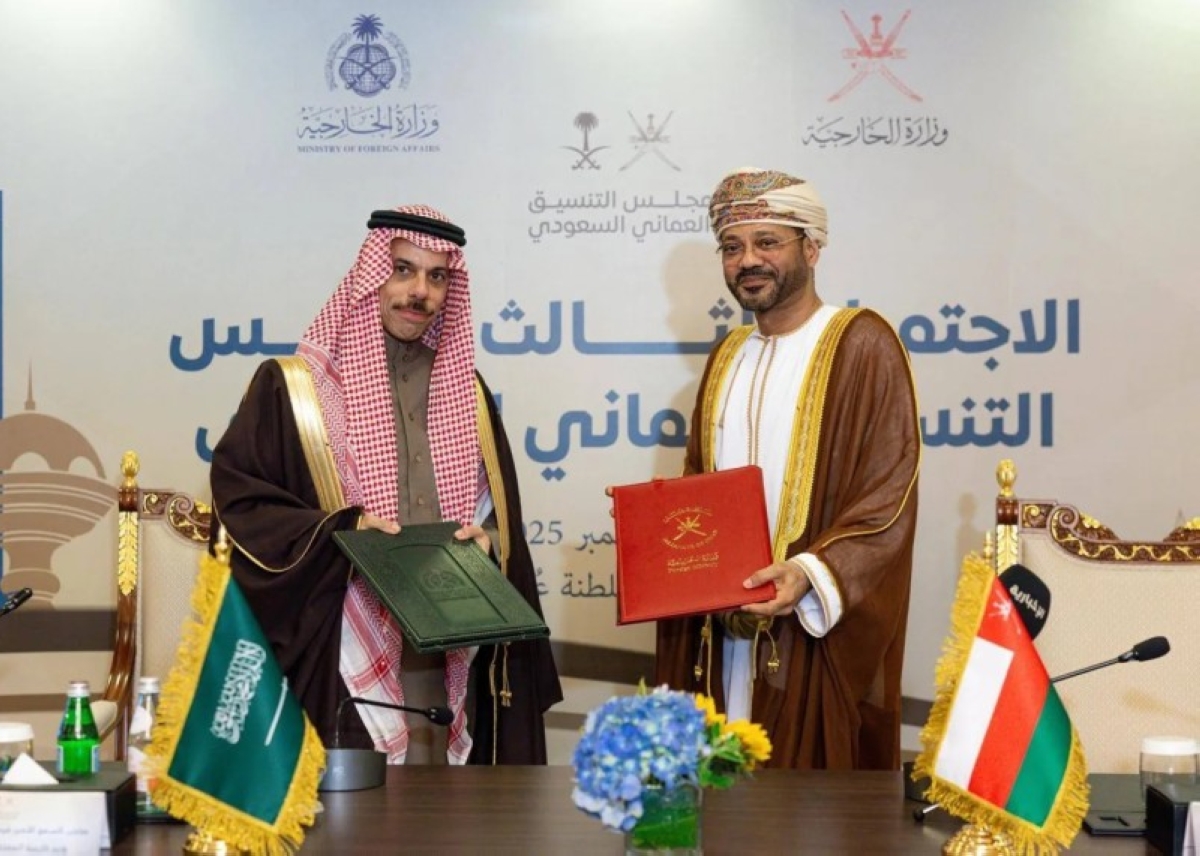

Saudi Arabia and Oman are strengthening their economic and political ties, as evidenced by the recent third meeting of the Saudi-Omani Coordination Council held in Muscat on Monday. The discussions focused on deepening bilateral cooperation across key sectors, including trade, investment, energy, and security, signaling a continued commitment to regional stability and economic integration. The meeting involved the foreign ministers of both nations and representatives from various ministries and agencies.
The talks between Prince Faisal bin Farhan, Saudi Minister of Foreign Affairs, and Badr bin Hamad bin Hamoud Al Busaidi, his Omani counterpart, centered on reviewing existing relations and identifying new avenues for collaboration. Both ministers also addressed pressing regional and international issues, highlighting the importance of coordinated efforts to resolve them. This meeting builds on previous discussions held in AlUla in December 2024.
Boosting Economic Ties Through Saudi-Omani Cooperation
A key outcome of the Coordination Council meeting was the emphasis on enhancing trade and investment between the two countries. Officials stressed the need to involve both the public and private sectors in these initiatives to maximize their impact. The signing of a memorandum facilitating mutual recognition of rules of origin is expected to streamline trade processes.
The commencement of the second phase of industrial integration initiatives further underscores this economic focus. This phase will likely involve projects aimed at creating joint ventures and fostering specialization in key industries such as petrochemicals and manufacturing, according to sources close to the discussions. This integration aims to create more resilient supply chains.
Progress in Key Sectors
Beyond trade and industry, the ministers noted significant progress in several other vital sectors. These include energy, where both nations are major producers, and investment, with a growing number of Saudi companies exploring opportunities in Oman and vice versa. The ministers also highlighted advancements in cultural and tourism exchanges.
The development of an electronic platform for the Coordination Council was also praised. This platform is designed to centralize information and track the progress of various initiatives, improving transparency and accountability. The platform is expected to launch in the coming months.
Security cooperation remains a crucial component of the bilateral cooperation between Saudi Arabia and Oman. Both countries share concerns about regional stability and are working together to address threats such as terrorism and maritime security challenges. The Omani foreign ministry stated that discussions included strategies for countering illicit activities.
The meeting also addressed the importance of continued collaboration in justice and legal affairs. This includes efforts to combat cross-border crime and enhance judicial cooperation. Experts suggest this collaboration is vital for maintaining a secure and predictable investment climate.
The Saudi delegation included high-ranking officials from the Ministries of Interior, Foreign Affairs, Investment, Economy and Planning, and Culture, demonstrating the breadth of the Saudi government’s commitment to strengthening ties with Oman. The presence of representatives from the Strategic Management Office further indicates a strategic approach to this partnership.
Minister Al Busaidi emphasized the qualitative progress in relations, noting the remarkable development witnessed across numerous sectors. He expressed optimism about achieving greater economic integration and deepening cooperation in areas like security, culture, and tourism. He also highlighted the shared commitment to addressing regional and international issues.
The ministers signed the minutes of the third meeting, formalizing the agreements reached and outlining the next steps for implementation. This signifies a formal commitment to the discussed initiatives and a framework for future collaboration. The document will serve as a roadmap for the respective government agencies.
Looking ahead, the focus will be on implementing the recommendations outlined in the meeting minutes. The General Secretariat of the Coordination Council will play a key role in monitoring progress and addressing any obstacles that may arise. The next meeting of the Council is tentatively scheduled for late 2025, though the exact date remains subject to confirmation. Continued monitoring of regional geopolitical developments will be crucial, as these could impact the pace and scope of future bilateral cooperation.
The strengthening of ties between Saudi Arabia and Oman is a significant development in the Gulf region, potentially fostering greater economic stability and security. Analysts suggest this partnership could serve as a model for regional integration, promoting trade relations and collaborative problem-solving. The success of these initiatives will depend on sustained political will and effective implementation of agreed-upon strategies.