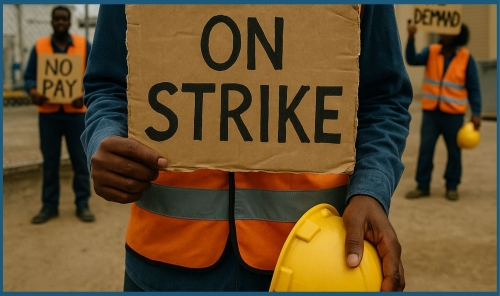

Workers at a private engineering services company in Al Budaiya, Bahrain, have downed tools in protest over unpaid salary delays, a situation causing significant hardship for employees and their families. The escalating crisis highlights the vulnerability of workers dependent on timely wage payments and raises concerns about labor rights enforcement in the region. This collective action comes after months of unanswered pleas to management for the release of earned income.
Unpaid Wages Trigger Work Stoppage in Al Budaiya
The situation unfolded as employees reported not receiving their salary for a period stretching back three months. This prolonged lack of payment has created a ripple effect of financial and emotional distress. One affected worker, speaking to The Daily Tribune, described a desperate situation where repeated attempts to secure payment were met with silence from company leadership.
This isn’t simply a matter of inconvenience; for many, a regular paycheck is the cornerstone of their family’s stability. The absence of income has forced employees to grapple with mounting debts, overdue rent, and the difficult choice between essential needs like groceries and healthcare.
The Human Cost of Delayed Payments
The impact extends far beyond financial strain. Workers are reporting increased levels of stress, anxiety, and exhaustion, all while continuing to fulfill their work obligations. Families are struggling to cope with the uncertainty, and the emotional toll is proving substantial. The worker who spoke to The Daily Tribune emphasized the devastating impact on household well-being.
Meanwhile, the lack of communication from the company has only exacerbated the problem. Employees report receiving no clear explanation for the wage delays, no reassurance that the situation will be resolved, and crucially, no concrete payment schedule. This absence of transparency has eroded trust and fueled the decision to take collective action.
A Last Resort: Workers Demand Intervention
The work stoppage is being presented by employees as a last resort, a desperate measure taken after all internal avenues for resolution have been exhausted. They are now urgently appealing to Bahraini authorities to intervene and ensure the immediate release of their overdue salaries. The workers are seeking not only the payment of what they are owed but also assurances that their labor rights will be protected.
This situation underscores the importance of robust labor laws and effective enforcement mechanisms. Delayed wage payments are a serious violation of worker rights and can have far-reaching consequences.
The Broader Implications of Wage Theft
Labor observers are warning that prolonged salary issues can have severe social and psychological effects, particularly on low-income workers who lack a financial safety net. The inability to meet basic needs can lead to a cycle of debt, stress, and despair, impacting not only the individual worker but also their families and the wider community.
Additionally, such situations can damage the reputation of businesses and undermine confidence in the local labor market. It’s crucial for companies to prioritize timely wage payments and maintain open communication with their employees.
Company Remains Silent, Authorities Urged to Act
As of the time of publication, the engineering services company in Al Budaiya has not issued an official statement addressing the claims made by its employees. This silence is adding to the frustration and anxiety of those affected.
The focus now shifts to the response of the relevant authorities. A swift and decisive intervention is needed to resolve this dispute, protect the rights of the workers, and prevent similar situations from occurring in the future. The case serves as a stark reminder of the importance of upholding employee rights and ensuring fair labor practices in Bahrain.
This ongoing situation demands attention and a commitment to resolving the issue promptly and justly. It’s a critical test of the systems in place to protect vulnerable workers and ensure a fair and equitable labor environment.