
The Indian electric vehicle (EV) market is poised for explosive growth, with projections indicating a staggering value of ₹20 lakh crore (approximately $240 billion USD) by 2030. This expansion isn’t just about cleaner transportation; it’s a potential economic revolution, promising to generate a massive five crore (50 million) new jobs across the country. Recent data and statements from Union Road Transport and Highways Minister Nitin Gadkari highlight the accelerating shift towards electric mobility and the government’s commitment to fostering a self-reliant EV ecosystem.
India’s EV Market: A Rapidly Accelerating Trend
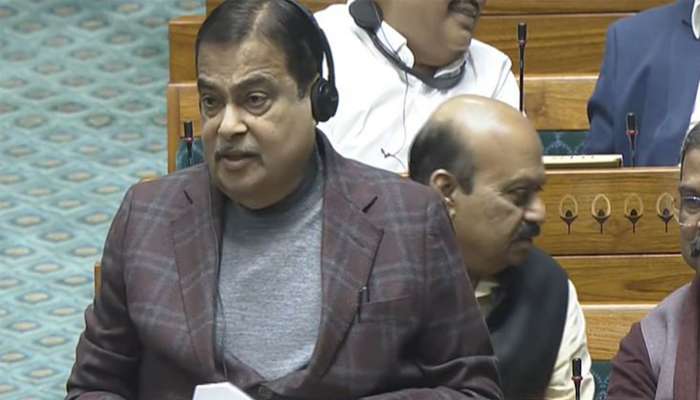
Responding to a question from BJP MP PC Mody in the Lok Sabha (Lower House of Parliament) on Thursday, Gadkari revealed that over 57 lakh electric vehicles are currently registered in India. Crucially, he emphasized that sales figures are demonstrating a significant upward trajectory in the fiscal year 2024-25, signaling a maturing market and increasing consumer adoption.
This growth isn’t uniform across all vehicle types. The data presented paints a clear picture of where the biggest gains are being made:
- EV Car Sales: Increased by 20.8%
- Two-Wheeler EV Sales: Surged by 33%
- Three-Wheeler EV Sales: Rose by 18%
These figures stand in stark contrast to the growth in traditional petrol and diesel vehicle sales, which registered increases of only 4.2%, 14%, and 6% respectively for cars, two-wheelers, and three-wheelers. This disparity underscores the growing preference for electric mobility and the disruptive impact of EVs on the automotive industry.
The Economic Potential of the EV Revolution
The projected ₹20 lakh crore market value by 2030 isn’t just a number; it represents a significant opportunity for economic growth and job creation. The anticipated annual vehicle sales of 1 crore units will necessitate a robust supply chain, manufacturing base, and service network, all of which will contribute to the creation of five crore new jobs.
This burgeoning sector is already attracting significant investment. Gadkari noted that over 400 startups are now operating in the electric two-wheeler market alone, a 21% increase since 2024. This influx of innovation and entrepreneurship is expected to further accelerate the growth of the EV industry and drive down costs.
Lowering Battery Costs and Securing Lithium Supply
A key factor driving the affordability and accessibility of electric vehicles is the cost of batteries, particularly lithium-ion batteries. Gadkari highlighted a positive trend in this area, stating that the price of lithium-ion batteries has fallen from USD 150 per kilowatt-hour to USD 55 per kilowatt-hour. This substantial reduction in cost is making EVs increasingly competitive with their petrol and diesel counterparts.
Furthermore, the discovery of significant lithium reserves in Jammu and Kashmir – estimated at 6 million tonnes, representing approximately 6% of global reserves – is a game-changer for India. This discovery reduces the country’s reliance on imports and strengthens its position in the global EV supply chain. The Ministry of Mines is actively working on developing these reserves, and research is also underway to explore alternative battery technologies utilizing sodium, aluminium, and zinc ions. This diversification of battery technology is crucial for long-term sustainability and reducing dependence on a single resource.
Beyond Lithium: The Future of Fuel – Hydrogen and Biofuels
While lithium is currently central to the EV market, Gadkari emphasized the importance of looking towards the future of fuel. He identified hydrogen as a “futuristic fuel” and expressed confidence that India, under the leadership of Prime Minister Narendra Modi and the “Atmanirbhar Bharat” (Self-Reliant India) initiative, will transition from being an energy importer to an exporter.
The government is also prioritizing biofuels and alternative fuels to reduce the country’s dependence on fossil fuels, which currently cost ₹22 lakh crore annually to import. Gadkari acknowledged the air pollution challenges in cities like Delhi, further reinforcing the need for cleaner energy solutions. This holistic approach to alternative fuels demonstrates a long-term vision for sustainable transportation.
Concurrent Legislative Action: Health and National Security
Meanwhile, on the same day in Parliament, Union Finance Minister Nirmala Sitharaman introduced the Health Security se National Security Cess Bill, 2025. This bill proposes a cess on machinery and processes used in the manufacture of specified goods, with the aim of bolstering resources for national security and public health initiatives. This demonstrates the government’s broader focus on strengthening the nation’s infrastructure and well-being alongside its push for economic growth in sectors like electric vehicles.
In conclusion, the Indian electric vehicle market is experiencing a period of unprecedented growth, driven by falling battery costs, government support, and increasing consumer demand. The projected economic impact – a ₹20 lakh crore market and five crore new jobs by 2030 – is immense. With a focus on securing domestic lithium supplies and exploring alternative fuel technologies like hydrogen and biofuels, India is positioning itself as a global leader in sustainable transportation. The ongoing legislative efforts further underscore the government’s commitment to building a stronger, healthier, and more secure future for the nation. Readers are encouraged to stay informed about the latest developments in the Indian EV sector and consider the benefits of transitioning to electric mobility.