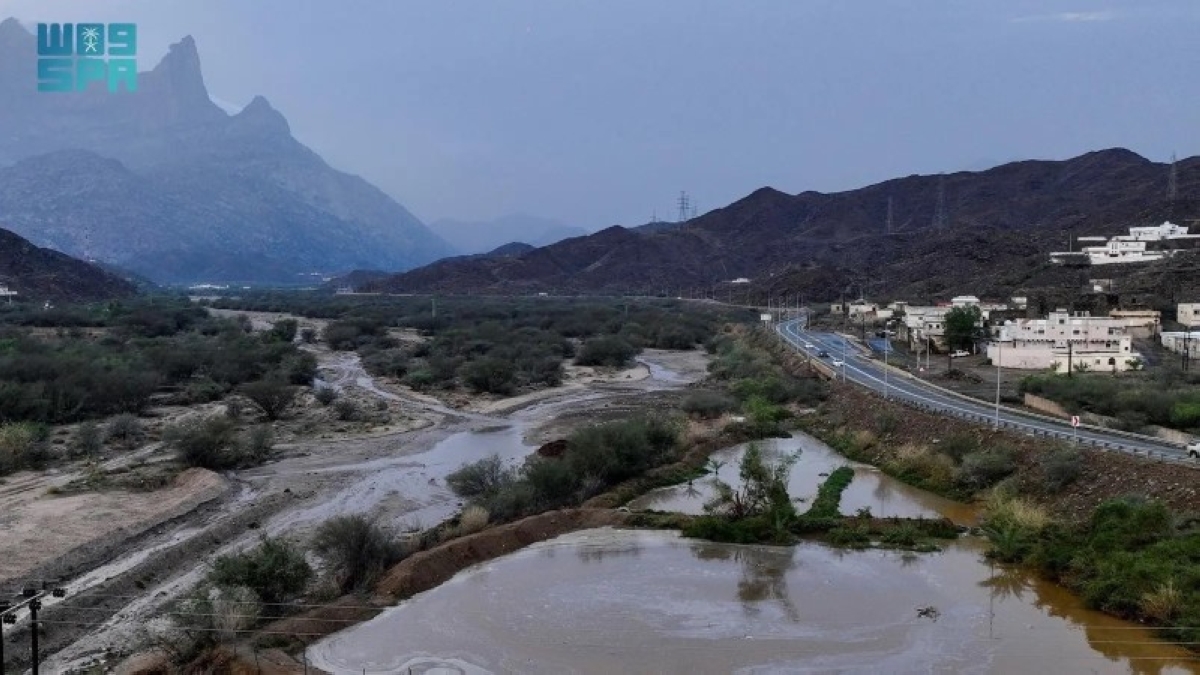

Saudi Arabia is bracing for widespread thunderstorms across much of the country, with the National Center for Meteorology (NCM) issuing a weather alert effective Saturday, December 6th, and lasting through Thursday, December 11th. The forecast predicts significant rainfall and associated hazards impacting travel and daily life in numerous regions. Residents and travelers are urged to stay informed and exercise caution during this period of potentially severe weather.
The anticipated thunderstorms are expected to affect Asir, Al-Baha, Makkah, Madinah, Tabuk, Hail, Qassim, Jazan, Al-Jouf, the Northern Borders, Riyadh, and the Eastern Province. The NCM warns of potential dangers beyond rainfall, including dust storms, hail, high waves along coastal areas, and the risk of flash flooding. These conditions necessitate heightened awareness and preparedness from the public.
Understanding the Scope of the Thunderstorm Forecast
The NCM’s forecast indicates a broad area of atmospheric instability developing over the Arabian Peninsula. This instability is driven by a combination of factors, including cooler air moving southward and interacting with warmer, moist air from the Red Sea and Arabian Gulf. This interaction creates the conditions necessary for the formation of cumulonimbus clouds, which are responsible for thunderstorms and heavy precipitation.
Potential Hazards and Regional Variations
While widespread rainfall is expected, the intensity and specific hazards will vary by region. The mountainous areas of Asir and Al-Baha are particularly vulnerable to heavy downpours and flash floods, due to the steep terrain. Coastal regions along the Red Sea and Arabian Gulf could experience high waves, potentially disrupting maritime activities.
Meanwhile, inland areas like Qassim and Hail may face stronger downdrafts associated with the storms, leading to localized dust storms and reduced visibility. Hail is also a possibility in some areas, potentially causing damage to crops and property. The NCM has not specified which regions are most likely to experience hail, but advises vigilance across the affected areas.
The risk of flash floods is a major concern throughout the affected regions, particularly in valleys and low-lying areas. According to previous reports from the Ministry of Environment, Water and Agriculture, flash floods are a recurring hazard in Saudi Arabia, especially during periods of intense rainfall. The NCM emphasizes the importance of avoiding wadis and low-lying areas during and immediately after heavy rainfall.
Safety Recommendations and Information Sources
The NCM strongly advises the public to continuously monitor weather updates and heed all safety warnings. Travel, especially in areas prone to flooding or dust storms, should be undertaken with extreme caution. Drivers are urged to reduce speed and increase following distances in wet conditions.
Additionally, residents are encouraged to secure loose objects that could be blown away by strong winds. Power outages are possible during severe weather events, so having a backup power source and essential supplies on hand is recommended. Staying indoors during the peak of the storms is also advised.
The NCM is providing regular updates through its official website (www.ncm.gov.sa), social media channels, and the Anwaa weather app. These resources offer detailed forecasts, radar imagery, and real-time alerts. The center stresses the importance of relying on official sources for accurate information, rather than unverified reports circulating online. Staying informed about weather patterns is crucial for personal safety.
Implications for Infrastructure and Daily Life
The anticipated weather conditions could disrupt transportation networks, including road and air travel. Airlines may experience delays or cancellations due to poor visibility or strong winds. Road closures are also possible in areas affected by flooding or dust storms.
However, the rainfall is also expected to provide some relief to agricultural areas that have been experiencing dry conditions. The increased moisture could benefit crops and replenish groundwater reserves. The long-term impact on agriculture will depend on the amount and distribution of rainfall.
The Ministry of Interior has not yet issued specific directives regarding school closures or other public safety measures. However, local authorities may take action based on the severity of the weather in their respective regions. It is advisable to check with local authorities for any specific instructions or advisories.
The NCM will continue to monitor the developing weather system and provide updated forecasts as needed. The duration and intensity of the thunderstorms remain subject to change, and further adjustments to the forecast are possible. Residents should remain vigilant and prepared for potentially hazardous conditions throughout the week.