
Abu Dhabi’s Sheikh Zayed National Museum is preparing to open its doors, offering a comprehensive exploration of Emirati history and culture. The museum, located near the Presidential Palace, will showcase the nation’s heritage through a unique visitor journey beginning in the expansive Al Masar Garden. This new cultural institution aims to become a central destination for understanding the United Arab Emirates and its deep-rooted traditions, with a focus on the legacy of the nation’s founding father, Sheikh Zayed.
Construction on the museum began several years ago, and recent reports indicate the final stages of preparation are underway. The museum’s opening date has not been definitively announced, though officials have suggested a launch within the next year. The project represents a significant investment in the UAE’s cultural infrastructure and is expected to draw both domestic and international tourists interested in learning about the region’s past.
Understanding the Sheikh Zayed National Museum Experience
The museum’s design prioritizes a holistic and immersive experience for visitors. The journey begins with the 600-meter Al Masar Garden, a carefully landscaped outdoor gallery intended to connect guests with the natural environment of the UAE. This initial phase is crucial in establishing a sense of place before transitioning into the indoor exhibits.
The indoor galleries are organized thematically, covering key aspects of Emirati history and identity. These include the life and vision of Sheikh Zayed, the diverse natural landscapes of the UAE, the influence of ancient civilizations, the country’s rich maritime history, and the traditions of its inland communities. According to the Department of Culture and Tourism – Abu Dhabi, the exhibits will utilize a variety of media, including artifacts, historical documents, and interactive displays.
A Focus on Emirati Heritage
The museum’s core mission is to preserve and promote Emirati cultural heritage. It aims to demonstrate how the UAE’s geography, historical interactions, and spiritual beliefs have shaped its unique identity over millennia. This narrative is particularly important as the UAE continues to develop as a global hub, ensuring its traditions are not overshadowed by modernization.
The inclusion of maritime history is a significant element, reflecting the UAE’s long-standing relationship with the sea. For centuries, the region’s economy and culture were deeply intertwined with pearl diving, fishing, and trade routes connecting East and West. The museum will likely feature exhibits detailing these seafaring traditions and their impact on the development of coastal communities.
The Role of Sheikh Zayed’s Legacy
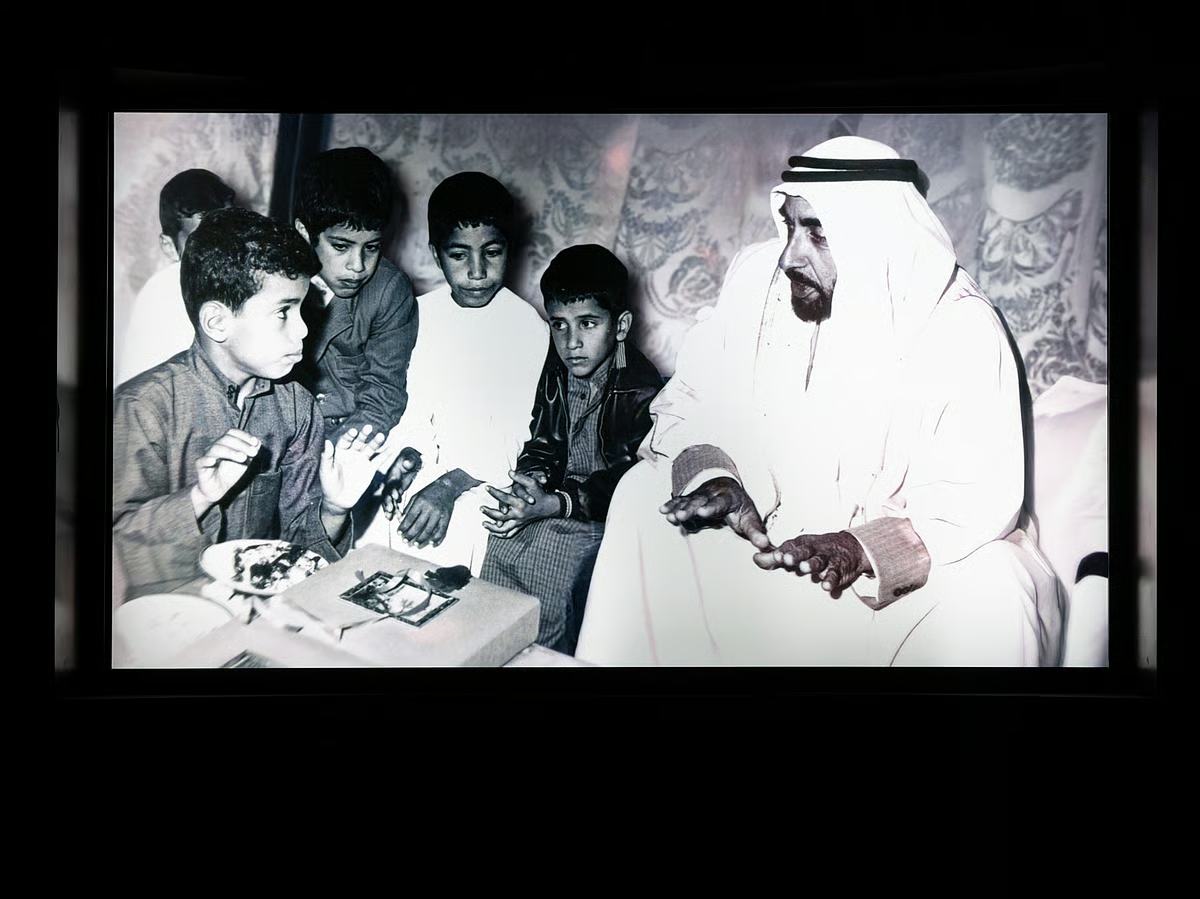
The museum is named in honor of Sheikh Zayed bin Sultan Al Nahyan, the founding father of the United Arab Emirates. His leadership was instrumental in unifying the seven emirates and transforming the region into a modern nation. The exhibits dedicated to his life will explore his vision for the UAE, his commitment to education and healthcare, and his efforts to preserve the country’s cultural heritage.
Sheikh Zayed’s emphasis on environmental sustainability will also be a prominent theme. He recognized the importance of protecting the UAE’s natural resources and implemented policies to promote conservation. This aspect of his legacy resonates strongly with contemporary efforts to address climate change and promote responsible tourism. The museum’s design itself incorporates sustainable practices, reflecting this commitment.
Implications for Tourism and Cultural Preservation
The opening of the Sheikh Zayed National Museum is expected to have a positive impact on tourism in Abu Dhabi. The museum will provide a compelling cultural attraction for visitors, complementing existing landmarks such as the Louvre Abu Dhabi and the Grand Mosque. This increased tourism could contribute significantly to the emirate’s economic growth.
However, the museum’s significance extends beyond economic benefits. It will serve as a vital resource for researchers, educators, and the general public interested in learning about Emirati history and culture. The museum’s collections and exhibits will contribute to a deeper understanding of the region’s past and its place in the world. This focus on cultural preservation is crucial for maintaining a sense of national identity in a rapidly changing global landscape.
The museum’s location near the Presidential Palace also suggests a deliberate effort to integrate it into the broader national narrative. This proximity will allow visitors to connect the museum’s exhibits with the ongoing story of the UAE’s development and its aspirations for the future. The museum is intended to be a dynamic space, hosting temporary exhibitions, workshops, and public programs to engage a wide range of audiences.
The development of the Sheikh Zayed National Museum aligns with the UAE’s broader strategy to invest in its cultural sector. This strategy recognizes the importance of culture as a driver of economic growth, social cohesion, and national pride. The Ministry of Culture and Youth has been actively supporting initiatives to promote Emirati arts, heritage, and creative industries. The museum represents a culmination of these efforts, providing a world-class platform for showcasing the nation’s cultural wealth.
The final opening date remains subject to logistical considerations and ongoing preparations. Officials are expected to announce a firm date in the coming months, along with details about ticketing and visitor access. The museum’s impact on the cultural landscape of Abu Dhabi and the wider UAE will be closely watched as it prepares to welcome its first visitors. Further announcements regarding specific exhibits and programming are anticipated as the launch date approaches.