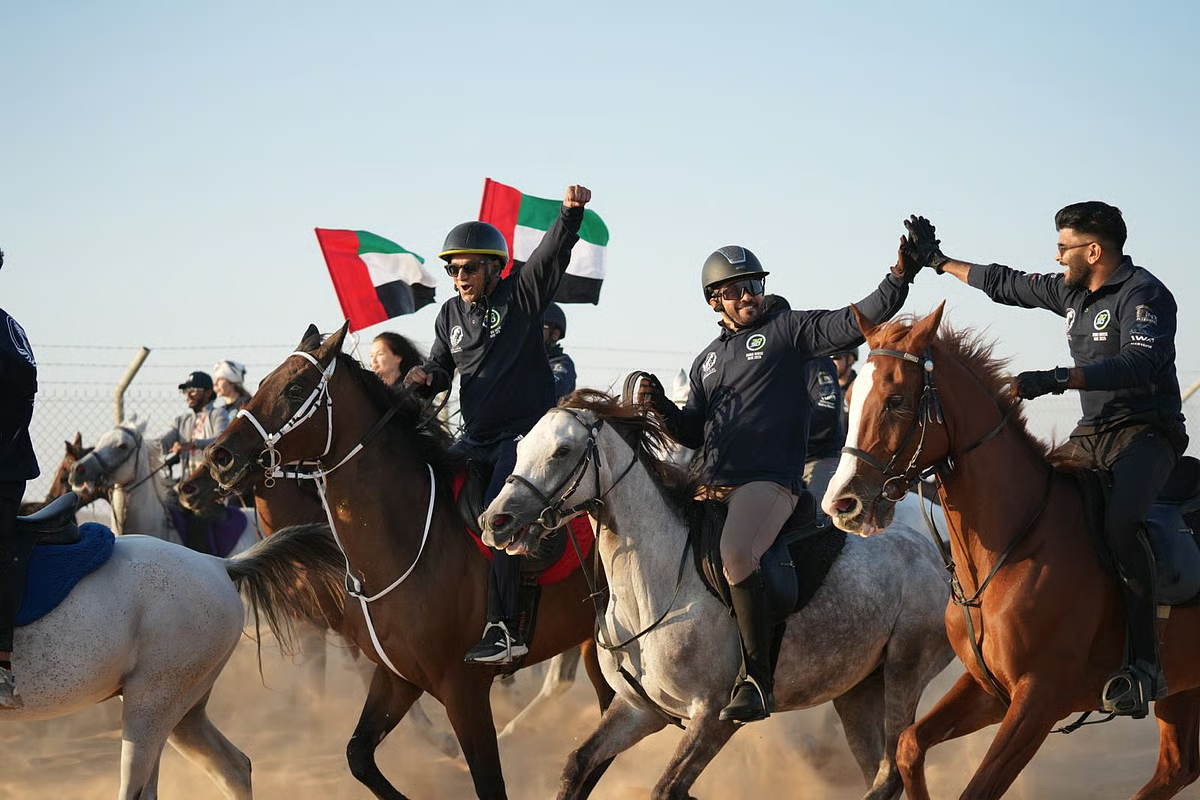

A group of riders, primarily members of the Royal Stallions equestrian community, recently participated in a symbolic desert ride across the Al Ruwayyah Desert Tracks in Dubai. The group proudly carried the UAE flag, demonstrating unity and celebrating equestrianism within the diverse expat community. This desert ride, involving Indian expatriates from Kerala and riders of multiple nationalities, highlighted the growing popularity of horse riding as a recreational and community-building activity in the United Arab Emirates.
The event took place on [Insert Date – Assume recent, e.g., November 17, 2023], with participants guided by experienced trainers from Nar Horse Riding Stable. The Royal Stallions, Dubai’s first equestrian community specifically for Indian expats from Kerala, spearheaded the initiative. It underscores the increasing engagement of the Indian diaspora in local cultural and sporting traditions.
The Significance of the Royal Stallions Desert Ride
The Royal Stallions, founded in [Insert Year – Assume recent, e.g., 2022], aim to foster a sense of belonging and promote the sport of horse riding amongst Keralite expatriates. Kerala, a state in southern India, has a long-standing history with horses, particularly the indigenous Malabar breed. The desert ride served as a public expression of their commitment to both their heritage and their adopted home.
This particular ride, featuring the UAE flag, was intended as a demonstration of respect and integration. According to sources familiar with the group’s activities, it also aimed to showcase the harmonious multicultural environment present in Dubai. The participation of riders from various nations strengthens this message of inclusivity within the equestrian scene.
Growing Equestrian Interest in the UAE
Horse racing and equestrian sports have long been popular pastimes in the UAE, deeply rooted in Bedouin tradition. However, recreational horse riding and the establishment of equestrian communities are relatively recent developments. Investments in facilities like the Dubai International Equestrian Centre and the Emirates Equestrian Federation are driving a surge in interest.
The nation’s favorable climate allows for year-round outdoor activity, making it an attractive location for equestrians. Furthermore, the UAE government actively supports sporting initiatives as part of its broader strategy to promote tourism and cultural exchange. This is evident in the funding towards infrastructure and events.
Role of Nar Horse Riding Stable
Nar Horse Riding Stable, a well-known establishment in Dubai, provided critical expertise and supervision for the event. The stable offers lessons for all skill levels, from beginners to advanced riders, and caters to a diverse clientele. They emphasize safety and responsible horsemanship.
Their involvement indicates a growing collaboration between established equestrian businesses and newly formed community groups. According to their website, Nar Horse Riding Stable often participates in and sponsors local equestrian events. This benefits both the stable’s visibility and the broader equestrian community.
The choice of the Al Ruwayyah Desert Tracks as the location was also significant. These tracks are a popular destination for horse riding and desert safaris, offering a challenging yet scenic terrain. The tracks are known for their rolling dunes and relatively flat surfaces, allowing for safe and enjoyable rides.
The event generated considerable social media attention, with participants sharing photos and videos of their experience. This online highlighting of the desert ride is expected to increase awareness of equestrian activities in Dubai and attract potential new members to groups like the Royal Stallions. The hashtag #RoyalStallionsDubai was used extensively, increasing its visibility.
Meanwhile, similar equestrian groups are emerging amongst other expat communities in the UAE. A recent report by a tourism agency indicated a rise in demand for culturally immersive experiences, with horse riding near the top of the list. This trend suggests a potential for further growth and diversification within the local equestrian sector.
In contrast to more traditional sports, equestrianism is becoming increasingly accessible and inclusive in the UAE. This is driven partly by the efforts of groups focused on building community around a shared passion for horses. Amenities are also becoming more available, improving accessibility to the pastime.
The successful completion of the ride strengthens the Royal Stallions’ position as a leading equestrian community for Indian expats. It also serves as a model for other groups seeking to organize similar events and promote their cultural heritage. The emphasis on integrating with the local community through symbolic gestures, like carrying the UAE flag, is considered a best practice.
Further developments surrounding the Royal Stallions are anticipated, including plans for expanded training programs and increased participation in local equestrian competitions. A formal event recap is expected from the organizers within the next two weeks, potentially including participant testimonials and detailed statistics regarding the horseback riding experience.
The long-term impact of initiatives like this on the overall equestrian landscape in the UAE remains to be seen. However, the growing interest in equestrian activities and the increasing diversity of participants point toward a vibrant and evolving future for the sport. The UAE Equestrian Federation is currently reviewing submissions for the 2024 competition calendar, with opportunities expected for community groups to participate.
Ultimately, the Royal Stallions’ desert adventure not only celebrated a sense of community but also contributed to the broader cultural and sporting fabric of Dubai. The enthusiasm surrounding the ride will likely influence future events and encourage continued involvement in equestrian pursuits. Watching for future initiatives from the Royal Stallions, and similar groups, will be key to understanding the continued development of equestrianism in the region.