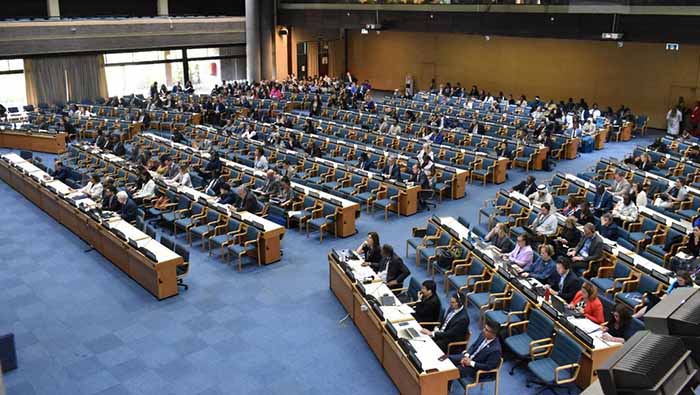

Preparations are well underway for the seventh session of the United Nations Environment Assembly (UNEA), with a crucial meeting of the Open-ended Committee of Permanent Representatives (OECPR) currently taking place in Nairobi. This gathering, focused on UNEA-7 preparations, is setting the stage for vital negotiations on resolutions addressing some of the planet’s most pressing environmental challenges. The Sultanate of Oman is playing a key role, preparing to chair the upcoming assembly and champion global sustainability efforts.
Nairobi Hosts Key Discussions for UNEA-7
The Kenyan capital, Nairobi, is currently hosting representatives from around the globe for the OECPR meeting, which began on Monday and will continue until December 5th. This meeting represents a significant step in the lead-up to UNEA-7, serving as a platform to refine and prepare for the complex negotiations that will define the assembly’s outcomes. The focus is on ensuring a productive and impactful session that drives real change in environmental policy and action.
Oman’s Leadership Role in Global Environmental Governance
Dr. Abdullah Ali Al Amri, Chairman of the Environment Authority of Oman, will preside over UNEA-7. This appointment underscores the Sultanate’s commitment to environmental stewardship and its growing influence in international environmental governance. Oman’s participation in the Nairobi meeting, through its Environment Authority, demonstrates proactive preparation for the chairmanship and a dedication to fostering international consensus on critical environmental issues. This includes promoting sustainable development pathways on a global scale.
Negotiating Resolutions for a Sustainable Future
The core of the Nairobi meeting revolves around the examination of negotiation mechanisms for 16 draft technical resolutions. These resolutions cover a broad spectrum of environmental concerns, reflecting the interconnected nature of global challenges. The discussions aim to build consensus and refine these drafts before they are formally presented at UNEA-7.
Key Areas of Focus in the Draft Resolutions
Among the key areas under discussion are strategies for enhancing climate action. This includes exploring more ambitious targets for emissions reductions and promoting adaptation measures to address the impacts of climate change. Combating pollution, in all its forms – air, water, and land – is another critical focus, with resolutions aiming to strengthen regulations and promote cleaner technologies.
Protecting biodiversity is also high on the agenda. Recognizing the alarming rate of species loss, the resolutions seek to strengthen conservation efforts and address the drivers of biodiversity decline. Furthermore, the meeting is addressing the need for sustainable production and consumption policies, aiming to decouple economic growth from environmental degradation.
Additionally, the OECPR is delving into proposals for the optimal management of mining and minerals, ensuring responsible resource extraction and minimizing environmental impacts. Chemical management is also being addressed, with a focus on reducing the risks posed by hazardous substances. These discussions highlight the importance of a holistic approach to environmental protection, recognizing the interconnectedness of various environmental challenges.
The Importance of UNEA-7 and International Collaboration
The United Nations Environment Assembly is the world’s highest-level multilateral environmental forum. UNEA-7, therefore, represents a crucial opportunity to accelerate progress towards achieving the Sustainable Development Goals and addressing the planetary crisis. The success of the assembly hinges on effective collaboration and a shared commitment to finding solutions to global environmental problems. The preparatory work being done in Nairobi is essential to ensuring that UNEA-7 delivers tangible results.
The meeting in Nairobi isn’t just about finalizing resolutions; it’s about building trust and understanding among nations. It’s about creating a space for dialogue and compromise, recognizing that addressing environmental challenges requires a collective effort. The Sultanate of Oman’s leadership, coupled with the dedication of all participating nations, will be instrumental in shaping a successful outcome for environmental policy at UNEA-7.
Looking Ahead: Shaping a Sustainable Future
The ongoing discussions in Nairobi are a vital step towards a more sustainable future. The resolutions emerging from UNEA-7 will have far-reaching implications for environmental protection and sustainable development worldwide. As preparations for UNEA-7 continue, it is crucial that all stakeholders remain engaged and committed to finding innovative solutions to the planet’s most pressing environmental challenges. Stay informed about the progress of UNEA-7 and explore opportunities to contribute to a more sustainable world. Further information on UNEA and the work of UNEP can be found on the official United Nations Environment Programme website.