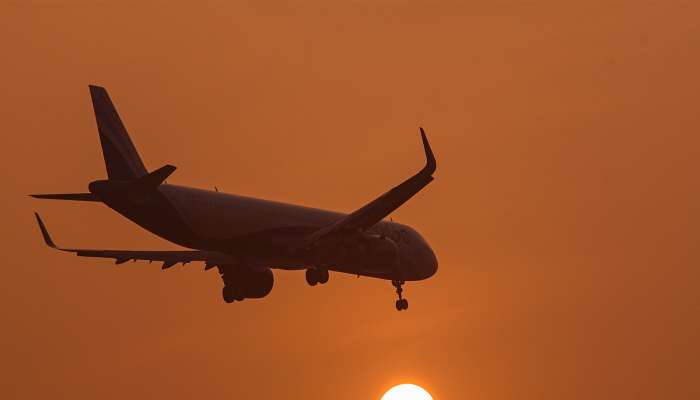

The recent concerns surrounding a potential safety risk in Airbus A320 family aircraft have prompted swift action from airlines worldwide, including major Indian carriers IndiGo and Air India Express. The issue, stemming from a software vulnerability to solar radiation, led to a temporary grounding of some aircraft and a flurry of updates from both Airbus and aviation regulators. This article details the completion of mandatory system upgrades by IndiGo, the ongoing safety checks by Air India Express, and the broader context of the situation, focusing on Airbus A320 update compliance and passenger safety.
IndiGo Completes Fleet-Wide Airbus A320 Update
IndiGo, India’s largest airline, announced on Saturday the successful completion of the mandatory Airbus system upgrade across its entire fleet of A320 family aircraft. This encompasses all 200 planes currently in operation, confirming full compliance with the latest safety requirements issued by aviation authorities. The airline highlighted the coordinated effort between its engineering and operations teams, which allowed them to implement the necessary changes without significant disruption to their flight schedule.
This is a significant achievement, as the Airbus A320 update was initially causing widespread delays globally. IndiGo specifically emphasized that the upgrade was carried out with “minimal impact on customers’ journeys and zero cancellations,” demonstrating a commitment to both safety and customer experience. The airline confirmed that all updated aircraft are now operating with the latest approved configuration and that ongoing performance monitoring will continue as part of their standard safety protocols.
Minimizing Disruption During the Upgrade
The speed and efficiency with which IndiGo implemented the update are noteworthy. Airlines faced a logistical challenge in scheduling the necessary maintenance, particularly given the high demand for air travel. IndiGo’s proactive approach, leveraging its robust engineering and operations infrastructure, allowed it to navigate this challenge effectively. This involved careful planning, optimized maintenance slots, and potentially utilizing overnight checks to minimize aircraft downtime.
Air India Express Follows Suit with Safety Checks
Meanwhile, Air India Express is also working diligently to address the safety concerns related to the Airbus A320 family. The airline stated on Saturday that it had completed safety checks on the majority of its fleet, with the remaining checks scheduled for completion within the timeframe advised by regulators. Like IndiGo, Air India Express collaborated closely with Airbus and relevant authorities to minimize disruptions and prioritize passenger safety.
The airline’s spokesperson confirmed that operations are expected to return to normal as soon as the final checks are completed. The coordinated efforts of their engineering, operations, and flight safety teams have been crucial in achieving this progress with minimal impact on passengers. Air India Express continues to maintain open communication with Airbus and regulatory bodies, reinforcing its dedication to safe and reliable air travel.
Addressing the Solar Radiation Risk
The root of the issue lies in a potential vulnerability to solar radiation. Airbus identified that intense solar flares could, in rare circumstances, corrupt data within the aircraft’s flight control systems. This prompted the need for a software and, in some cases, hardware update to provide protection against this risk. The situation underscores the increasing complexity of modern aircraft systems and the need for ongoing vigilance regarding potential vulnerabilities.
Airbus Apologizes and Prioritizes Safety
Recognizing the significant disruption caused to airlines and passengers, Airbus CEO Guillaume Faury issued a formal apology. He reiterated that safety remains the company’s top priority and assured the public that teams are working tirelessly to implement the necessary updates and return aircraft to service.
Faury acknowledged the logistical challenges posed by the required fix and emphasized the commitment to swiftly deploying the updates. He stated, “Our teams are working around the clock to support our operators and ensure these updates are deployed as swiftly as possible to get planes back in the sky and resume normal operations, with the safety assurance you expect from Airbus.” This public statement aimed to reassure travelers and demonstrate Airbus’s accountability in addressing the issue. The company is providing full support to operators, including technical assistance and expedited access to necessary components.
Regulatory Response: DGCA Airworthiness Directive
The Directorate General of Civil Aviation (DGCA) in India took proactive measures by issuing an airworthiness directive on Saturday. This directive temporarily banned the use of multiple Airbus aircraft models, including various iterations of the A319 and A321 families, pending the completion of the required software updates. The directive covered a broad range of models to ensure comprehensive safety coverage.
This action by the DGCA reflects a global trend of heightened scrutiny following the initial reports of the potential safety risk. Aviation authorities worldwide are working in concert to ensure that all affected aircraft receive the necessary updates and are operating safely. The DGCA’s directive underscores the importance of adhering to manufacturer recommendations and regulatory guidelines to maintain the highest standards of aviation safety. The Airbus A320 update is not just a technical fix, but a demonstration of the industry’s commitment to passenger well-being.
Ensuring Continued Air Travel Safety
The swift response from IndiGo, Air India Express, Airbus, and the DGCA demonstrates a strong commitment to aviation safety. While the Airbus A320 update caused temporary disruptions, the proactive measures taken have minimized the risk to passengers and ensured the continued safe operation of these aircraft. The situation serves as a reminder of the constant evolution of aviation technology and the importance of ongoing maintenance, monitoring, and collaboration between airlines, manufacturers, and regulatory bodies. Passengers can be reassured that the industry is prioritizing their safety and working diligently to address any potential concerns.
For further information on flight schedules and potential disruptions, passengers are advised to check directly with their respective airlines.