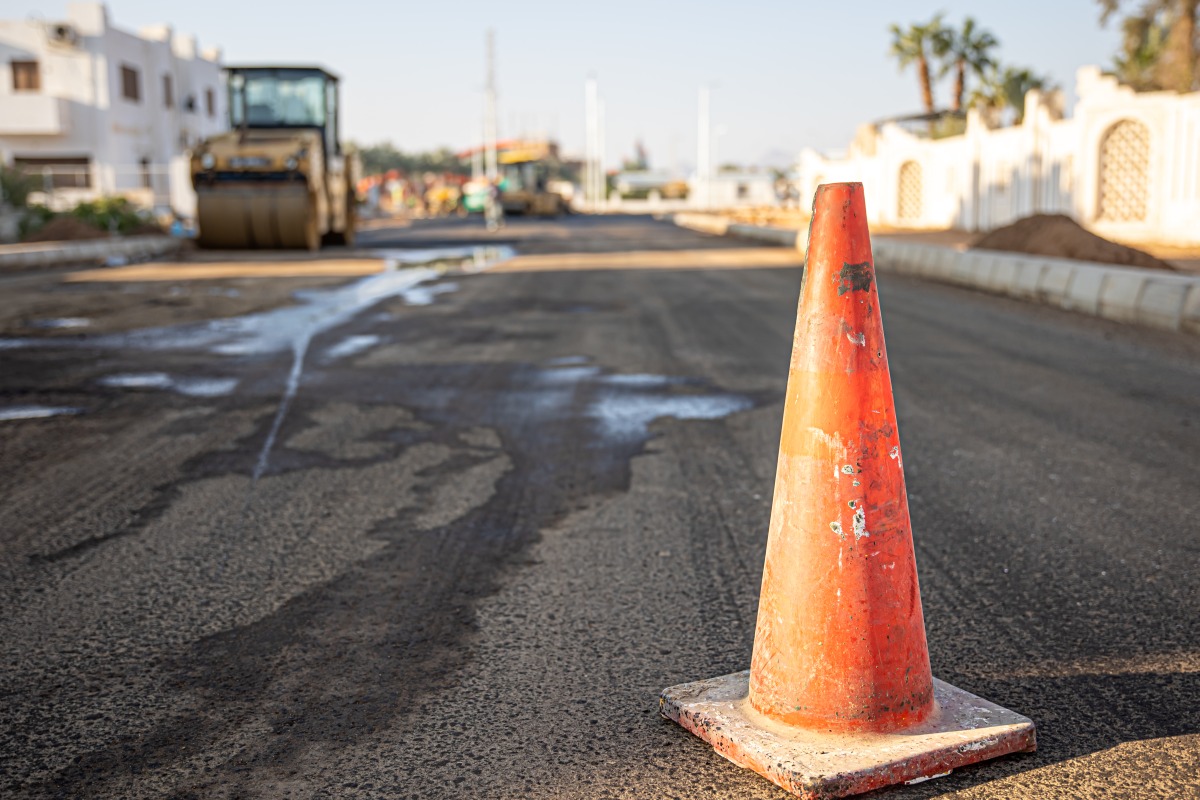

The Public Works Authority (Ashghal) in Qatar is proceeding with the first phase of its extensive infrastructure development plan for the Duhail South and Umm Lekhba areas. This project, focused on remaining roads and essential utility networks, aims to support the growing residential population and improve connectivity within these key Doha suburbs. The initiative, currently underway, represents a significant investment in Qatar’s urban infrastructure.
Spanning an area east of Al Shamal Road and west of Arab League Street, between Al Duhail Street and Al Khafji Street, Package 1 of the project is a crucial component of the broader effort to upgrade the region’s facilities. Ashghal estimates the development will ultimately service approximately 864 residential plots, providing necessary enhancements to daily life for residents. This phase prioritizes both road construction and utility provision.
Duhail South & Umm Lekhba Road Development: Project Details
The scope of Package 1 is substantial, encompassing approximately 22 kilometers of new roadway. This new network is designed to alleviate traffic congestion and improve accessibility for residents, according to engineers working on the project. Additionally, the plan includes upgrades to existing lighting systems with the installation of 936 new light poles, enhancing road safety and visibility.
Infrastructure Networks
Beyond the roads themselves, the project incorporates extensive underground infrastructure improvements. A 19-kilometer sewage network is being constructed to support the increased residential capacity. Furthermore, a 21-kilometer network will manage stormwater, surface water, and groundwater drainage, mitigating potential flooding issues – a common concern in the region.
A dedicated 11-kilometer treated water network is also being implemented, providing a sustainable source of water for irrigation and other non-potable uses. This integrated approach to infrastructure development reflects Qatar’s commitment to resource management and environmental sustainability. The integration of these networks is crucial for supporting future growth.
Currently, excavation work is progressing, laying the groundwork for the stormwater drainage pipes. Ashghal has divided the works into five sequential stages to lessen disruption to local communities. This phased approach allows for ongoing traffic management and minimizes inconvenience to residents during construction.
Ashghal is placing a strong emphasis on utilizing locally sourced materials for the project, with an anticipated local component of around 70% of all materials used. This commitment aligns with the Authority’s “Taheel” initiative launched in 2017, which aims to bolster national industry and reduce reliance on imports. This supports Qatar’s economic diversification goals.
Officials have emphasized that this development is part of a larger strategy to modernize Qatar’s infrastructure in preparation for future population increases and economic growth. The area surrounding Duhail and Umm Lekhba has seen considerable residential expansion in recent years, necessitating upgrades to transportation and utility systems. Remaining roads improvements are a key component of this plan.
Similar infrastructure projects are taking place across Doha, as Qatar continues to invest in its long-term development. These projects are not only designed to improve the quality of life for residents but also to enhance the country’s competitiveness as a regional hub. The focus on urban planning has become increasingly pronounced in recent years.
Looking ahead, Ashghal is expected to continue progressing through the five stages of Package 1, with ongoing monitoring of traffic flow and resident feedback. While a firm completion date has not been publicly announced, the authority aims to deliver the project as efficiently as possible while minimizing disruption. The successful completion of Package 1 will pave the way for further phases of development in Duhail South and Umm Lekhba, highlighting the ongoing evolution of Doha’s infrastructure landscape.
Further stages of the remaining roads project are anticipated to begin following the conclusion of Package 1, and the timing will likely depend on the smooth execution of the current phase and related regulatory approvals.