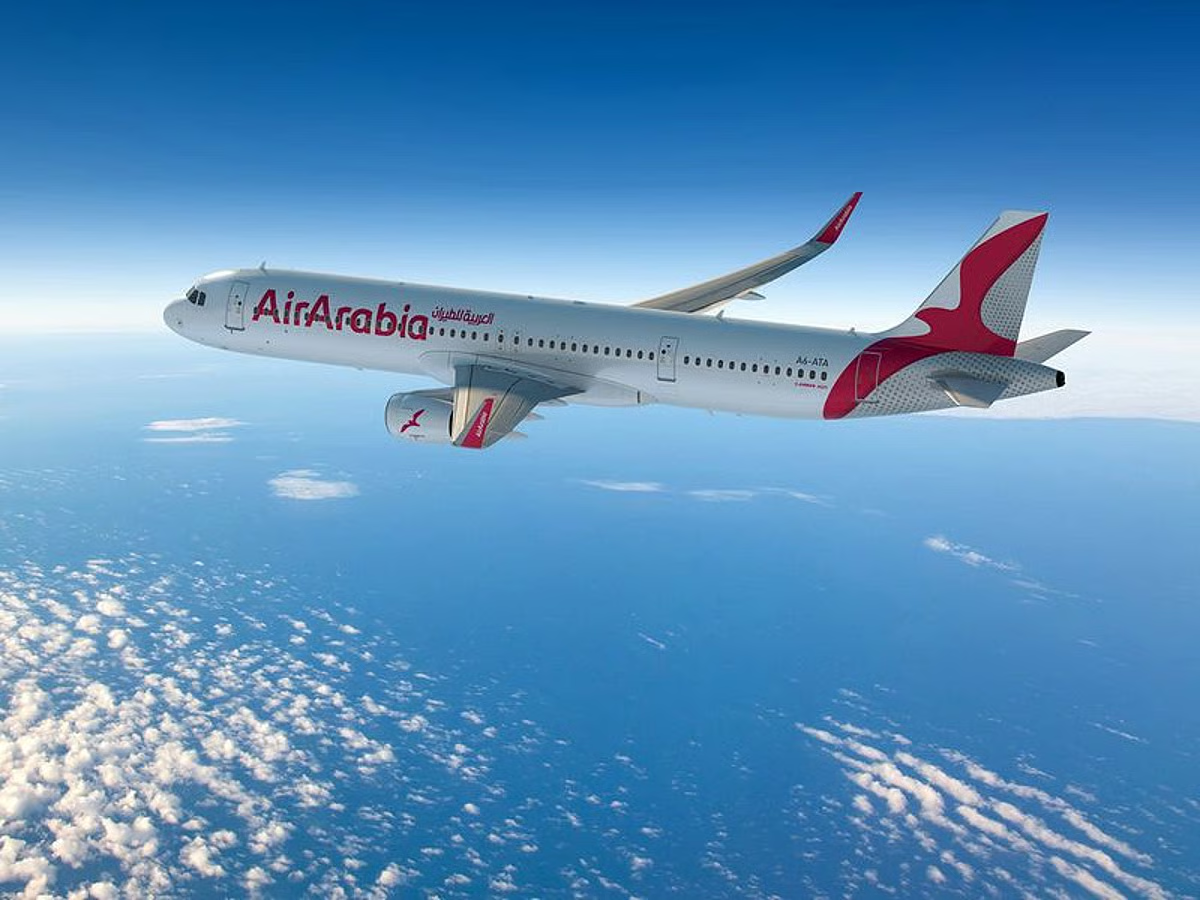

Air Arabia, the United Arab Emirates’ low-cost carrier, is on track to complete system updates across its entire Airbus A320 fleet by the end of today, addressing a directive from the General Civil Aviation Authority (GCAA). The updates, impacting all aircraft within the airline’s operating certificate, were initiated following a global safety recommendation concerning specific aircraft systems. The airline expects minimal operational disruption during the final stages of the process.
The GCAA issued the mandate earlier this week, aligning with similar actions taken by aviation regulators worldwide. This directive requires airlines operating A320 family aircraft to implement software and component checks and, where necessary, modifications. Air Arabia initiated the process immediately upon notification and has been working around the clock to ensure full compliance.
Addressing the Airbus A320 System Update Mandate
The impetus for the widespread A320 fleet checks stems from reports of potential issues with the aircraft’s Combined Crew Alerting System (CCAS). This system is responsible for displaying critical warnings and alerts to the flight crew. While no incidents have been directly linked to the CCAS issue, regulators are prioritizing preventative measures to maintain the highest safety standards.
The GCAA’s directive, and those issued by other national aviation authorities, are not specific to Air Arabia’s aircraft. Instead, they represent a broad response to a safety recommendation issued by the European Union Aviation Safety Agency (EASA). The EASA recommendation followed analysis of potential inconsistencies in the CCAS across the A320 family, including the A319 and A321 variants.
Scope of the Updates
The updates primarily involve software revisions and inspections of specific hardware components within the CCAS. According to sources familiar with the process, the modifications are designed to ensure consistent and accurate alert presentation to pilots under all operational conditions. The complexity of the update varies slightly depending on the specific configuration of each aircraft.
Air Arabia’s engineering and maintenance teams have been collaborating closely with Airbus to implement the necessary changes. The airline has leveraged its existing maintenance infrastructure and personnel, supplemented by additional resources to expedite the process. This proactive approach has allowed Air Arabia to manage the updates efficiently.
The airline has strategically scheduled the updates during periods of lower flight activity to minimize impact on passengers. However, some flight delays and cancellations were initially reported as the airline began implementing the changes. Air Arabia communicated these disruptions to affected passengers and offered rebooking options.
Industry-Wide Implications for Airbus Aircraft
Air Arabia is not alone in addressing this issue. Numerous airlines globally operating A320 family aircraft are currently undertaking similar inspections and modifications. This widespread action highlights the importance of collaborative safety oversight within the international aviation community.
The situation underscores the ongoing scrutiny of aircraft systems, even those with established safety records. The aviation industry continually evolves, and regulators are quick to respond to emerging concerns. This commitment to safety is paramount, even if it results in temporary operational challenges.
The impact on airline schedules has been relatively contained, though some carriers have reported a more significant disruption than others. The availability of spare parts and qualified maintenance personnel has been a key factor in determining the speed of compliance. The global supply chain for aircraft components remains a complex issue.
The cost of these mandatory updates is expected to be substantial for the industry as a whole. Airlines will incur expenses related to labor, parts, and potential aircraft downtime. However, the cost of maintaining passenger safety is considered the highest priority. The financial burden is being absorbed by the operators.
The updates are not expected to result in any long-term changes to the operational capabilities of the Airbus A320. They are primarily focused on enhancing the reliability and consistency of the alerting system. The aircraft will continue to operate within its certified parameters.
The airline’s commitment to maintaining a modern and safe fleet is reflected in its ongoing investment in aircraft maintenance and upgrades. Air Arabia regularly undergoes audits and inspections to ensure compliance with international safety standards. This dedication to safety is a core value of the organization.
The airline has been transparent with passengers regarding the updates, providing regular information through its website and social media channels. This communication strategy aims to minimize anxiety and ensure passengers are informed of any potential travel disruptions. Customer service representatives have also been briefed to handle inquiries effectively.
Looking ahead, the GCAA will likely monitor the implementation of the updates and assess their effectiveness. Further guidance or revisions to the directive may be issued depending on the findings. Airlines will be required to submit reports confirming completion of the necessary checks and modifications. The next step involves verifying full compliance across the entire fleet by the end of the day, and then ongoing monitoring of the system’s performance. Uncertainty remains regarding the potential for further, more detailed inspections if initial results warrant them, but the current expectation is for a return to normal operations shortly thereafter.
The broader aviation industry will continue to watch for any further developments related to the CCAS issue and its impact on A320 family aircraft. This situation serves as a reminder of the constant need for vigilance and proactive safety measures in the complex world of air travel. The focus remains on ensuring the continued safe operation of these widely used aircraft.