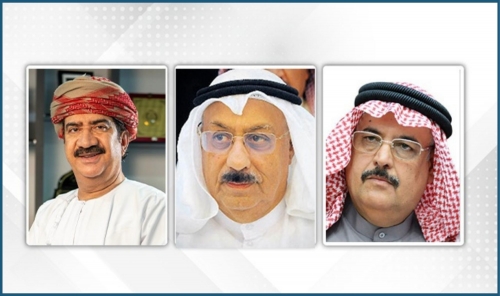

Bahrain recently played host to the 46th Gulf Cooperation Council (GCC) Summit, a significant event underscoring the Kingdom’s pivotal role in fostering regional collaboration and stability. Held in Manama on November 29, 2025, the summit drew praise from Gulf experts and diplomats alike, solidifying Bahrain’s position as a key player in advancing shared Gulf objectives. The gathering took place during a period of complex global shifts, emphasizing the importance of unified action amongst member states.
Bahrain’s Central Role in the 46th GCC Summit
The decision to hold the GCC Summit in Bahrain was viewed as a strategic one, demonstrating the international community’s trust in the Kingdom’s balanced diplomacy, particularly as Bahrain currently holds a non-permanent seat on the UN Security Council. This positioning allowed Bahrain to actively participate in both regional and global affairs while bolstering its image as a strong advocate for cooperation. The summit served not only as a forum for discussion but as a visible symbol of Bahrain’s commitment to promoting unity under the leadership of His Majesty King Hamad bin Isa Al Khalifa.
Experts highlighted a noticeable evolution in Gulf cooperation, driven by a concerted political will and a dedication to addressing shared challenges. This isn’t simply about maintaining the status quo, but proactively developing solutions together. The successful execution of the summit itself is a testament to this ongoing development, showcasing an increasingly advanced level of integration across various critical sectors.
Strengthening Regional Integration and Cooperation
A core theme emerging from the summit was the necessity for deeper integration to navigate an increasingly complex world. Officials involved in the discussions emphasized that this collaboration isn’t merely aspirational; it’s focused on practical implementation of Supreme Council decisions, regularly monitored through detailed reports. This commitment to accountability underscores the seriousness with which Gulf states view the long-term benefits of coordinated efforts.
Economic Advancement Through Unity
Professor Mohammed bin Howeidan from the UAE pointed to the success of the Gulf economies as a model for regional prosperity. He stressed, however, that continued growth demands further joint development projects and a reinforced economic influence globally. Greater coordination in economic policies, investment strategies, and infrastructure development are seen as essential for sustaining this positive momentum. The focus is not only on attracting foreign investment but on building robust internal economies that can withstand external pressures.
Prioritizing Security in a Shifting Landscape
Amidst enduring regional challenges, security remained a paramount concern for all GCC members. A cohesive and coordinated approach, officials argued, is vital to safeguarding the ambitious development goals pursued by each nation. This includes collaboration on defense strategies, counter-terrorism efforts, and addressing emerging security threats. Discussions likely addressed evolving geopolitical risks and the importance of maintaining a stable security environment to foster economic growth and protect citizens.
The GCC: A Model for Arab Cooperation
Many observers consider the GCC to be a leading example of successful Arab collaboration, built on decades of principled diplomacy. Dr. Ayyad Al-Mana’a of Kuwait lauded the Council’s wisdom, balance, and pragmatic handling of regional and international issues, a reputation that has earned it respect on the world stage. This measured approach, prioritizing dialogue and consensus-building, has been instrumental in navigating sensitive situations and promoting stability.
The significance of maintaining strong brotherly ties among member states was also highlighted. Dr. Mohammed bin Ibrahim Al-Zadjali, a former Omani Shura Council member, emphasized that the summit provides an ongoing opportunity to reinforce these relationships and reaffirm a shared destiny. The achievements in stability, economic growth, and overall progress are directly linked to this sustained collaboration.
Bahrain’s Leadership and the Future of the GCC
Media advisor Abdullah Al-Wadaani noted that Bahrain’s selection as host reflects its prominent standing within the GCC and its established ability to foster productive dialogue. The Kingdom’s strong relationships with fellow member states ensure a conducive environment for advancing common interests. The successful completion of the 46th GCC Summit further solidifies Bahrain’s reputation as a reliable and effective partner in regional affairs.
The consensus amongst experts is that the GCC remains a robust and enduring regional organization. This strength stems from strong inter-member relations, a shared vision for the future, and coordinated policies in crucial areas like energy, banking, citizenship, and economic development. These elements collectively enhance the Council’s influence, both within the region and on the global stage.
Ultimately, the 46th GCC Summit in Bahrain reaffirms the commitment of Gulf states to a future defined by unity, cooperation, and shared prosperity. The focus on strategic implementation and addressing evolving challenges suggests that the GCC will continue to play a vital role in shaping the regional landscape for years to come. Further analysis of specific agreements and initiatives arising from the summit will undoubtedly provide a deeper understanding of the Council’s evolving priorities and its continued dedication to a stable and thriving Gulf region.