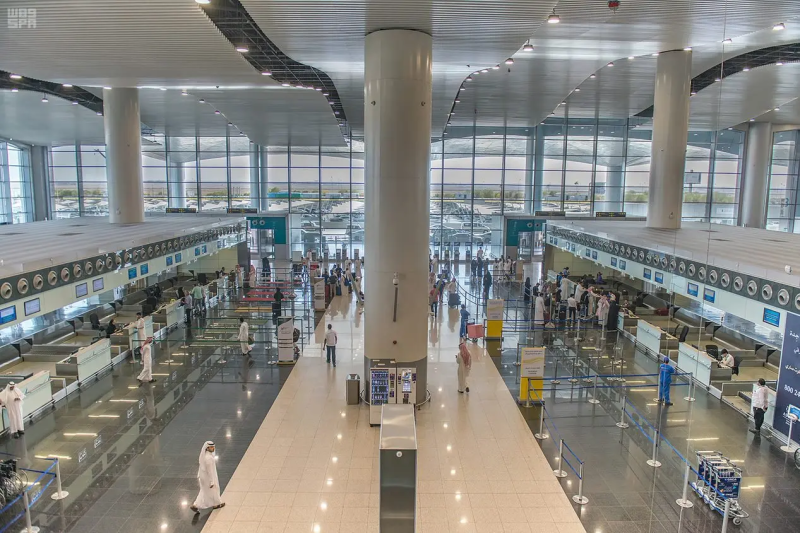

Riyadh’s King Khalid International Airport (KHIA) is preparing for a significant operational overhaul, the most extensive since its opening in 1982. Scheduled to commence in the first quarter of 2026, the transformation aims to modernize infrastructure and improve the overall passenger experience at the key air travel hub. This King Khalid Airport expansion initiative is being led by Riyadh Airports Company in coordination with the General Authority of Civil Aviation (GACA) and Airports Holding Company.
The changes will involve a large-scale reallocation of airlines between the airport’s terminals. This strategic shift comes as Riyadh experiences rapid growth and increasing demand for air travel, necessitating improvements to airport capacity and efficiency. The project reflects Saudi Arabia’s broader Vision 2030 plan, which prioritizes infrastructure development and diversification of the national economy.
Strategic Reconfiguration of King Khalid Airport Terminals
The core of the transformation rests on a revised terminal allocation strategy. Terminal 5 will become exclusively dedicated to international flights operated by foreign carriers. Simultaneously, terminals 3 and 4 will handle all domestic flights within the Kingdom. National carriers will maintain their international operations from terminals 1 and 2.
According to Riyadh Airports, this restructuring is designed to optimize the flow of passengers and reduce congestion. The anticipated benefits include increased terminal capacity, shorter wait times, and a more streamlined travel process. This is particularly important as the airport anticipates a substantial increase in passenger volume in the coming years.
Improving Passenger Flow and Capacity
The redesigns of the terminals will prioritize preserving the airport’s existing architectural identity. This demonstrates a commitment to maintaining the aesthetic character of KHIA while incorporating modern operational improvements. The project aims to balance functionality with the airport’s established design.
The reallocation is expected to significantly enhance passenger movement between facilities. By concentrating specific types of flights within designated terminals, travelers will experience a more intuitive and efficient journey through the airport. This will also allow for more focused resource allocation and improved service delivery.
The Saudi aviation sector has seen considerable growth in recent years, fueled by both religious tourism and an expanding business travel market. The Kingdom is actively investing in its airport infrastructure to accommodate this growth and position itself as a major global aviation hub. This airport modernization is a key component of that strategy.
Coordination and Implementation
Riyadh Airports is working closely with GACA and Airports Holding Company to ensure a smooth transition. A final date for the operational shift will be announced only after all stakeholders, including airlines, have confirmed their readiness. This phased approach is intended to minimize disruption to ongoing flight schedules.
The project also involves upgrades to baggage handling systems, security screening processes, and passenger amenities. These enhancements are intended to align KHIA with international best practices and provide a world-class travel experience. The focus is on creating a more comfortable and convenient environment for passengers.
The initiative builds upon previous investments in KHIA, including the expansion of the Royal Terminal and improvements to runway capacity. However, this latest project represents a more fundamental shift in how the airport operates, aiming for a holistic improvement in efficiency and passenger satisfaction. The airport is also exploring options to integrate more advanced technologies, such as biometric identification and self-service kiosks, to further streamline the travel process.
The wider regional context is also important. Gulf states are engaged in significant competitive investment in their air travel infrastructure, with Dubai and Doha also undertaking major aviation infrastructure development projects. Saudi Arabia’s efforts are aimed at capturing a larger share of the global transit market.
While the specific details of the terminal redesigns remain under wraps, the overall goal is to create a more passenger-centric environment. This includes improved signage, more comfortable seating areas, and a wider range of retail and dining options. The airport is also committed to enhancing accessibility for passengers with disabilities.
The success of this transformation will depend on effective communication and collaboration between all parties involved. Riyadh Airports has emphasized its commitment to transparency and will provide regular updates to airlines and passengers throughout the implementation process. Addressing potential logistical challenges proactively will be crucial.
Looking ahead, the completion of this project in early 2026 is a critical milestone for Riyadh’s aviation sector. The next steps involve finalizing the redesign plans, coordinating with airlines on the terminal relocation process, and conducting thorough testing of the new systems. The ultimate impact on passenger numbers and operational efficiency will be closely monitored in the months and years following the rollout, and further adjustments may be made based on performance data.
The long-term vision for King Khalid Airport includes further expansion and the development of new facilities to accommodate future growth. The current project is seen as a foundational step towards achieving that vision and solidifying Riyadh’s position as a leading global airport.