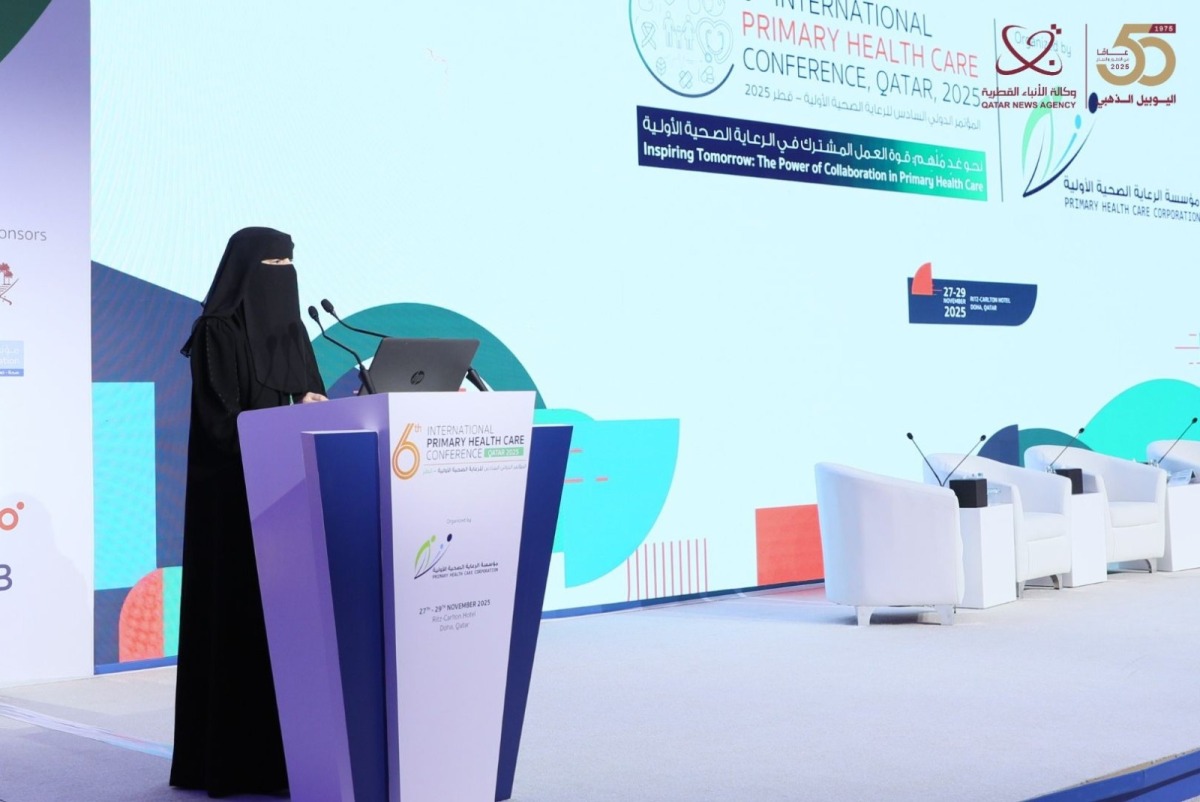

Doha, Qatar – The 6th International Primary Health Care Conference (IPHCC) – Qatar 2025 concluded Saturday with a strong emphasis on bolstering research capabilities within the healthcare system and modernizing health legislation. The conference, attended by approximately 1,000 experts from around the globe, focused on strengthening primary health care in Qatar and promoting collaboration to achieve the nation’s health goals. Key recommendations included expanding digital health services and integrating artificial intelligence while prioritizing patient privacy.
Held under the theme “Inspiring Tomorrow: The Power of Collaboration in Primary Health Care,” the three-day event brought together physicians, specialists, and policymakers to discuss innovation, prevention, and the overall improvement of human health. The conference underscored Qatar’s commitment to a human-centered approach to healthcare development, aligning with the Qatar National Vision 2030.
Strengthening Primary Health Care Through Research and Policy
A central theme of IPHCC 2025 was the need to enhance the research skills of clinical physicians and decision-makers. This investment, according to conference recommendations, will provide the Primary Health Care Corporation (PHCC) with data-driven insights for effective planning, health policies, and preventative measures. Additionally, the conference highlighted the importance of reviewing and updating Qatar’s health legislation, specifically towards establishing a comprehensive professional ethics law, drawing on regional best practices.
Addressing Chronic Diseases and Mental Wellbeing
The conference also addressed the growing challenges of chronic diseases, particularly obesity. Participants emphasized the need to treat obesity not just as a physical ailment, but as a condition requiring psychological and social support. Furthermore, IPHCC 2025 stressed the importance of comprehensive support for lifestyle changes and self-management through organized digital programs.
Mental health, especially among adolescents, was another key focus. Recommendations included establishing early detection systems and clear referral pathways within a national policy framework. The conference also highlighted the critical need to promote employee wellbeing and create safe, supportive work environments to prevent burnout among healthcare professionals. This focus on healthcare worker wellbeing is seen as crucial for maintaining a high-quality health system.
Leveraging Technology and Expanding Digital Health
IPHCC 2025 placed significant emphasis on the role of technology in transforming primary healthcare. Participants called for expanding digital health services by supporting health information-exchange systems and patient applications. The integration of artificial intelligence (AI) into electronic medical records was also discussed, with a strong emphasis on protecting patient privacy and maintaining clinical accountability.
Alongside technological advancements, the conference advocated for strengthening medication safety and standardizing procedures across the entire healthcare system. The potential of complementary medicine was also explored, with recommendations for establishing national policies to regulate its practice and integrate it safely and sustainably into the existing healthcare framework.
Dr. Mariam Ali Abdul Malik, Managing Director of PHCC and Chair of IPHCC, expressed pride in the conference’s successes, emphasizing the importance of teamwork and partnerships. She noted that the scientific outputs generated during the event would have a direct impact on strengthening Qatar’s primary healthcare system and supporting future development plans.
Looking ahead, the PHCC is expected to begin developing detailed implementation plans based on the conference recommendations in the coming months. The timeline for enacting new legislation and establishing national policies remains uncertain, but stakeholders will be closely watching for progress on these fronts. Further investment in health technology and workforce development will likely be key areas of focus as Qatar continues to build a more robust and sustainable healthcare system.
A specialized exhibition held alongside the conference showcased the latest medical innovations and health technologies from local and international institutions, providing a platform for knowledge sharing and collaboration.