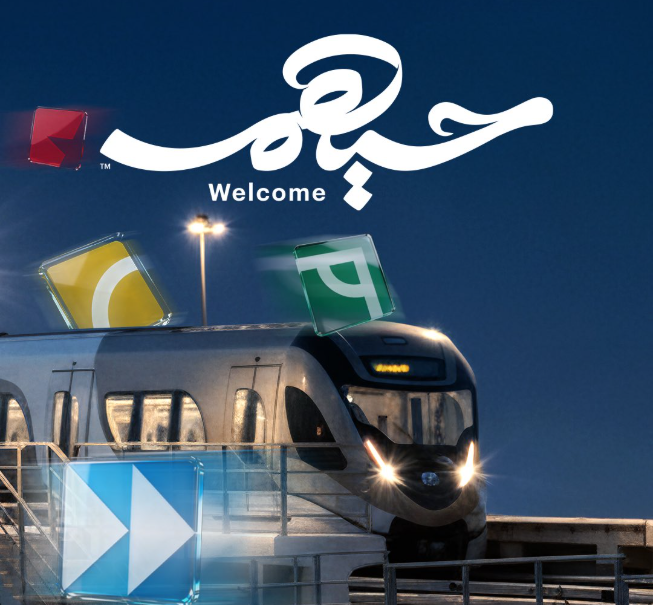

Doha, Qatar – Ticket holders for the FIFA Arab Cup Qatar 2025 will receive complimentary access to the Doha Metro system throughout the tournament, the Supreme Committee for Delivery and Legacy announced this week. This initiative aims to ease transportation for the expected influx of fans and provide a seamless experience during the competition. The FIFA Arab Cup, scheduled for December 1-18, is anticipated to draw significant crowds to Qatar.
The free metro access will be available on match days to anyone presenting a valid same-day ticket at any Doha Metro station. Organizers have already reported strong ticket sales, exceeding 700,000, signaling considerable regional interest in the tournament. This transportation benefit is part of a broader effort to ensure a successful and accessible event for all attendees.
Enhancing Fan Experience with Free Doha Metro Access for the FIFA Arab Cup
The decision to waive metro fares for ticket holders is a key component of Qatar’s strategy to manage logistical challenges associated with large-scale sporting events. Qatar has invested heavily in its public transportation infrastructure, including the Doha Metro, in recent years. This investment was initially spurred by preparations for the 2022 FIFA World Cup, and continues to benefit events like the Arab Cup.
Metro Network Capacity and Coverage
The Doha Metro currently comprises three lines – Red, Green, and Gold – connecting key locations across the city, including Hamad International Airport, West Bay, and Lusail. The network is designed to handle high passenger volumes, and officials are confident it can accommodate the increased demand during the Arab Cup. Further expansions to the metro network are planned, but are not expected to be completed before the tournament.
However, the metro system does not directly serve all stadiums hosting matches. Fans traveling to venues not directly accessible by metro will likely need to utilize other transportation options, such as buses or taxis. The Ministry of Transport has indicated that additional bus services will be deployed to supplement the metro during peak hours.
Additionally, the free metro access is intended to encourage the use of public transport and reduce traffic congestion around stadiums. This aligns with Qatar’s broader sustainability goals and its commitment to hosting environmentally responsible events. The initiative also aims to provide a convenient and cost-effective travel option for fans, particularly those staying in accommodations further from the match venues.
The Qatar government has been proactive in leveraging the infrastructure developed for the 2022 World Cup. The success of that event demonstrated the country’s ability to host major international competitions and manage the associated logistical complexities. This experience is being directly applied to the planning and execution of the FIFA Arab Cup.
The announcement regarding free metro access follows other measures aimed at facilitating a positive experience for visitors. These include streamlined visa processes and the availability of dedicated fan zones. The Supreme Committee for Delivery and Legacy is also working closely with hotels and tour operators to ensure adequate accommodation and travel arrangements are in place. Tournament travel is expected to be a significant boost to the local economy.
Looking ahead, organizers will continue to monitor ticket sales and refine transportation plans as the tournament approaches. The final schedule of bus services and other logistical details will be released closer to the event. The effectiveness of the free metro access initiative will be closely evaluated, and lessons learned will inform future event planning. The potential impact of unforeseen circumstances, such as weather conditions or security concerns, remains a key consideration.
The next step involves finalizing the detailed operational plan for the Doha Metro during the FIFA Arab Cup, including staffing levels and security protocols. A deadline for the release of the full transportation schedule has not yet been announced, but is expected in November. Stakeholders will be watching closely to see how effectively the transportation system manages the anticipated influx of fans.