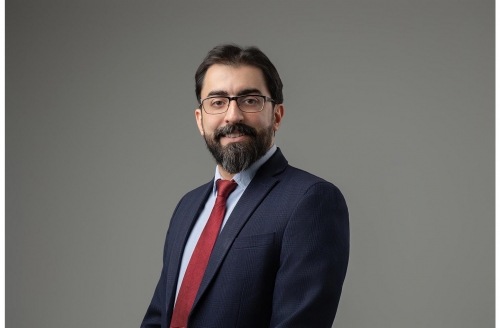

Bahrain has cemented its position as a leader in advanced medical care with the successful completion of the Kingdom’s first Corneal Allogenic Intrastromal Ring Segments (CAIRS) procedure. This groundbreaking surgery, performed at Dr. Haifa Eye Hospital, offers a novel and highly promising treatment for keratoconus, a debilitating eye condition affecting vision for countless individuals. Led by renowned ophthalmologist Dr. Abdulhameed Hashem, this achievement represents a significant step forward for both the hospital and the overall ophthalmic capabilities within the region.
Understanding Keratoconus and the Need for CAIRS
Keratoconus is a progressive, non-inflammatory disorder of the cornea – the clear front surface of the eye. Instead of maintaining its normal round shape, the cornea gradually becomes thinner and bulges outwards into a cone-like form. This distortion leads to increasingly blurred and distorted vision, making everyday tasks like reading and driving difficult.
Traditional treatments for keratoconus have included glasses, contact lenses, and, in advanced cases, corneal transplants. Intrastromal ring segments (ICRS) were also introduced as a less invasive alternative, utilizing plastic rings to reshape the cornea. However, these plastic rings aren’t without their limitations, including potential issues with biocompatibility and the risk of extrusion or inflammation.
This is where CAIRS emerges as a superior option. Unlike its plastic counterpart, CAIRS utilizes natural human tissue, offering improved integration and reduced potential for complications.
The Pioneering CAIRS Procedure at Dr. Haifa Eye Hospital
The surgery, meticulously planned and executed by Dr. Abdulhameed Hashem, Consultant of Ophthalmology and Specialist in Corneal Diseases, Cataracts and Vision Correction Operations, took just 15 minutes to complete. This minimal invasiveness is a major advantage for patients.
Advanced Technology & Precision
A crucial component of the successful CAIRS implementation was the utilization of advanced 3D corneal imaging. This technology allowed Dr. Hashem and his team to gain an incredibly detailed understanding of each patient’s unique corneal topography.
“Precise planning is paramount with any corneal surgery, especially one as innovative as CAIRS,” explained Dr. Hashem. “The 3D imaging allows us to accurately determine the optimal size, thickness, and placement of the tissue rings, maximizing the potential for visual improvement.” This detailed assessment ensures a tailored approach, increasing the chances of successful outcomes.
The use of natural, allogenic tissue means the rings are highly biocompatible, reducing the risk of rejection or inflammation. The tissue is carefully sourced and processed to ensure safety and efficacy.
Benefits of CAIRS Compared to Traditional Treatments
The key benefit of CAIRS lies in its ability to address the underlying biomechanical issues in keratoconus without completely replacing the cornea, as in a full transplant. Here’s how it compares:
- Biocompatibility: Human tissue has a significantly lower risk of causing an immune response compared to synthetic materials.
- Reduced Complications: Early results suggest CAIRS has a lower rate of complications like infection, inflammation, and ring extrusion compared to traditional ICRS.
- Faster Recovery: Patients typically experience a noticeable improvement in vision within days of the procedure, with a relatively quick recovery period.
- Suitable for a Wider Range of Patients: CAIRS expands treatment options for those who may not be ideal candidates for plastic ring implants.
Dr. Hashem reported excellent outcomes, with patients demonstrating significant gains in visual acuity and a reduction in astigmatism. This offers a renewed hope for individuals struggling with the challenges posed by progressing keratoconus.
Bahrain Emerging as a Regional Ophthalmic Hub
This successful implementation of CAIRS further solidifies Bahrain’s growing reputation as a leading destination for specialized medical care, particularly in the field of ophthalmology. The decision to embrace and offer this innovative treatment demonstrates a commitment to providing patients with access to the most advanced technologies and techniques available.
Furthermore, Dr. Haifa Eye Hospital’s expertise in corneal surgery, combined with its investment in cutting-edge diagnostic equipment, is attracting patients from across the Gulf region. The hospital’s dedication to research and training also ensures that the skills and knowledge necessary to perform these complex procedures are continually refined and disseminated.
The long-term implications of this achievement are substantial. It not only improves the quality of life for individuals with keratoconus but also fosters a collaborative environment for advancing ophthalmic treatment options throughout the Middle East. Notably, advancements in vision correction are growing in demand regionally.
Looking Ahead: The Future of Corneal Treatment
The success of the CAIRS procedure at Dr. Haifa Eye Hospital opens doors for further research and development in the field of corneal disease treatment. Exploring new biomaterials and refining surgical techniques will continue to be crucial in optimizing outcomes for patients with conditions like keratoconus and other corneal dystrophies.
The hospital plans to expand its CAIRS program, offering this life-changing treatment to a greater number of patients. They also aim to share their expertise and collaborate with other medical centers in the region, ultimately contributing to a higher standard of ophthalmic care for all.
If you or someone you know is experiencing symptoms of keratoconus, such as blurry or distorted vision, halos around lights, or increased sensitivity to light, it is crucial to consult with a qualified ophthalmologist. Early diagnosis and treatment can help slow the progression of the disease and preserve vision. Contact Dr. Haifa Eye Hospital or your local eye care professional to learn more about CAIRS and other available treatment options.