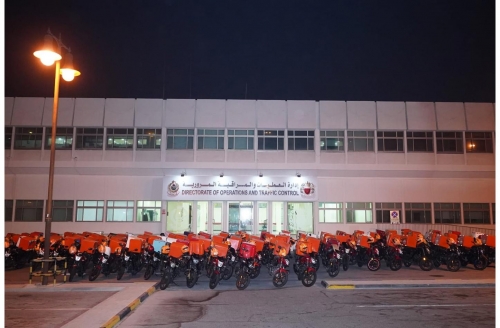

Bahrain is intensifying its efforts to improve road safety, recently impounding a significant number of vehicles for traffic violations. This crackdown, carried out by civil traffic patrols over the past two days, highlights the Kingdom’s commitment to responsible road use and reducing accidents. The initiative focuses on addressing common, yet dangerous, behaviours exhibited by motorcyclists and delivery service drivers, ultimately aiming for a safer environment for all road users.
Bahrain Cracks Down on Traffic Violations: 169 Vehicles Impounded
The General Directorate of Traffic in Bahrain announced the impoundment of 169 motorcycles and delivery vehicles due to a range of traffic offences. This action underscores a zero-tolerance policy towards behaviours that jeopardize public safety. The impounded vehicles represent a concentrated effort to address issues that have been consistently identified as contributing factors to road incidents.
The recent operation wasn’t a random sweep. Instead, it targeted specific violations that pose immediate risks to drivers, passengers, and pedestrians. These included improper parking, which obstructs traffic flow and visibility, and the particularly dangerous practice of riding without a helmet.
Specific Offences Leading to Impoundment
The list of infractions extends beyond these common issues. Civil traffic patrols also focused on:
- Lane indiscipline: Drivers failing to maintain their lane and causing disruption.
- Emergency Lane Usage: Illegal driving in lanes reserved for emergency vehicles.
- Pedestrian Path Crossings: Disregarding designated pedestrian walkways.
- Reckless Driving: Actions demonstrating a blatant disregard for safety regulations.
Each driver associated with an impounded vehicle is now facing legal consequences, demonstrating the seriousness with which Bahrain views these violations. This firm stance is intended to deter future offences and promote a culture of responsible driving.
Strengthening Road Safety Through Increased Enforcement
The General Directorate of Traffic has explicitly stated its intention to continue taking “stringent action” against traffic offenders. This isn’t simply about issuing fines; it’s about holding individuals accountable for choices that put lives at risk. The Directorate specifically praised the work of civilian traffic patrols, recognizing their crucial role in identifying and reporting dangerous driving behaviours.
This reliance on civilian involvement is a key component of Bahrain’s traffic management strategy. By empowering citizens to contribute to road safety, the Directorate expands its monitoring capabilities and fosters a sense of collective responsibility. The patrols are equipped to accurately document violations, ensuring efficient processing of legal action.
The Importance of Compliance and Community Partnership
Beyond enforcement, the Directorate emphasized the vital need for all road users, particularly motorcyclists, to adhere to traffic laws. This includes understanding and respecting speed limits, traffic signals, and lane markings. They also highlighted the importance of maintaining vehicles in safe operating condition.
However, regulations alone aren’t enough. The Directorate actively promotes traffic awareness campaigns designed to educate drivers and pedestrians about safe road practices. These campaigns often focus on the dangers of distracted driving, the importance of seatbelt use, and the vulnerability of motorcyclists.
Furthermore, the Directorate stressed that a strong partnership between the community and traffic authorities is essential for creating safer roads. This partnership involves reporting dangerous behaviours, participating in traffic safety initiatives, and promoting a culture of respect for traffic regulations. A collaborative approach, they believe, is far more effective than enforcement alone.
Looking Ahead: A Continued Commitment to Safer Roads
Bahrain’s recent actions demonstrate a clear and unwavering commitment to improving road safety for all. The impoundment of 169 vehicles serves as a powerful message to those who disregard traffic laws. The Directorate’s focus on both enforcement and education, coupled with the active involvement of civilian patrols, represents a comprehensive strategy for tackling the issue of road accidents.
The success of this initiative will depend on continued vigilance and a collective effort from all stakeholders. By prioritizing responsible driving and fostering a strong sense of community ownership, Bahrain can move closer to its goal of creating a road network where safety is paramount. It is crucial for all residents and visitors to understand and abide by the traffic regulations to contribute to a safer environment for everyone. The Directorate encourages ongoing feedback and participation from the public to further refine and enhance its road safety programs.