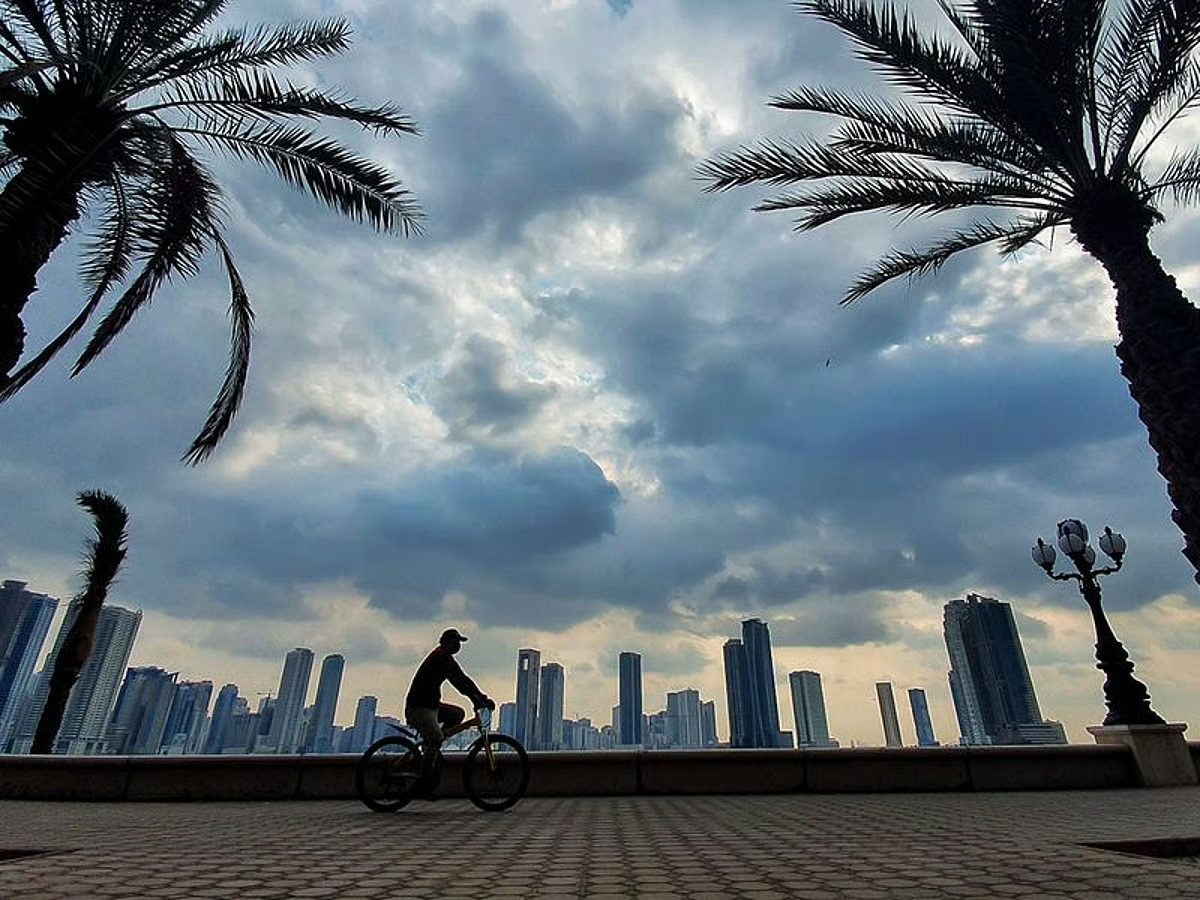

Residents across the United Arab Emirates can expect a significant shift in weather conditions starting Wednesday, as a new weather system moves into the region. The National Center of Meteorology (NCM) forecasts cooler temperatures, increased cloud cover, and intermittent rainfall across various parts of the country through Saturday. This change marks a departure from the recent warm spell and signals the potential for more seasonal weather.
The approaching weather system will primarily affect areas across the northern and eastern regions of the UAE, with a possibility of extending to internal areas. The period of impact is expected to last from Wednesday, November 29th, through Saturday, December 2nd. Authorities are advising residents to stay updated on the latest forecasts and take necessary precautions for changing conditions.
Understanding the Incoming Rainfall and Cooler Temperatures
The NCM attributes the shift in weather to an approaching low-pressure system extending from the Red Sea. This system is drawing in moisture from the Arabian Gulf and the Sea of Oman, creating conditions favorable for cloud formation and precipitation. The intensity of the rainfall is currently predicted to be light to moderate, but localized heavier showers cannot be ruled out, particularly in mountainous areas.
Regional Variations in Weather Impact
The northern emirates, including Ras Al Khaimah and Fujairah, are anticipated to experience the most significant impact from the weather system. These areas are likely to see the highest probability of rainfall and the most noticeable drop in temperatures. Coastal areas will also experience increased humidity levels.
Meanwhile, the western regions of Abu Dhabi and Dubai are expected to see a more gradual cooling trend with less frequent rainfall. However, cloud cover will still be significantly increased, reducing sunshine hours. The southern regions may experience minimal impact from the system.
Additionally, the sea state is expected to become moderately choppy, particularly along the northern and eastern coasts. The NCM has issued advisories for marine activities, urging caution and potentially suspending operations depending on conditions. This is a standard precaution during periods of increased wind and wave activity.
Why This Weather Change is Notable
This weather system represents a notable change from the relatively warm conditions experienced across the UAE in recent weeks. November typically marks a transition period between the hot summer months and the milder winter season. However, this year has seen prolonged warmer temperatures.
The anticipated rainfall is also significant, as the UAE receives limited precipitation annually. Any substantial rainfall is welcomed as a replenishment of groundwater resources and a boost to the arid landscape. The current forecast suggests this event will not be a major rainfall event, but it will still contribute to overall moisture levels.
In contrast to previous weather patterns, this system is not directly linked to a tropical cyclone. It is a more typical winter weather pattern associated with low-pressure systems moving across the region. This distinction is important as it suggests a less intense and more predictable weather event.
The Ministry of Climate Change and Environment has been coordinating with relevant authorities to ensure preparedness for the changing weather conditions. This includes monitoring infrastructure, ensuring drainage systems are clear, and preparing emergency response teams. Public awareness campaigns are also underway to inform residents about safety measures.
The cooler temperatures are expected to range from the mid-20s to low 30s Celsius (mid-70s to high 80s Fahrenheit) during the day, with nighttime lows potentially dropping to the low 20s Celsius (low 70s Fahrenheit) in some areas. This represents a significant decrease from the recent daytime highs of over 35 Celsius (95 Fahrenheit). The change in temperature may also impact agricultural practices, requiring adjustments to irrigation schedules.
The potential for increased cloud cover and reduced visibility could also affect transportation, particularly air travel. Travelers are advised to check with airlines for any potential delays or cancellations. Road users should exercise caution and reduce speed in wet conditions. The NCM will continue to issue updates on visibility levels as the weather system progresses.
Looking ahead, the NCM indicates that the weather system is expected to gradually dissipate by Saturday evening. However, the possibility of lingering cloud cover and cooler temperatures remains. Residents should continue to monitor weather updates for any further changes. The long-term forecast suggests a return to more stable and seasonal weather conditions in the following week, with moderate temperatures and clear skies. Further analysis of the system’s trajectory will be crucial in refining the forecast and providing more accurate predictions.