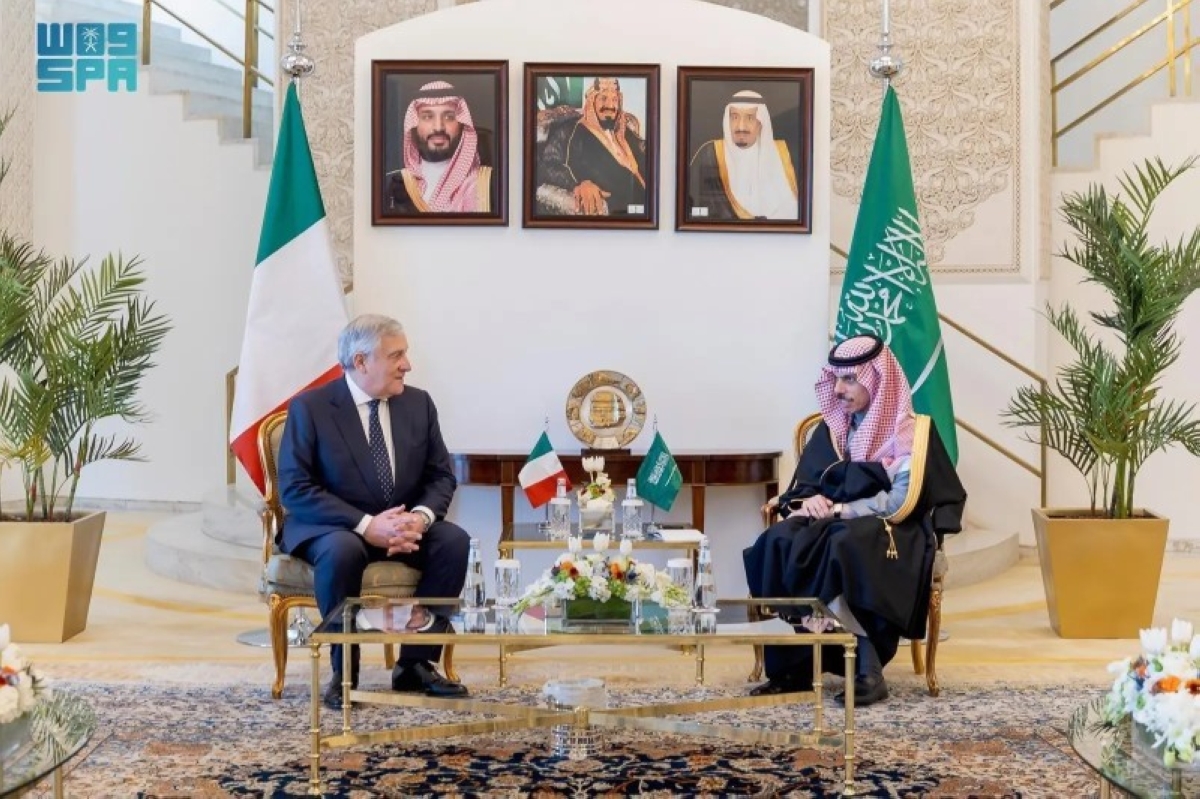

RIYADH — Saudi Arabia is reinforcing diplomatic ties with key European and Gulf partners, as evidenced by discussions held by Foreign Minister Prince Faisal bin Farhan with Italian and Bahraini counterparts in Riyadh on Tuesday. The meetings focused on strengthening Saudi Arabia’s relations with Italy and Bahrain, alongside a review of pressing regional and international matters. These talks signal continued Saudi efforts to diversify partnerships and play a leading role in addressing global challenges.
Prince Faisal first met with Italian Deputy Prime Minister and Minister for Foreign Affairs and International Cooperation Antonio Tajani, and later received Bahrain’s Minister of Foreign Affairs Abdullatif Alzayani. Both meetings took place at the Ministry’s headquarters in the Saudi capital. The discussions underscore the Kingdom’s commitment to collaborative diplomacy and economic growth.
Strengthening Bilateral Relations and Regional Security
The meetings with both Italy and Bahrain highlight Saudi Arabia’s active diplomatic posture in early 2024. The Saudi Ministry of Foreign Affairs stated both discussions covered ways to deepen cooperation across various sectors, though specifics were not immediately released. Improving relations with Italy, a major European economy, reflects Saudi Arabia’s broader strategy of diversifying economic partnerships beyond traditional allies.
Italy is a significant trade partner for Saudi Arabia, particularly in energy and defense. A recent report indicates increasing Italian investment in the Kingdom’s Vision 2030 diversification projects. This focus aligns with Saudi Arabia’s efforts to reduce its reliance on oil revenue and develop new industries.
Focus on Economic Cooperation
While details remain limited, it’s likely that energy security, sustainable development, and potential joint ventures were central themes in the discussions with Italy. Saudi Arabia is currently the world’s largest oil exporter, and Italy is a major consumer. Further collaboration could solidify energy supply chains.
The Kingdom is also actively courting foreign investment in its tourism sector, along with infrastructure projects like NEOM. Experts suggest that Italian expertise in construction and design could prove valuable. These expansion efforts are vital for realizing Vision 2030 and achieving long-term economic stability.
The meeting with Bahraini Foreign Minister Alzayani naturally prioritized bilateral ties rooted in shared history and Gulf Cooperation Council (GCC) membership. The two nations share common security concerns, particularly regarding regional stability and counter-terrorism efforts. Continued close coordination is viewed as essential for addressing these challenges.
Addressing Regional Challenges
Both sets of discussions included a comprehensive review of current regional and international developments. The ongoing conflicts in Yemen, Sudan, and the Gaza Strip were undoubtedly key talking points. Saudi Arabia has been a central mediator in Yemen, and is providing humanitarian aid to both Sudan and Gaza.
The situations in Yemen and Sudan are particularly sensitive given Saudi Arabia’s geographic proximity and vested interests in maintaining regional stability. The Ministry of Foreign Affairs emphasized the importance of finding peaceful resolutions to these conflicts. Additionally, Saudi Arabia has strongly condemned violence against civilians in Gaza and reiterated its support for a two-state solution.
Furthermore, discussions likely addressed Iran’s regional activities and the need for de-escalation. Saudi Arabia and Iran restored diplomatic relations in 2023, following years of strained ties. Maintaining this dialogue is considered important by both nations and key international observers.
The meetings also offered an opportunity to discuss broader global issues, such as climate change and international trade. Saudi Arabia has pledged significant investments in renewable energy and is actively promoting initiatives to combat desertification. These efforts align with global sustainability goals.
In contrast to some previous diplomatic engagements, these meetings appeared focused on consolidating existing partnerships rather than forging entirely new alliances. This indicates a shift towards deepening collaborations with established allies, rather than aggressively pursuing new relationships.
The Italian Foreign Ministry subsequently released a statement noting shared objectives regarding the stability of the Mediterranean region and the need for a collective response to emerging threats. It also highlighted the importance of expanding collaboration in areas like technology and cybersecurity to enhance Saudi Arabia’s relations into the future.
The Bahraini News Agency reported that Alzayani and Prince Faisal reaffirmed their mutual commitment to strengthening ties and addressing challenges. They expressed satisfaction with the progress made in several joint initiatives. This suggests a continued close working relationship between the two Gulf states.
Looking ahead, further details regarding specific agreements or initiatives resulting from these meetings are expected in the coming weeks. Analysts will be closely watching for any concrete steps towards increased investment, trade, or security cooperation. The success of these diplomatic efforts will likely be measured by their impact on regional stability and economic diversification within Saudi Arabia’s framework. Ongoing monitoring of Saudi Arabia’s foreign policy, particularly its engagement with key partners, remains crucial. The next major diplomatic event for Prince Faisal is expected to be the Munich Security Conference in February, where he will likely continue these discussions and address broader international security concerns. The extent to which these bilateral talks translate into tangible outcomes regarding regional security will be a significant point of observation.
The Kingdom’s proactive diplomatic approach signals its continued ambition to be a major player on the world stage, shaping regional events and diversifying its economic portfolio. This commitment to international cooperation will define its trajectory in the coming years.