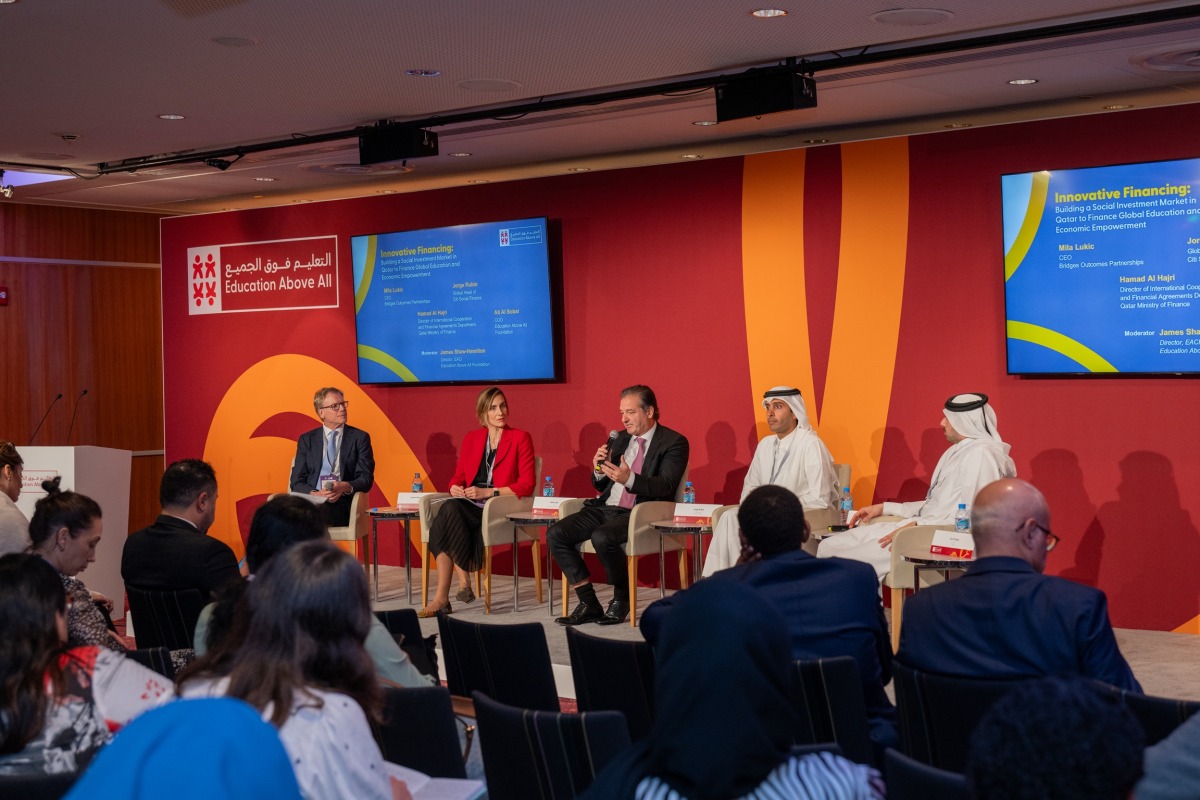

Doha, Qatar – The Education Above All (EAA) Foundation actively participated in the 12th World Innovation Summit for Education (WISE 12), focusing on critical issues surrounding digital dignity, access to higher education for displaced youth, and the burgeoning field of green entrepreneurship. Through a series of sessions held on the second day of the summit, EAA reaffirmed its dedication to fostering equitable and innovative learning environments that empower young people and build resilient communities globally.
The annual WISE summit, which concluded today, brought together education leaders, policymakers, and innovators from around the world to discuss solutions to pressing educational challenges. EAA’s contributions centered on leveraging technology and partnerships to overcome barriers to education, particularly for vulnerable populations. The foundation’s involvement underscores the growing importance of inclusive education in a rapidly changing world.
Protecting Digital Rights and Expanding Access with Digital Dignity
A key session, “From Data to Dignity: Technology and the Right to Education,” explored the ethical implications of using digital tools in education. The discussion, led jointly by EAA’s Educate A Child (EAC) and Protect Education in Insecurity and Conflict (PEIC) programs, highlighted the need to safeguard learners’ rights and privacy while utilizing data to improve educational outcomes. Participants emphasized the importance of secure learning environments and monitoring attacks on education.
Frank Van Cappelle of UNICEF’s Global Learning Innovation Hub, Biplove Choudhary of UNDP, and Christina Wille of Insecurity Insight contributed to the session, sharing insights on data-driven approaches. The conversation also highlighted strengthening partnerships with organizations like UNICEF and UNDP to advance these goals. According to EAA, these collaborations are crucial for upholding dignity and equity in education.
Higher Education Pathways for Displaced Youth
Another EAA-led session, “From Camps to Campuses: Policy, Partnerships and Pathways for Higher Education Access,” addressed the challenges faced by displaced and refugee youth in accessing higher education. The discussion focused on successful models for transitioning these students from crisis situations into university learning, with a particular emphasis on supporting women.
Panelists, including representatives from the Institute of International Education (IIE) and NAFSA, Association of International Educators, underscored the transformative power of higher education in restoring dignity and building long-term resilience for communities affected by forced migration. The session drew on research from EAA’s Public Policy Observatory and other leading institutions.
The Future of Work and Green Entrepreneurship
EAA’s Silatech Programme led a session examining the intersection of digital transformation, climate change, and youth economic empowerment. “Future Ready: AI, Education and Green Entrepreneurship for Youth” explored how artificial intelligence can drive economic opportunities for young people while simultaneously fostering climate-responsive solutions. The discussion highlighted the need to equip youth with the skills necessary to thrive in evolving labor markets.
Participants, including Mana Al-Ansari, Chief Economic Empowerment Officer at EAA, discussed the importance of fostering green entrepreneurship and providing access to relevant training programs. The session also featured insights from Gojo Inc., the ILO, and UNICEF’s Generation Unlimited initiative. The focus on youth empowerment through skills development was a recurring theme.
Mana Al-Ansari stated that EAA’s sessions demonstrate the foundation’s commitment to ensuring technology, higher education, and economic opportunity work together to protect the right to learn and empower young people. She emphasized that human values must guide innovation and that education remains the most powerful tool for building resilient societies.
Looking ahead, EAA Foundation plans to continue expanding its partnerships and scaling up successful programs to reach more vulnerable learners. The foundation will likely focus on integrating AI responsibly into its educational initiatives and further developing pathways to higher education for displaced youth. Monitoring the impact of these programs and adapting strategies based on evolving needs will be crucial in the coming years, particularly as global displacement and climate change continue to present significant challenges to equitable access to education and lifelong learning.