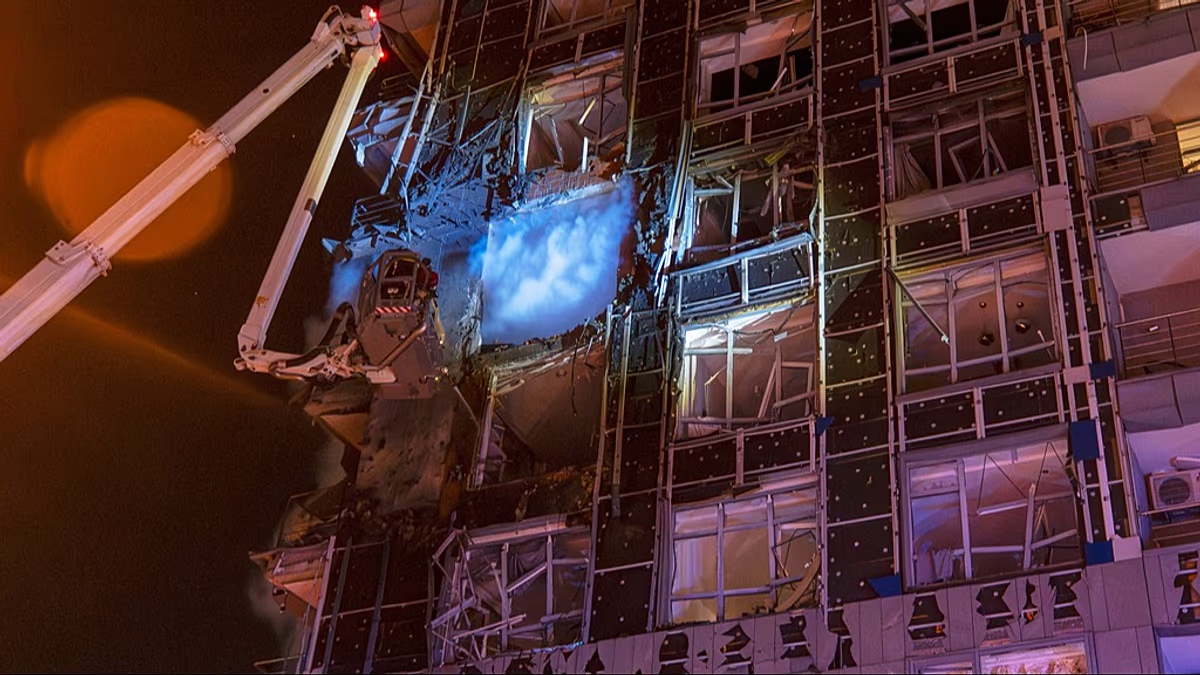

Russia launched a series of aerial attacks targeting multiple Ukrainian cities overnight, including Kyiv and the Sumy region, even as diplomatic efforts continue to find a resolution to the ongoing conflict. The strikes, which included drone and missile attacks, caused damage to residential buildings and energy infrastructure, according to Ukrainian officials. These developments underscore the continued intensity of the Russia-Ukraine war despite recent peace talks.
Kyiv Mayor Vitalii Klitschko reported significant damage to buildings in the Pechersk and Dniprovskyi districts. Ukraine’s energy ministry confirmed that energy facilities were also targeted, though details regarding the extent of the damage remain limited. The attack occurred shortly after discussions between US and Ukrainian representatives in Geneva regarding a potential peace plan.
Recent Russian Strikes Intensify Ukraine Conflict
The overnight barrage represents a continuation of Russia’s military operations in Ukraine, now entering its fourth year. Attacks have consistently targeted critical infrastructure, aiming to disrupt power and heating supplies, particularly as winter approaches. The Sumy region also experienced a direct hit on a service truck by a Russian drone, further illustrating the widespread nature of the assault.
According to reports, the strikes began in the early hours of Tuesday, November 26th, and continued sporadically throughout the morning. Emergency services are currently on the scene assessing the damage and assisting residents. The extent of casualties is still being determined, with authorities prioritizing rescue efforts.
Diplomatic Efforts and the Geneva Talks
These attacks occurred following a weekend of negotiations in Geneva between US and Ukrainian officials focused on brokering a peace agreement with Russia. Oleksandr Bevz, a member of the Ukrainian delegation, described the talks as “very constructive,” stating that most points were discussed.
However, Kremlin spokesperson Dmitry Peskov indicated that Russia has not yet received an updated version of the proposed peace plan following the conclusion of the Geneva discussions. This suggests a degree of skepticism or a lack of immediate engagement from the Russian side. The US has not yet commented publicly on Peskov’s statement.
Impact on Ukraine’s Energy Infrastructure
The targeting of Ukraine’s energy infrastructure is a recurring theme in Russia’s military strategy. The recent strikes raise concerns about potential power outages and disruptions to essential services during the cold winter months. Maintaining a stable energy supply is crucial for both civilian populations and ongoing military operations.
The Ukrainian government has been working to bolster its air defenses and repair damaged infrastructure, but the ongoing attacks are placing a significant strain on resources. International aid has been instrumental in providing financial and technical support for these efforts.
Meanwhile, the situation in the Sumy region remains particularly volatile, with officials reporting repeated Russian strikes in the area. This suggests a focused effort to destabilize the region and potentially create a buffer zone. The attack on the service truck highlights the risks faced by civilian personnel working in areas near the front lines.
The latest escalation comes amidst a complex geopolitical landscape, with continued international political tensions surrounding the conflict. The United States and European Union have maintained a strong stance of support for Ukraine, providing substantial military and financial assistance, but have also expressed a desire for a peaceful resolution.
Looking ahead, the success of ongoing diplomatic efforts remains uncertain. The immediate priority is addressing the damage caused by the recent attacks and providing humanitarian assistance to those affected. Monitoring Russia’s response to the updated peace plan, and whether further escalation occurs, will be key indicators of the conflict’s future trajectory. Continued international pressure and support for Ukraine will be critical in navigating this complex and evolving situation.