





Doha, Qatar is preparing to host the highly anticipated FIFA Arab Cup 2025, a regional football tournament scheduled to run from December 1st to 18th, 2025. Sixteen national teams from across the Arab world will compete for the championship title in six of Qatar’s state-of-the-art stadiums. The event is expected to draw significant international attention and boost tourism within the country, building on the success of previous editions and the 2022 FIFA World Cup.
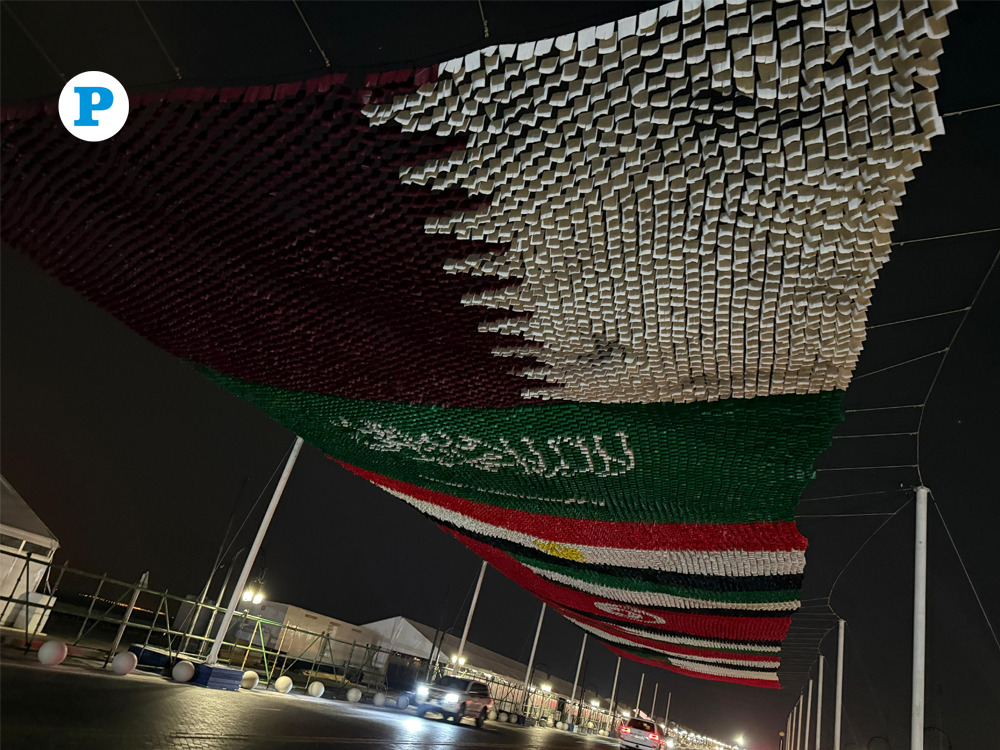
The tournament will be held across six venues: Al Bayt Stadium, Lusail Stadium, Khalifa International Stadium, Ahmad Bin Ali Stadium, Stadium 974, and Education City Stadium. Preparations are well underway, with visible decorations already appearing at key locations like Old Doha Port, Lusail Boulevard, Souq Waqif, Msheireb Downtown Doha, and the areas surrounding the stadiums. Organizers report over 430,000 tickets have already been sold through the Road to Qatar platform.
The Significance of the FIFA Arab Cup 2025
The FIFA Arab Cup serves as a crucial platform for developing football talent within the Arab region. It provides competitive international exposure for national teams and fosters a sense of unity and sportsmanship among participating nations. This year’s competition is particularly significant as it allows Qatar to demonstrate its continued commitment to hosting major sporting events following the successful 2022 World Cup.
Building on Past Success
Qatar previously hosted the Arab Cup in 2021, which saw record-breaking attendance figures and a vibrant atmosphere throughout the country. That tournament was viewed as a successful dress rehearsal for the 2022 FIFA World Cup, allowing organizers to refine logistical operations and test stadium infrastructure. The 2025 edition aims to capitalize on that experience and deliver an even more polished and engaging event for fans.
Additionally, the tournament is expected to provide a substantial economic boost to Qatar’s tourism sector. Hotels, restaurants, and local businesses are anticipating increased revenue during the event. The influx of visitors will also showcase Qatari culture and hospitality to a global audience.
Cultural and Entertainment Events
Beyond the football matches themselves, the FIFA Arab Cup 2025 will feature a diverse range of cultural performances and entertainment activities. These events are designed to enhance the overall fan experience and celebrate the rich heritage of the Arab world. Organizers are planning festivities at various locations throughout Doha, including Old Doha Port, which is currently being decorated with flags representing the participating countries.
These cultural offerings are intended to create a festive atmosphere and attract both residents and tourists. The inclusion of entertainment options aims to broaden the appeal of the tournament beyond dedicated football fans, fostering a more inclusive and engaging experience for all.
Ticket Sales and Accessibility
Tickets for the FIFA Arab Cup are available for purchase online through the official Road to Qatar platform. The high demand for tickets suggests strong public interest in the tournament. Pricing varies depending on the match and seating category, with organizers aiming to make the event accessible to a wide range of fans. Further details regarding ticket availability and pricing can be found on the official tournament website. Road to Qatar
The availability of transportation options and accommodation is also being closely monitored to ensure a smooth experience for visitors. Qatar’s extensive public transportation network, including the Doha Metro and bus system, will be utilized to facilitate movement between stadiums and other key locations.
Looking ahead, organizers will focus on finalizing logistical arrangements and ensuring the smooth operation of all tournament-related activities. The success of the FIFA Arab Cup 2025 will be measured not only by the quality of the football played but also by the overall experience provided to fans and the positive impact on Qatar’s tourism and economy. Potential disruptions due to regional geopolitical factors remain a consideration, and organizers will continue to monitor the situation closely.