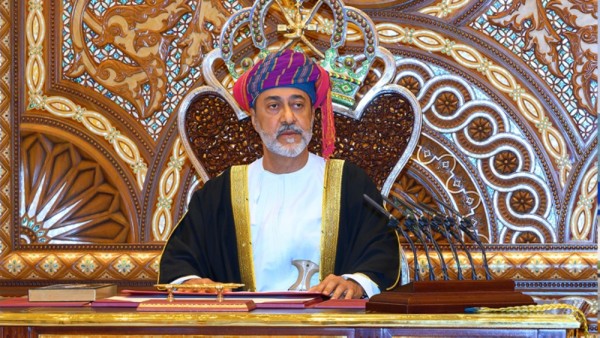

In a profound display of compassion and national unity, His Majesty Sultan Haitham bin Tarik has issued a royal pardon to 247 inmates across the Sultanate of Oman. This significant act of clemency, timed to coincide with the joyous occasion of Oman’s National Day, underscores the Sultan’s commitment to social welfare and the well-being of Omani families. The royal pardon resonates deeply with the nation, embodying the spirit of forgiveness and a focus on rehabilitation.
A Generous Royal Pardon for National Day
The decree, announced recently, extends freedom to both Omani citizens and foreign nationals convicted of a variety of offenses. This royal pardon is more than just a release from imprisonment; it represents a gesture of goodwill and a reaffirmation of core Omani values. It reflects His Majesty’s dedication to building a society founded on compassion, understanding, and inclusivity.
The timing of this announcement, linked to the celebration of National Day, is particularly symbolic. National Day celebrations in Oman are a time for reflection on the nation’s progress, unity, and future aspirations and this act of mercy fits seamlessly into that narrative. The act reinforces the idea of a strong and caring nation looking towards a brighter future for all its people.
Considering the Families of the Inmates
A critical element underlying His Majesty’s decision is the consideration given to the families affected by the incarceration of these individuals. The impact of imprisonment extends far beyond the individual, often creating significant hardship for spouses, children, and parents. Recognizing this, His Majesty’s royal pardon aims to alleviate suffering and offer a chance for families to rebuild their lives.
The Social and Psychological Impact of Imprisonment
It’s well documented that imprisonment can have devastating social and psychological consequences, both for the inmate and their loved ones. The reintegration process after release can be particularly challenging. This act of clemency offers a crucial opportunity for these individuals to return to society and become productive members of their communities. The Omani government has several rehabilitation programs to assist with this transition.
Additionally, the pardon is seen as a forward-looking initiative, promoting social harmony and reducing the strain on the penal system. By offering a path to redemption, it encourages those released to become positive contributors to society and discourage re-offending. This aligns with broader government strategies emphasizing community support and restorative justice.
Details of the Royal Decree and Eligibility
The royal pardon encompasses a diverse range of cases, however, the specific details of the offenses committed by the 247 individuals have not been fully disclosed to maintain privacy and respect the individuals involved. It’s understood that the pardon was granted after careful consideration, taking into account the nature of the crimes, the length of sentences served, and demonstrated good behavior during incarceration.
Furthermore, the decree aims to provide opportunities for reform and reintegration, reducing the societal costs associated with prolonged incarceration. The act of amnesty demonstrates a proactive approach to addressing social issues and fostering a more inclusive legal framework within Oman.
Oman’s Legal System and Clemency Powers
Historically, the Sultan of Oman has held the power to grant pardons as an expression of mercy and a tool for promoting social reconciliation. This tradition reflects the values of Islamic jurisprudence and the emphasis on forgiveness within Omani culture. The Sultan’s commitment to exercising this power judiciously demonstrates a thoughtful and compassionate leadership style. Oman’s legal system is built on a foundation of fairness and seeks to balance justice with compassion.
This royal pardon is also consistent with Oman’s broader efforts to enhance its human rights record and promote the welfare of its citizens and residents. While maintaining a strong commitment to law and order, the government actively explores avenues for rehabilitation and reintegration, recognizing that a supportive environment is essential for long-term social stability.
In conclusion, this royal pardon issued by His Majesty Sultan Haitham bin Tarik is a powerful demonstration of Omani values of compassion, forgiveness, and social responsibility. It’s a gesture that not only benefits the individuals directly affected but also strengthens the fabric of Omani society as a whole. As Oman celebrates its National Day, this act of clemency serves as a poignant reminder of the nation’s commitment to building a brighter future for all. Readers interested in learning more about Oman’s initiatives for social welfare are encouraged to visit the official government websites for details on rehabilitation programs and community support services.