




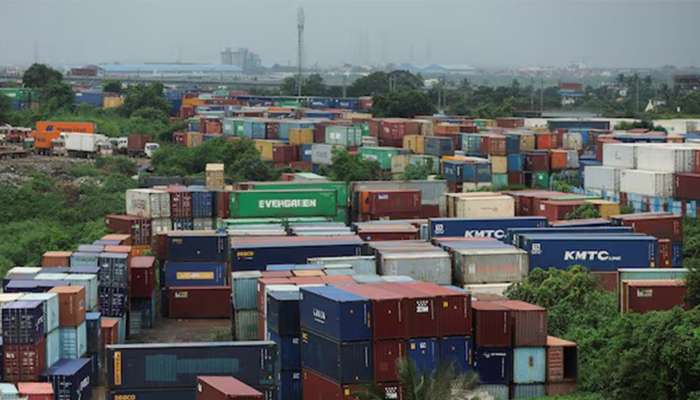

The United States has indicated that trade negotiations with India are advancing, with a senior administration official describing “a lot of positive developments” in recent discussions between the two countries. This development comes as Washington is pursuing a reciprocal trade agreement with New Delhi while simultaneously addressing concerns over India’s purchases of Russian oil.
## Advancements in US-India Trade Negotiations
Speaking to reporters on Thursday, the official confirmed that the US is making progress in its trade talks with India. “I think we’ve had a lot of positive developments with them recently,” the official said, adding that talks could yield results “before the end of the year.” The official highlighted that there are two main issues being addressed: reciprocal trade negotiations and concerns over India’s purchases of Russian oil. However, they noted that there has been “market improvement on that end,” suggesting a positive trajectory in the discussions.
The US administration is managing two parallel issues with India. The first involves reciprocal trade negotiations, which typically aim to balance tariffs and market access between countries. The second concerns what the official termed the “Russian oil issue.” A reciprocal trade deal could address long-standing issues between the world’s largest and fifth-largest economies. These include US concerns over Indian tariffs on American goods, particularly motorcycles and agricultural products, and India’s desire for restored preferential trade status and greater access to US markets.
## Key Areas of Focus in US-India Trade Talks
A reciprocal trade deal between the US and India could have significant implications for both countries. One of the key areas of focus is the reduction of tariffs on goods that are not grown naturally within US borders. This move could benefit both nations by increasing trade volumes and promoting economic cooperation. Additionally, the talks are expected to address issues related to technology transfer and intellectual property protections, as well as services sector access, particularly for Indian IT professionals.
Meanwhile, the White House announced on Thursday that it has finalised preliminary trade agreements with four Latin American nations – Argentina, El Salvador, Ecuador, and Guatemala. According to administration officials, these deals will offer tariff reductions on goods that cannot be grown naturally within US borders. This development highlights the US’s expanding trade engagement across multiple regions. Washington has been pursuing “quite constructive conversations” with Central and South American nations and has issued joint statements with Vietnam and Indonesia.
## Expanding Trade Engagement Across Regions
The US is also making progress in its trade talks with other countries. The official mentioned recent progress with Switzerland, suggesting a pattern in which the Trump administration seeks bilateral deals rather than multilateral agreements. This approach is expected to continue, with the US pursuing trade agreements that benefit both parties involved. As US President Donald Trump’s close associate Sergio Gor begins his role as ambassador to India, Trump faces another diplomatic test. Speaking at Gor’s swearing-in on Monday, Trump indicated that tariff reductions on Indian imports could be forthcoming, pointing to potential progress on a trade deal.
The acknowledgement of progress in US-India trade negotiations comes after years of stop-start talks between Washington and New Delhi. Previous attempts at comprehensive trade agreements have stalled over disagreements on tariffs, data localisation, and e-commerce rules. However, with the recent positive developments, there is renewed optimism that a trade deal could be reached soon. Trade between the US and India reached approximately USD 190 billion in 2024, with both nations expressing ambitions to significantly increase bilateral commerce.
In conclusion, the advancements in US-India trade negotiations are a positive development for both countries. A reciprocal trade agreement could address long-standing issues and promote economic cooperation. As the US continues to expand its trade engagement across multiple regions, the prospects for increased bilateral commerce between the US and India look promising. With the potential for a trade deal to be reached before the end of the year, both nations are likely to benefit from increased trade volumes and economic cooperation.