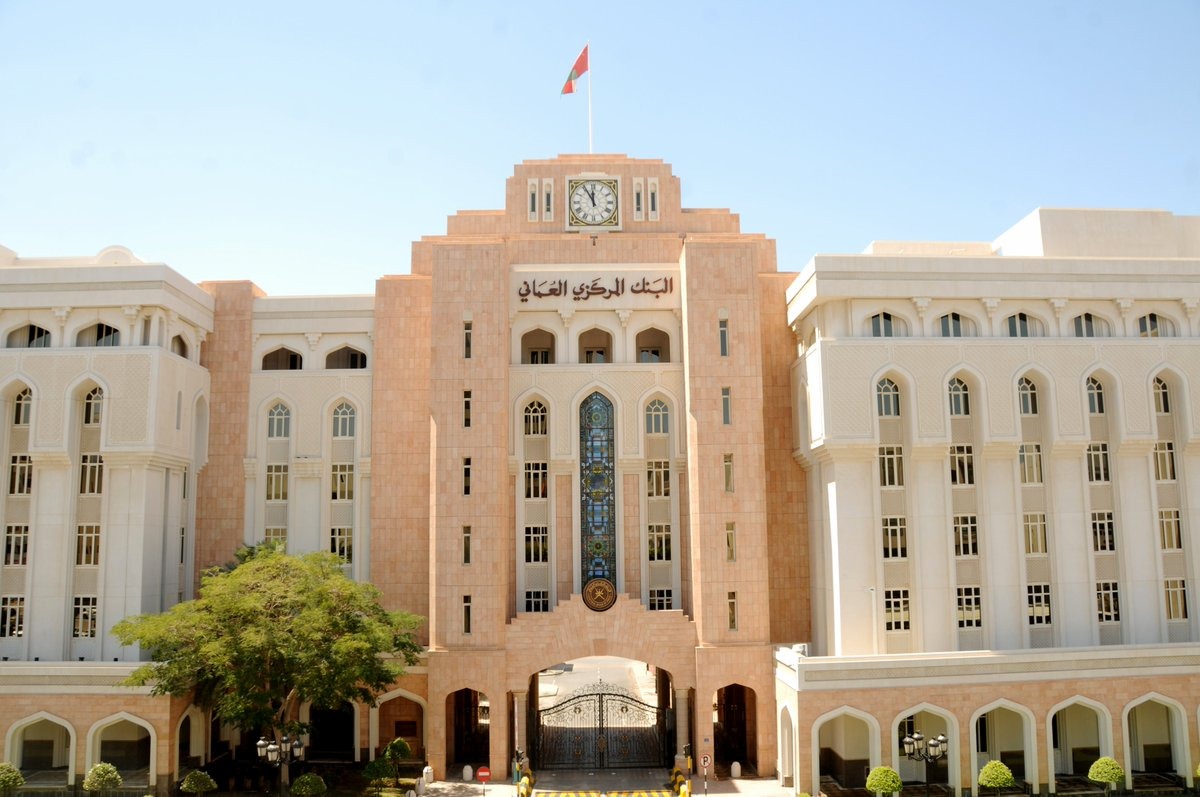

The Oman Central Bank (OCB) has announced the allocation of OMR 9.25 million in government treasury bills this week, with a maturity period of 91 days. The treasury bills, a short-term financial instrument issued by the Ministry of Finance, provide investment opportunities for licensed commercial banks.
According to the OCB’s statement, the average acceptable price for the treasury bills was OMR 99.055 per 100 Omani riyals, with a minimum acceptable price of OMR 99.050. The average discount rate was 3.78876 percent, resulting in an average return of 3.82489 percent.
Treasury Bills and Interest Rates
The OCB manages the issuance of treasury bills on behalf of the Ministry of Finance. The interest rate on repurchase operations with the Central Bank of Oman on these bills is 4.75 percent, while the discount rate on the CBO Treasury Bill Facility is 5.25 percent. The treasury bills are a secured financial instrument designed to provide liquidity to the financial system.
The treasury bill market plays a crucial role in the Omani economy, as it allows the government to manage its short-term funding needs while providing a low-risk investment opportunity for banks. The OCB’s management of the treasury bill market helps to maintain financial stability in the region.
Impact on the Omani Economy
The issuance of treasury bills is an essential tool for the Omani government to manage its finances. By issuing these short-term securities, the government can raise funds to meet its short-term obligations. The OCB’s role in managing the treasury bill market ensures that the government’s funding needs are met while maintaining the stability of the financial system.
The treasury bill market also provides an investment opportunity for licensed commercial banks, allowing them to manage their liquidity and earn a return on their investments. The OCB’s management of the treasury bill market helps to ensure that the financial system remains stable and secure.
Monetary Policy Implications
The interest rates associated with the treasury bills, including the repurchase rate and discount rate, are key indicators of the OCB’s monetary policy stance. The rates are used to manage liquidity in the financial system and influence the overall direction of interest rates in the economy. According to the OCB, the current interest rates are designed to maintain financial stability and support economic growth.
As the Omani economy continues to evolve, the OCB’s management of the treasury bill market will remain crucial in maintaining financial stability. The next treasury bill auction is expected to be announced in the coming weeks, with the market watching closely for any changes in the OCB’s monetary policy stance. The outcome of the auction will provide insight into the government’s funding needs and the OCB’s approach to managing liquidity in the financial system.