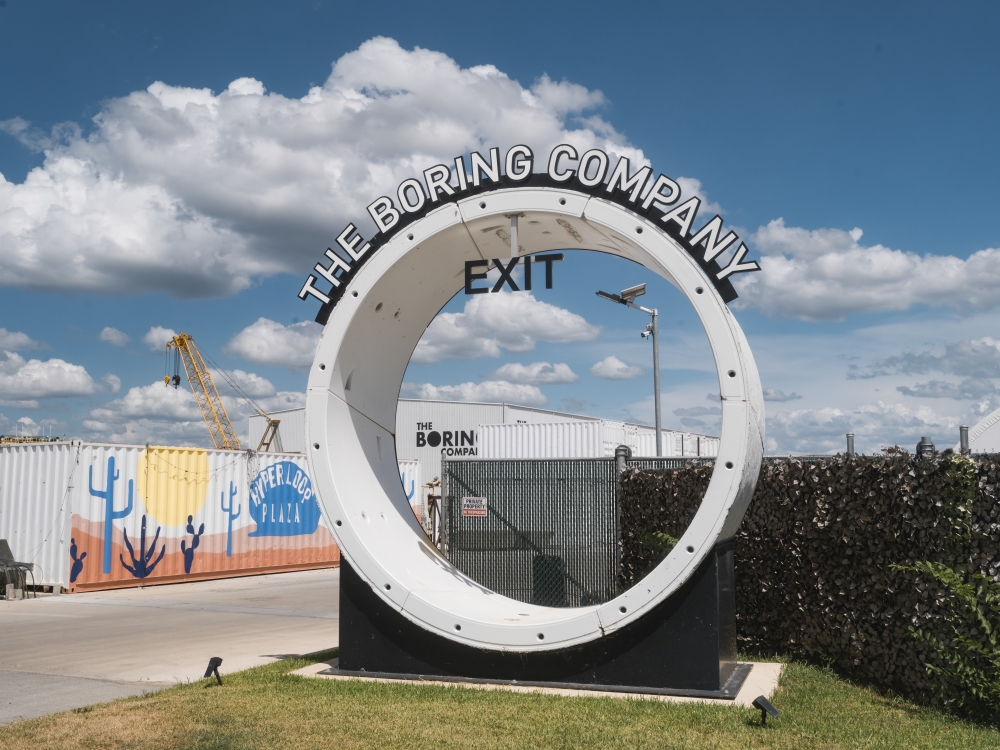

Commuters in Dubai are set to benefit from Elon Musk’s innovative underground transit system, known as the “Loop,” as early as next year. The project, a collaboration between Musk’s Boring Company and the United Arab Emirates government, aims to alleviate congestion in the growing city. According to Omar Al Olama, the UAE Minister for Artificial Intelligence, the first phase of the Dubai Loop is expected to be operational by the second quarter of 2026.
The Dubai Loop is part of a broader effort by the city to adopt futuristic solutions to manage its increasing population. The initial phase will cover 17 kilometers of tunnels and is designed to transport 20,000 passengers per hour. This ambitious infrastructure project reflects Dubai’s commitment to embracing novel technologies, including air taxi services and artificial intelligence.
The Boring Company’s Expansion into Dubai
The Boring Company’s venture into Dubai marks a significant milestone for the company, which has faced challenges in implementing its underground transit systems elsewhere. The only currently operational Loop built by the Boring Company is in Las Vegas, where Tesla vehicles driven by human operators transport passengers between stations. It remains unclear whether the Dubai Loop will utilize Tesla cars or other modes of transport, such as vacuum pods or driverless vehicles.
However, the Boring Company has been exploring various transportation options for the Dubai Loop. The project’s success could pave the way for further expansion of Musk’s tunneling ventures in the region. Musk’s companies have already made significant inroads in the Gulf, including the expansion of Starlink terminals and proposals for Boring Company tunnels and robotaxis in Saudi Arabia.
Implications for Dubai’s Transportation Infrastructure
Dubai’s adoption of the Loop system is part of a larger strategy to reduce congestion and enhance its transportation infrastructure. The city’s openness to innovative technologies is reflected in its partnerships with companies like Joby Aviation Inc., which is testing air taxi services in Dubai. By embracing cutting-edge solutions, Dubai aims to position itself as a hub for technological advancement in the region.
Additionally, the UAE’s regulatory environment has been conducive to the adoption of novel technologies. The government’s willingness to implement light-touch regulation has encouraged companies like Musk’s to invest in the region. As the Dubai Loop project progresses, it will be closely watched by industry observers and stakeholders.
Challenges and Uncertainties
Despite the optimism surrounding the Dubai Loop, there are uncertainties regarding its implementation. The departure of the Boring Company’s lead architect, as reported by Bloomberg in September, raises questions about the project’s technical and operational aspects. Furthermore, the specifics of the transportation mode to be used in the Dubai Loop remain unclear.
As the project moves forward, the next significant milestone will be the commencement of operations, expected in 2026. The success of the Dubai Loop will depend on various factors, including the technology used, operational efficiency, and passenger demand. Industry observers will be watching closely to see how the project unfolds and whether it achieves its ambitious goals.
The development of the Dubai Loop is a significant step in the city’s efforts to modernize its transportation infrastructure. As the project progresses, further details are expected to emerge regarding its implementation and operational plans. The outcome will be closely monitored by stakeholders and industry observers alike.