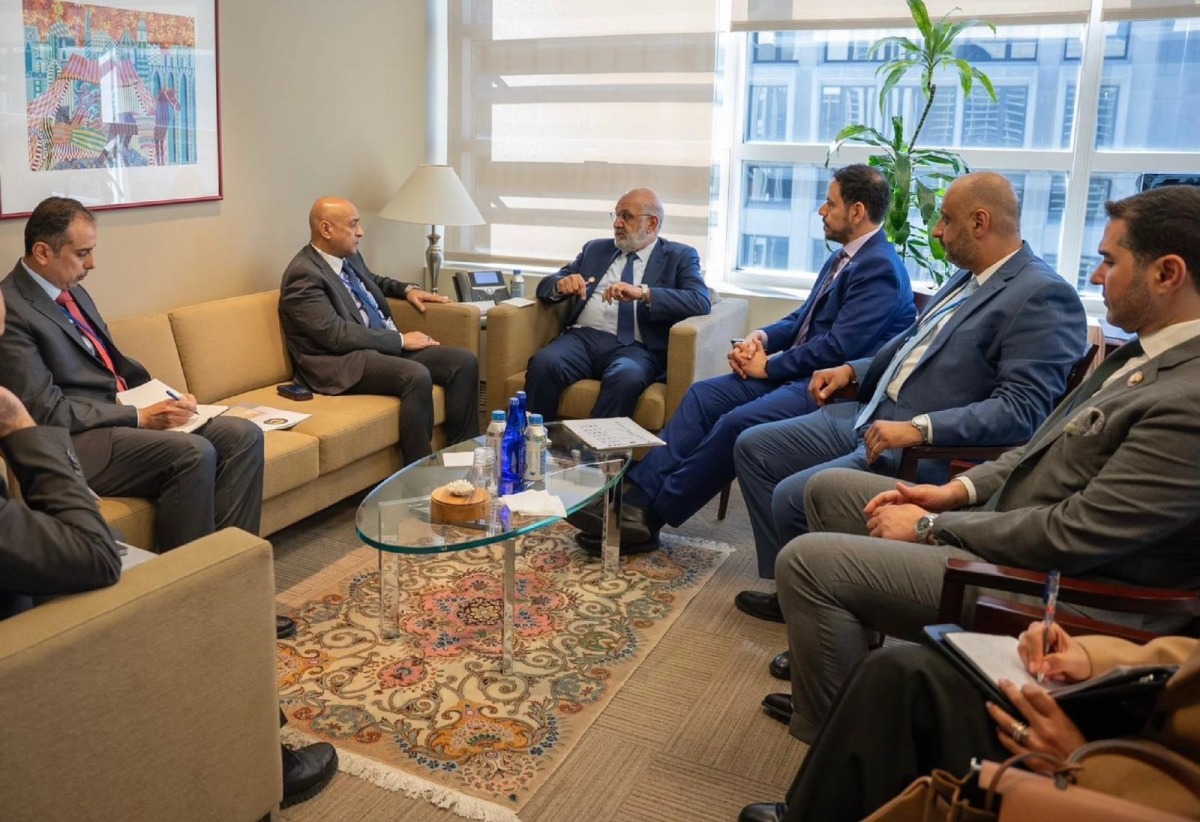

The Gulf Cooperation Council (GCC) has reaffirmed its commitment to strengthening its partnership with the World Bank Group to drive comprehensive and sustainable development in the region. Secretary General of the GCC, Jasem Mohamed Albudaiwi, met with Executive Director of the World Bank Group, Abdulaziz Al Mulla, and Executive Director for Saudi Arabia at the World Bank Group, Suhail Al Saeed, on the sidelines of the International Monetary Fund and World Bank meetings in Washington.
The meeting discussed ways to enhance cooperation between the GCC and the World Bank Group, with a focus on aligning their efforts with the developmental and economic priorities of GCC member states. Cooperation with the World Bank Group is of great importance to GCC member states, as it is one of the most prominent international financial institutions supporting development in the region.
Strengthening GCC-World Bank Partnership
Albudaiwi highlighted the significance of the World Bank Group’s contributions to backing the efforts of GCC countries to achieve their economic and social goals. The GCC has been working closely with the World Bank Group to identify areas of cooperation and implement joint initiatives that support the region’s development agenda. According to the GCC Secretary General, the partnership is crucial in helping member states achieve their development objectives.
The meeting reviewed a number of proposed initiatives and programs between the two sides, including those aimed at promoting economic diversification, enhancing infrastructure, and improving the business environment. The World Bank Group has been providing technical assistance and financing to GCC member states to support their development projects. For instance, the World Bank has been working with Saudi Arabia to implement its Vision 2030, a comprehensive plan to diversify the country’s economy and reduce its reliance on oil exports.
Economic Diversification and Sustainable Development
The GCC’s economic diversification efforts are a key area of focus for the partnership with the World Bank Group. The region’s economies have traditionally been reliant on oil exports, but there is a growing recognition of the need to diversify their economies and develop other sectors such as tourism, manufacturing, and renewable energy. The World Bank Group is providing support to GCC member states in these areas, including through the provision of financing and technical assistance.
Meanwhile, the GCC is also working to promote sustainable development in the region. The World Bank Group is supporting these efforts through its sustainable development programs, which aim to promote environmentally friendly practices and reduce the region’s carbon footprint. For example, the World Bank has been working with the United Arab Emirates to develop its renewable energy sector, with a focus on solar and wind power.
Potential Benefits of Enhanced Cooperation
Enhanced cooperation between the GCC and the World Bank Group is expected to have numerous benefits for the region. The partnership is likely to attract more foreign investment, promote economic growth, and create new job opportunities. Additionally, the collaboration is expected to enhance the region’s competitiveness and improve its business environment, making it more attractive to investors. According to a report by the World Bank, the GCC region has the potential to become a major hub for trade and investment in the Middle East, driven by its strategic location and business-friendly environment.
As the GCC continues to strengthen its partnership with the World Bank Group, the next steps are expected to be outlined in the coming months. The GCC and World Bank Group are likely to finalize their cooperation plans and announce new initiatives aimed at promoting sustainable development and economic diversification in the region. Investors and stakeholders will be watching closely for developments in this area, as the partnership is expected to have significant implications for the region’s economic future.