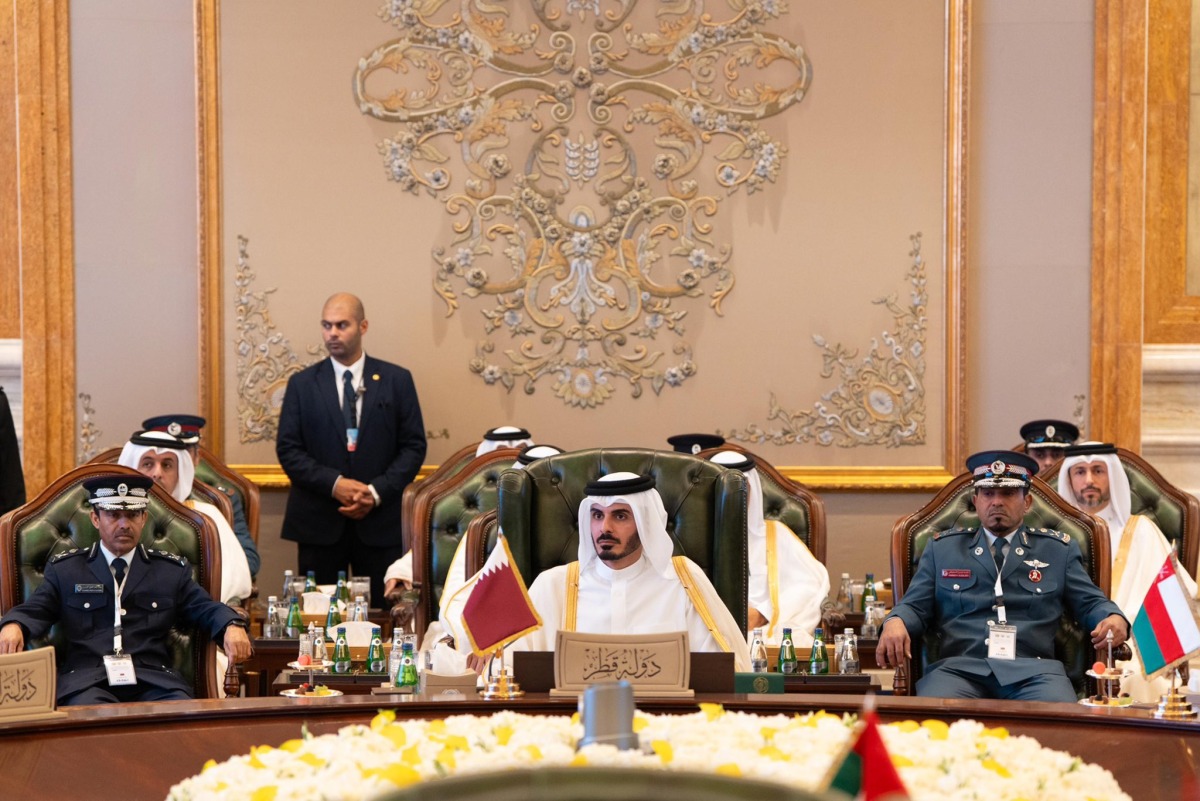

The State of Qatar’s delegation to the 42nd meeting of GCC Ministers of Interior was led by HE Sheikh Khalifa bin Hamad bin Khalifa Al-Thani, Minister of Interior and Commander of the Internal Security Force (Lekhwiya), in Kuwait on Wednesday. The meeting focused on strengthening joint Gulf security efforts and coordinating to address regional and international security challenges.
The gathering aimed to enhance cooperation among GCC states’ security agencies and improve coordination mechanisms to combat crime, terrorism, and drugs, thereby protecting regional security and stability. Discussions centered around developing existing security partnerships and expanding areas of collaboration to achieve common goals.
Enhancing GCC Security Cooperation
In his address to the meeting, HE Sheikh Khalifa expressed appreciation for the constructive efforts of GCC Ministers of Interior in consolidating Gulf security cooperation. He reaffirmed Qatar’s commitment to supporting joint security initiatives and strengthening security coordination among GCC member states.
The meeting highlighted the importance of a unified approach to tackling security threats in the region. According to the ministry, the discussions underscored the need for continued cooperation and information sharing among GCC states to effectively address emerging security challenges.
Regional Security Challenges
The GCC region faces various security threats, including terrorism and organized crime, which require a coordinated response. The meeting recognized the need for enhanced intelligence sharing and joint operations to counter these threats. Additionally, the ministers discussed ways to improve border security and cybersecurity measures to protect critical infrastructure.
The State of Qatar’s participation in the meeting demonstrated its commitment to regional security cooperation. Qatar has been actively engaged in GCC security initiatives, including joint military exercises and intelligence sharing. The country’s security agencies have also collaborated with other GCC states on counter-terrorism efforts.
Future Cooperation and Challenges
The outcome of the meeting is expected to lead to enhanced security cooperation among GCC states. The ministers are likely to issue a joint statement outlining their commitment to continued collaboration on security issues. However, the effectiveness of these efforts will depend on the ability of GCC states to implement agreed-upon measures and address existing challenges.
As the GCC continues to strengthen its security cooperation, the next steps will be crucial in determining the success of these initiatives. The region will be watching for concrete actions and decisions from the GCC states, particularly in areas such as counter-terrorism and cybersecurity. According to reports, the GCC aims to finalize its security strategy by the end of the year, with a focus on enhancing regional security frameworks and improving response mechanisms to emerging threats. For more information on GCC security initiatives, visit the GCC Secretariat’s official website.
The upcoming meetings and agreements will be critical in shaping the future of GCC security cooperation. As regional security challenges continue to evolve, the GCC states must remain committed to their collaborative efforts to ensure the stability and security of the region.