





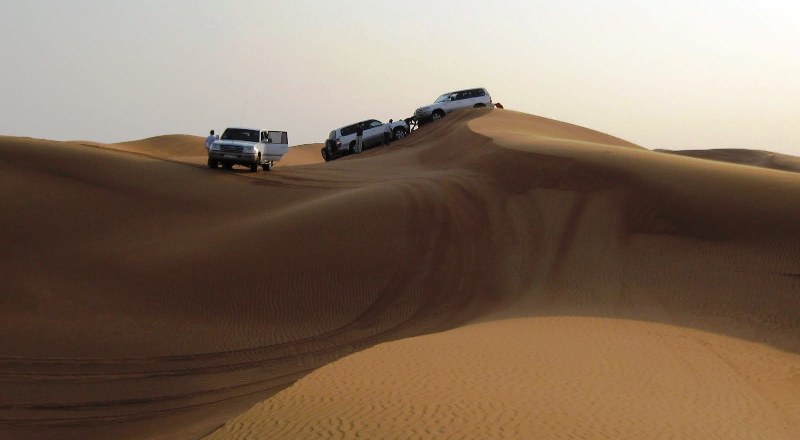

A recent study published in the Qatar Medical Journal has shed light on the concerning increase in traffic accidents in the desert areas of Qatar, particularly during the cold months from October to March. The study, titled ‘Analysis of Desert Traffic Accidents: A Retrospective Study’, revealed that a significant proportion of these accidents involve all-terrain vehicles (ATVs) and sport utility vehicles (SUVs). The findings highlight the impact of off-road driving on young males under the age of 40 who often neglect safety precautions like wearing seatbelts and adjusting to the challenging desert terrain.
The study focused on various factors, including patient demographics, injury types, and treatment outcomes. Blunt trauma emerged as the leading cause of injury, with orthopedic issues accounting for a substantial percentage of cases. Airway-related injuries and traumatic brain injuries were also noted among those injured in desert traffic accidents. While many injuries were severe, the majority of patients did not require surgery and had a relatively short hospital stay of 2.9 days. The study also reported low mortality and disability rates among the injured individuals.
Desert traffic accidents often peak between 4pm and 8pm, with many incidents attributed to inexperienced drivers engaging in risky activities like dune bashing. Poor visibility conditions caused by dust, sandstorms, and mirages also contribute to the high number of accidents in these areas. The study emphasizes the need for increased awareness and stricter safety measures to prevent such incidents. Additionally, the prevalence of specific injuries, such as thoracic injuries and neck trauma, highlights the similarities between desert and highway accidents.
Despite several awareness campaigns like the Hamad Injury Prevention Program (HIPP) that stress the importance of safety and preparedness for off-road driving, the study suggests that more education and precautionary measures are needed to address the ongoing issue of desert traffic accidents. While most individuals recover with appropriate medical care and interventions, the study’s findings underscore the importance of adhering to safety measures and driving responsibly in desert environments. Increased awareness and stricter regulations can help reduce the number of accidents and injuries in these areas, promoting safer off-road driving practices among residents and visitors in Qatar.
