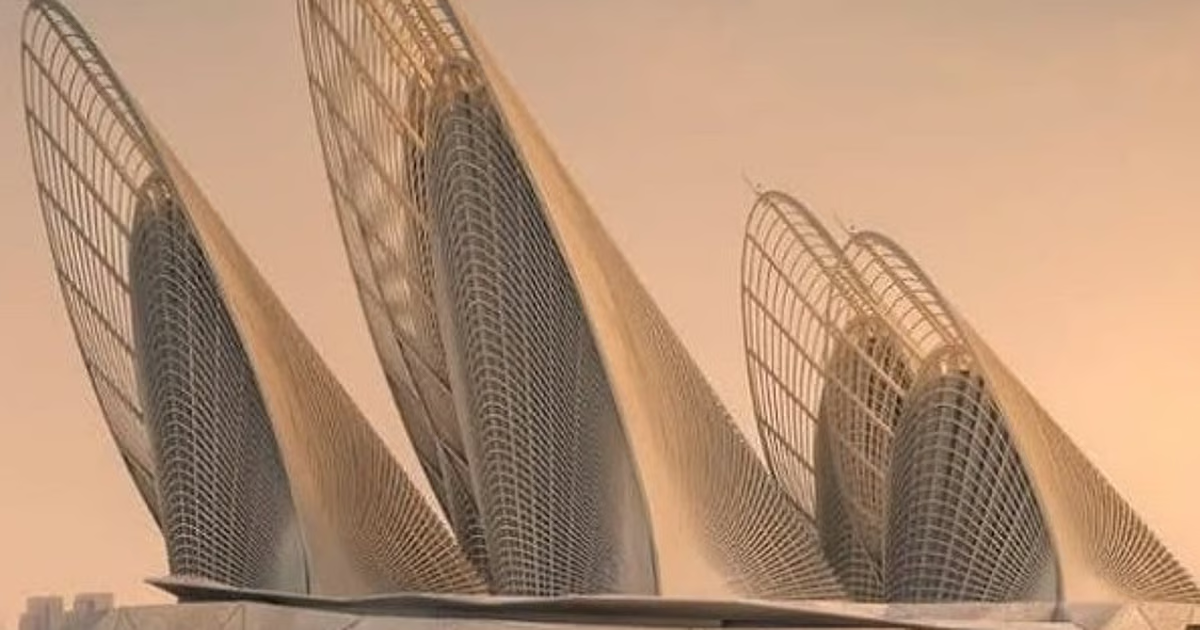

The highly anticipated Zayed National Museum in Abu Dhabi is now open to the public, offering a comprehensive exploration of the United Arab Emirates’ history and the foundations of Emirati identity. The museum, a cultural landmark dedicated to the late Sheikh Zayed bin Sultan Al Nahyan, showcases over 300,000 years of human history in the region, with a particular focus on the Zayed National Museum collections and their significance. The opening marks a key milestone in the UAE’s commitment to preserving and promoting its heritage.
Located near the Sheikh Zayed Grand Mosque, the museum officially welcomed visitors in November 2023. It aims to provide an immersive experience, connecting ancient archaeological finds with the enduring traditions that define the Emirati people. The project, years in the making, is expected to become a major draw for both tourists and residents interested in learning about the UAE’s rich past and cultural evolution.
Exploring Emirati Identity at the Zayed National Museum
The museum’s narrative is structured around four core themes: Geography, Innovation, Exchange, and Faith. These elements, according to the Department of Culture and Tourism – Abu Dhabi, are considered foundational to understanding the development of Emirati culture and society. The exhibits demonstrate how the unique landscape of the UAE influenced its inhabitants, fostering ingenuity and a spirit of adaptation.
A Journey Through Time
Visitors begin their journey outdoors in The Path Garden, a 600-meter gallery that sets the stage for the historical exploration within. This garden provides a contextual introduction to the environment and early settlements of the region. The indoor galleries then delve into the specifics of the UAE’s past, starting with archaeological discoveries dating back over 300,000 years.
A centerpiece of the collection is a 300,000-year-old stone tool unearthed at Jebel Hafeet in Al Ain. This artifact, and others like it, provides tangible evidence of early human presence and activity in the area. The museum utilizes advanced display techniques and storytelling methods to bring these ancient objects to life, making them accessible and engaging for a wide audience.
The Legacy of Sheikh Zayed
Dedicated spaces within the Zayed National Museum are devoted to the life and legacy of Sheikh Zayed bin Sultan Al Nahyan, the UAE’s founding father. These galleries highlight his vision for the nation, his commitment to modernization, and his deep respect for Emirati traditions. The exhibits showcase his role in transforming the UAE into the prosperous and globally connected country it is today.
Sheikh Zayed’s emphasis on education, environmental sustainability, and cultural preservation are recurring themes throughout the museum. His leadership is presented not just as a political achievement, but as a continuation of the values and principles that have shaped Emirati society for generations. The museum aims to inspire visitors with his example of forward-thinking leadership and dedication to his people.
The museum also explores the historical trade routes that passed through the region, highlighting the UAE’s long-standing role as a crossroads of cultures. This exchange of goods and ideas, the museum explains, contributed significantly to the development of a unique Emirati identity. Artifacts from various civilizations, including Mesopotamia, the Indus Valley, and East Africa, illustrate the extent of these connections.
Furthermore, the museum acknowledges the importance of Bedouin culture in shaping the UAE’s heritage. Exhibits detail the traditional nomadic lifestyle, the skills and knowledge required to survive in the desert environment, and the values of hospitality, resilience, and community that were central to Bedouin society. This aspect of the museum aims to ensure that the traditions of the Emirati people are not forgotten.
Beyond the exhibits, the Zayed National Museum offers a range of amenities for visitors. Al Naqwa, the museum’s gift shop, provides a curated selection of souvenirs inspired by the collections. Dining options include Iirth Restaurant, Al Ghaf Café, and several garden cafés, offering a variety of culinary experiences. These facilities are designed to enhance the overall visitor experience and encourage engagement with the museum’s content.
The opening of the Zayed National Museum is part of a broader cultural initiative in Abu Dhabi, which includes the Louvre Abu Dhabi and the upcoming Guggenheim Abu Dhabi. These institutions are intended to establish the UAE as a global hub for arts and culture, attracting visitors from around the world and fostering a deeper appreciation for the region’s heritage. The development of these museums reflects the UAE’s commitment to investing in its cultural infrastructure.
Looking ahead, the museum’s curators plan to rotate exhibits and introduce new acquisitions to keep the experience fresh and engaging. Ongoing research and archaeological work in the UAE will undoubtedly uncover new artifacts and insights, which will be incorporated into the museum’s displays. The long-term success of the Zayed National Museum will depend on its ability to adapt and evolve, remaining a dynamic and relevant institution for future generations. The Department of Culture and Tourism will continue to assess visitor feedback and refine the museum’s offerings accordingly. Further expansion of the museum’s digital presence, including virtual tours and online collections, is also under consideration.