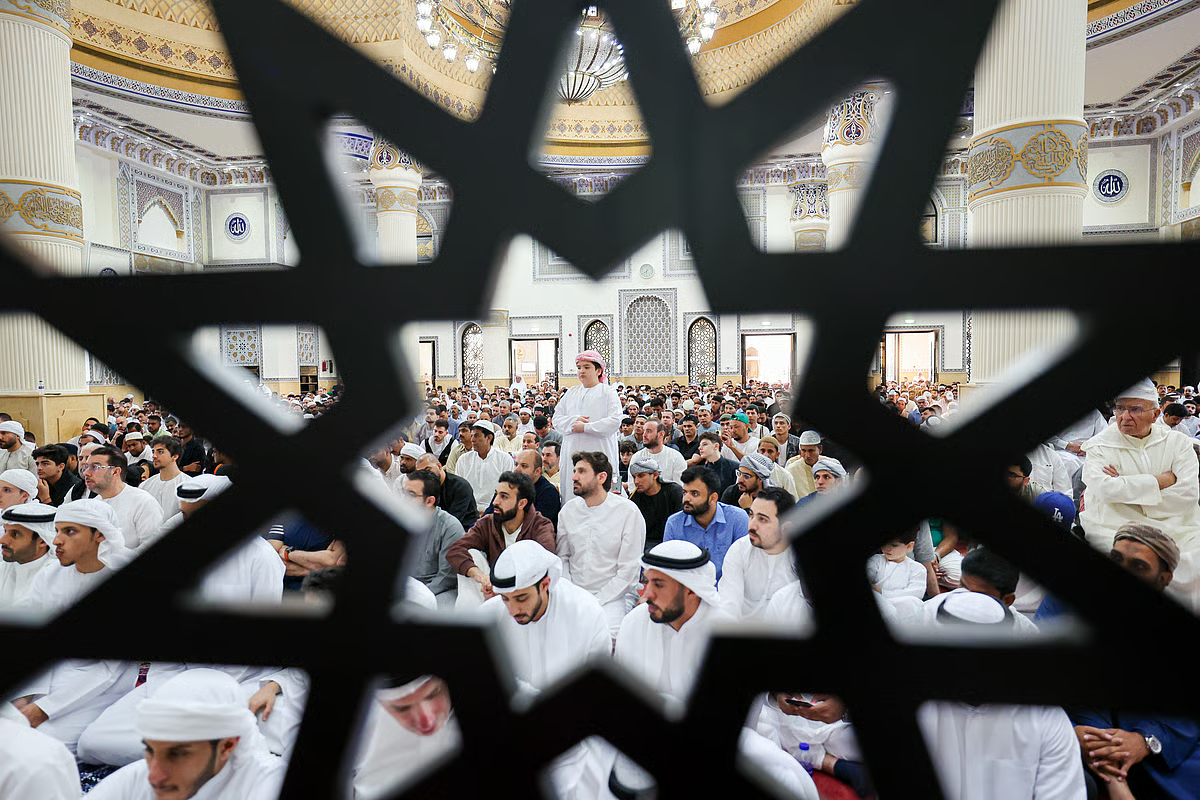

The Department of Islamic Affairs and Charitable Activities in Dubai has announced an expansion of its youth outreach program focused on training young Emirati citizens in the art of delivering the adhan, the Islamic call to prayer. Building upon the success of the 2024-launched “Muezzin Al Freij” initiative, the program will broaden its scope to include more residential communities and increase opportunities for young people to connect with their faith. The initiative aims to cultivate religious values and strengthen ties between youth and local mosques.
The expanded program, details of which were released this week, will initially target children and teenagers across several Dubai neighborhoods. According to the department, the initiative seeks to address a perceived need for continued nurturing of religious practice among younger generations and ensure the continued availability of qualified muezzins within the emirate’s growing number of mosques. The program is free of charge and open to Emirati nationals meeting specific age criteria.
Strengthening the Future of the Adhan in Dubai
The “Muezzin Al Freij” program, meaning “Muezzin of the Neighborhood,” initially focused on select communities and proved popular, with a high level of participation from local families. The department cited positive feedback from parents and community leaders as a key driver for the expansion. This success demonstrated a clear appetite for programs that actively engage youth in traditional Islamic practices.
Program Structure and Curriculum
The expanded program will offer a structured curriculum covering the correct pronunciation of the adhan, its historical significance, and the etiquette associated with performing the call to prayer. Training will be conducted by experienced muezzins and religious scholars approved by the Department of Islamic Affairs. Participants will also receive guidance on vocal techniques and maintaining the spiritual focus required for the role.
Additionally, the curriculum will incorporate lessons on Islamic values, ethics, and community responsibility. The department believes this holistic approach will contribute to the overall development of participating youth, fostering not only religious proficiency but also strong moral character. The program aims to instill a deeper understanding of Islamic principles beyond the technical aspects of delivering the adhan.
Addressing Demographic Shifts and Religious Education
The initiative comes amidst a period of rapid demographic change in Dubai, with a growing expatriate population. The department has emphasized the importance of preserving Emirati cultural and religious heritage. This program is seen as a proactive step towards ensuring that future generations remain connected to their Islamic roots.
However, some observers note that the program is part of a broader trend in the Gulf region towards strengthening religious education and promoting traditional values. This trend is often framed as a response to perceived external influences and a desire to reinforce national identity. The department has not explicitly linked the program to these broader regional trends, but the timing is noteworthy.
Meanwhile, the Department of Islamic Affairs is also working to enhance the overall quality of religious services offered at mosques throughout Dubai. This includes providing ongoing training for existing muezzins and investing in modern audio-visual equipment to improve the clarity and reach of the adhan. These efforts are intended to create a more welcoming and spiritually enriching environment for worshippers.
In contrast to some other regions, Dubai has generally maintained a relatively moderate approach to religious practice. The focus of this program is not on imposing strict interpretations of Islam but rather on fostering a positive connection between youth and their faith. The department has consistently emphasized the importance of tolerance and understanding in its public messaging.
The program’s expansion also aligns with broader government initiatives aimed at empowering Emirati youth and providing them with opportunities for personal and professional development. Investing in religious education is seen as a key component of this strategy, contributing to the creation of a well-rounded and engaged citizenry. Related initiatives include scholarships for Islamic studies and support for youth-led religious organizations.
The department anticipates that the expanded program will reach several hundred young people in its first year. Selection criteria will prioritize applicants demonstrating a genuine interest in learning the adhan and a commitment to upholding Islamic values. The program will also consider applicants’ academic performance and community involvement. The department is currently accepting applications through its online portal.
The next step involves finalizing the training schedule and securing qualified instructors for each participating neighborhood. The department expects to announce the list of selected participants and the commencement date for the training sessions by the end of November. The long-term success of the program will depend on ongoing funding and continued community support. It remains to be seen how the program will evolve and adapt to changing demographics and societal needs.