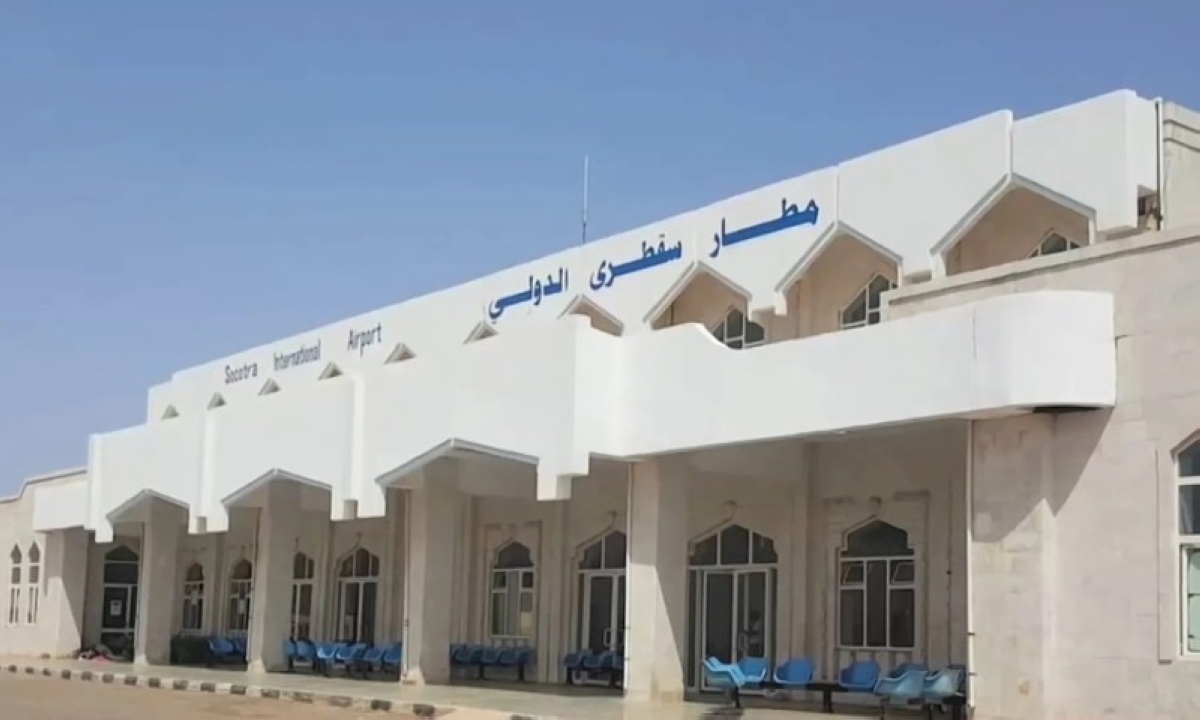

Direct flights between Jeddah, Saudi Arabia, and Socotra, Yemen, are slated to begin within weeks, potentially boosting tourism to the remote archipelago. The announcement, made Tuesday by Yemen’s Minister of Information, Culture and Tourism, Moammar Al-Eryani, marks a significant step towards integrating Socotra into the global travel market. These regular flights aim to ease travel restrictions and capitalize on the island’s unique biodiversity.
Yemenia Airways, in collaboration with the Yemen Tourism Promotion Council, will operate the routes. According to Al-Eryani, the initiative follows an agreement reached with Yemenia Airways Chairman Capt. Nasser Mahmoud. This development comes as Yemen continues to navigate a complex political and economic landscape, and highlights a concentrated effort to revitalize specific regions through increased economic activity.
Boosting Socotra Tourism Through Direct Flights
Socotra, a UNESCO World Heritage site, is renowned for its distinctive flora and fauna, much of which is found nowhere else on Earth. This ecological uniqueness has long been touted as a potential driver for sustainable tourism. However, accessibility has been a major hurdle, requiring travelers to pass through mainland Yemen, which has faced ongoing instability.
The new air link is intended to bypass these challenges, offering a more direct and secure route for visitors. This is especially important for attracting international travelers interested in eco-tourism and adventure travel. The Ministry anticipates these flights will encourage investment in local infrastructure.
Saudi Arabia’s Role and Regional Cooperation
The initiative received critical backing from the Kingdom of Saudi Arabia, with Al-Eryani praising their “sincere fraternal cooperation” and provision of necessary logistical and operational support. The partnership with Saudi Arabia is occurring amid broader improvements in relations between the two countries, following years of regional conflict. This cooperation is viewed as crucial for the success of the project.
Additionally, the Yemeni government views the enhanced connectivity as a means to emphasize Socotra’s national sovereignty. Control over the island has been a point of contention in the past, with the United Arab Emirates also having a presence and pursuing development projects there. Stabilizing the local economy through tourism is considered a key element in strengthening governmental authority.
Impact on the Local Economy and Infrastructure
Authorities hope the increase in visitor numbers will provide a significant boost to the local economy, primarily benefiting the communities that rely on tourism-related services. This includes hotels, tour operators, and local craftspeople. The expectation is that tourism revenues will support infrastructure development and job creation on the island.
The Yemeni government has also indicated plans to increase its focus on developing infrastructure on Socotra. This will likely include improvements to the island’s airport, road network, and accommodation options. However, balancing development with the preservation of Socotra’s fragile environment remains a central concern, according to environmental groups monitoring the situation.
Challenges and Considerations for Sustainable Development
While the direct flights present considerable opportunities, officials also acknowledge potential challenges. A rapid influx of tourists could strain the island’s limited resources and negatively impact its unique ecosystem without proper management and regulations. Sustainable travel practices and the establishment of clear environmental protection guidelines are considered essential.
Furthermore, maintaining the security and political stability of the region will be vital for the long-term success of the endeavor. Yemen continues to grapple with the aftermath of its civil war, and any setbacks in the peace process could jeopardize the viability of the new flight route. Coordinating with local tribes to ensure the benefits of tourism are distributed equitably will also be important.
The announcement aligns with a broader regional trend of promoting tourism as a key pillar of economic diversification. Countries in the Middle East, including Saudi Arabia, are investing heavily in tourism infrastructure to reduce their reliance on oil revenues. Socotra presents a unique and compelling destination to this growing tourism sector.
The initiative’s success will also depend on marketing efforts to raise awareness about Socotra’s attractions among potential tourists. This will involve showcasing the island’s stunning landscapes, biodiversity, and cultural heritage. Collaboration with international tour operators and travel agencies is expected to play a crucial role.
Looking ahead, the focus will be on the operational launch of the Jeddah-Socotra flights and the implementation of the government’s broader development plan for the archipelago. The exact start date remains to be confirmed, and ongoing security assessments will influence the regularity and scope of the service. Observers will be watching to see whether the increased accessibility translates into sustainable economic benefits for Socotra while safeguarding its environmental integrity.