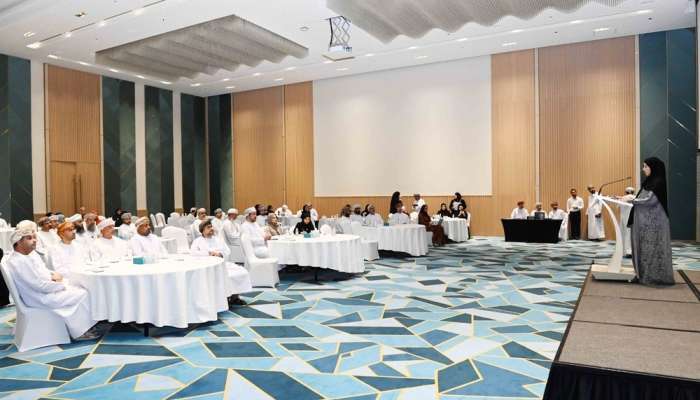

Oman is actively investing in its future workforce, and a recent workshop in A’Seeb highlights this commitment. The Ministry of Labour recently concluded the 4th edition of its workshop on the “National System for Institutional Innovation and Change Management,” bringing together leaders and professionals from both the public and private sectors. This initiative underscores the nation’s dedication to modernizing its administrative practices and achieving the ambitious goals outlined in Oman Vision 2040.
Strengthening Oman’s Future with Institutional Innovation
Held in the Wilayat of A’Seeb, the workshop drew 100 participants eager to learn about and contribute to the evolving landscape of institutional development in Oman. The “National System for Institutional Innovation and Change Management” isn’t simply a theoretical framework; it’s a practical approach designed to empower individuals, foster adaptability, and drive progress across all sectors. This focus on change management is crucial in today’s rapidly evolving global environment.
A Key Component of Oman Vision 2040
Safia Abdullah Al Harthi, an administrative development specialist at the Ministry of Labour, emphasized the workshop’s significance. She stated that the initiative, launched in 2022, is a direct contribution to realizing the objectives of Oman Vision 2040. This long-term strategic plan aims to diversify the Omani economy, enhance its competitiveness, and improve the quality of life for all citizens. The National System for Institutional Innovation and Change Management serves as a vital engine for achieving these goals.
Core Principles of the National System
The workshop delved into the core principles underpinning the “National System for Institutional Innovation and Change Management.” It’s built on the idea of transforming challenges into opportunities, cultivating a flexible and responsive corporate culture, and empowering employees with the skills and knowledge they need to thrive. This proactive approach is essential for navigating the complexities of the modern world.
Workshop Content and Key Focus Areas
Participants benefited from a comprehensive curriculum that included insightful video presentations detailing the intricacies of the system. Several key areas were explored, including a Research Excellence Initiative designed to promote evidence-based decision-making. Additionally, the workshop introduced the practical application of behavioural insights to improve organizational effectiveness.
Furthermore, the concept of waste reduction, inspired by the Kaizen approach to human resource development, was a prominent theme. Kaizen, meaning “continuous improvement,” encourages a culture of ongoing refinement and efficiency. The workshop also addressed the critical importance of health, safety, and security within the work environment, recognizing that a safe and healthy workforce is a productive workforce.
Fostering Collaboration and Knowledge Sharing
A central aim of the workshop was to enhance integration among different sectors. The “National System for Institutional Innovation and Change Management” seeks to establish a robust system for exchanging knowledge and disseminating best administrative practices. This collaborative approach ensures that lessons learned are shared widely, accelerating progress across the Sultanate of Oman.
This emphasis on knowledge transfer is particularly important in a rapidly changing world. By facilitating the flow of information and expertise, the Ministry of Labour is helping to create a more agile and responsive public and private sector. The workshop’s design actively promotes this exchange, encouraging participants to network and learn from one another.
The Importance of Adaptability and Modern Approaches
The workshop’s curriculum reflects a commitment to keeping pace with modern global approaches to administration and management. The “National System for Institutional Innovation and Change Management” isn’t about simply adopting new technologies; it’s about fostering a mindset of continuous learning and adaptation. This is vital for ensuring that Oman remains competitive in the global marketplace.
Moreover, the focus on institutional capacity building is a long-term investment in the nation’s future. By empowering its workforce with the skills and knowledge they need to innovate and adapt, Oman is positioning itself for sustained growth and prosperity. The Ministry of Labour’s initiative demonstrates a clear understanding of the challenges and opportunities that lie ahead.
In conclusion, the 4th edition of the workshop on the “National System for Institutional Innovation and Change Management” represents a significant step forward in Oman’s journey towards achieving its Vision 2040 goals. By prioritizing innovation, collaboration, and adaptability, the Ministry of Labour is laying the foundation for a more prosperous and sustainable future. To learn more about Oman Vision 2040 and related initiatives, visit the Ministry of Labour’s website or explore resources on national development plans.