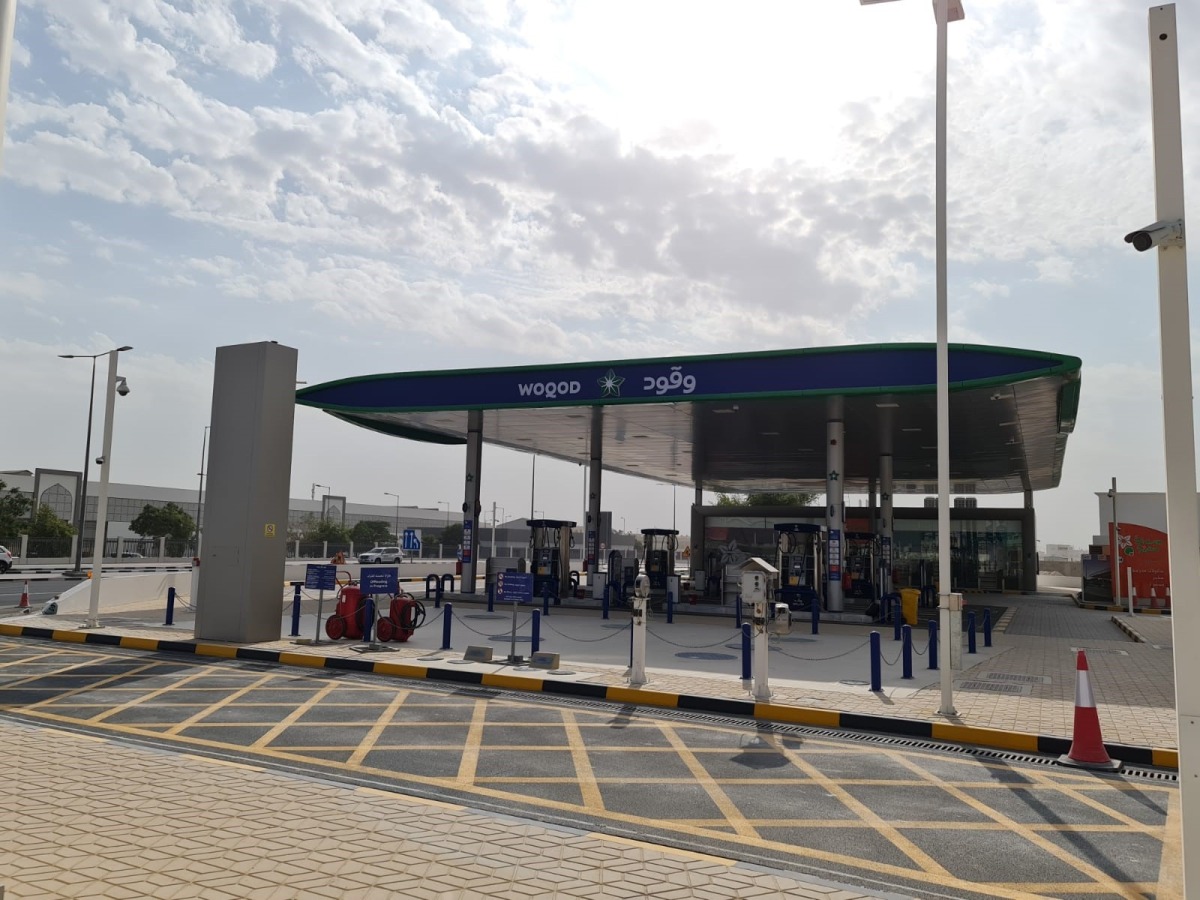

Qatar Fuel (WOQOD) has announced a significant promotional offer for its customers, providing the WOQODe tag free of charge starting January 1, 2026. This initiative aims to encourage wider adoption of the electronic fuel tag system across the country, streamlining the refueling process for both individual and corporate users. The offer includes complimentary installation at all WOQOD stations throughout Qatar.
The program, effective at the beginning of 2026, will eliminate the initial cost barrier for new users wanting to utilize the automated fuel payment system. WOQOD clarified that while the tag itself and installation are free, certain fees will still apply in specific circumstances. This move is part of Qatar’s ongoing efforts to modernize its fuel distribution infrastructure and reduce reliance on cash transactions.
Understanding the WOQODe Tag Offer
The free WOQODe tag promotion is available to all new individual and corporate customers. This means anyone currently without a tag can obtain one without upfront payment, simplifying fuel purchases at participating stations. WOQOD has been gradually expanding the acceptance of the WOQODe tag since its initial rollout, and this offer is expected to accelerate that process.
Fees and Eligibility
While the tag and installation are free, WOQOD has outlined specific fee structures. Replacement tags, necessitated by damage resulting from customer misuse, will be subject to a fee based on approved rates. Additionally, corporate customers will incur a monthly subscription charge of QR9 per tag, covering ongoing service and account management.
It’s important to note that the offer does not extend to accounts that have been inactive for more than six months. This stipulation likely aims to target active fuel consumers and prevent the accumulation of unused tags. Installation will be conducted on a first-come, first-served basis, potentially leading to wait times at popular stations.
The introduction of the WOQODe tag aligns with Qatar’s broader digital transformation strategy, as outlined in the Qatar National Vision 2030. This vision emphasizes the development of a knowledge-based economy and the improvement of public services through technology. Automated fuel payment systems contribute to efficiency and transparency within the fuel sector.
Prior to the WOQODe tag, fuel purchases in Qatar primarily relied on cash or debit/credit card transactions at the pump. The tag system allows for automatic deduction of fuel costs from a pre-funded account, eliminating the need for physical payment. This is particularly beneficial for fleet operators and frequent travelers. The system also enhances security by reducing the handling of cash.
The implementation of the WOQODe tag has faced some initial challenges, including user adoption and ensuring compatibility across all stations. However, WOQOD has consistently worked to address these issues through public awareness campaigns and technical upgrades. The company has also focused on improving the user experience through a dedicated mobile application and online portal for account management.
Looking ahead, the success of this promotion will likely be measured by the increase in registered WOQODe tag users. WOQOD has not specified a target number for new registrations, but monitoring adoption rates will be crucial. Further expansion of the tag’s functionality, such as integration with other services like vehicle maintenance or toll payments, remains a possibility. The long-term impact on fuel consumption patterns and operational efficiency within the sector is also something to observe.
Customers interested in taking advantage of the offer are encouraged to visit any WOQOD station starting January 1, 2026, and consult the company’s website for complete terms and conditions regarding the fuel tag and its usage. The availability of the tags and installation services will be subject to demand and station capacity.
The future of fuel retail in Qatar is increasingly digital, and this WOQODe initiative represents a significant step towards that goal. The company will likely continue to refine the system based on user feedback and evolving technological advancements.
Related to this, the Ministry of Energy and Industry has been actively promoting sustainable fuel practices and exploring alternative energy sources. Additionally, competition within the fuel retail sector is expected to increase, potentially leading to further innovations in payment and service delivery.