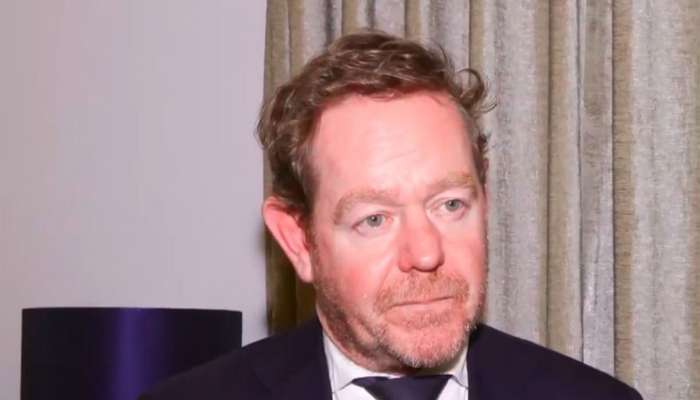

As negotiations for a comprehensive India-EU Free Trade Agreement (FTA) enter what officials are calling a “decisive phase,” the Netherlands has voiced strong support for finalizing the deal, highlighting the increasing necessity of robust trade partnerships in a world facing growing economic uncertainties. Dutch Foreign Minister David van Weel, during a recent visit to New Delhi, emphasized the importance of aligning with like-minded nations to ensure resilient and autonomous supply chains amidst global disruptions. This push comes as both sides work to bridge remaining differences and unlock significant economic potential.
The Urgency Behind the India-EU FTA
The global trade landscape is shifting, and not always for the better. Disruptions stemming from geopolitical tensions, and recent global events have underscored the vulnerabilities of relying on single-source supply chains. Van Weel articulated this concern in an interview, stating that FTAs with partners who share similar values are “more critical than ever.” He pointed to a world where established trade rules are increasingly challenged, and diversification is key to economic security.
This sentiment is echoed by India, which sees the FTA as a vital step in strengthening its economic ties with Europe and boosting its overall trade performance. The Netherlands, a significant investor in India and a key EU member, understands this need and is actively advocating for a swift resolution to the negotiations. The agreement’s success will have ripple effects, potentially encouraging similar pacts between the EU and other Asian economies.
Key Areas of Discussion and Progress
The ongoing negotiations between India and the EU encompass a wide range of issues, including tariffs, intellectual property rights, and investment protection. Commerce Secretary Rajesh Agrawal recently announced that both sides are “narrowing down the differences” after nearly 14 rounds of talks, including extensive engagement in December.
Specifically, the discussions are focusing on:
- Tariff reductions: Both India and the EU are looking to lower tariffs on a wide range of goods, creating greater access to each other’s markets.
- Investment flows: Ensuring a stable and predictable investment climate is crucial for attracting foreign capital and driving economic growth.
- Geographical Indications (GIs): Protecting the unique identities of products originating from specific regions (like Darjeeling tea or Dutch Gouda cheese) is a contentious but important issue.
- Data Localization: Differing approaches to data management and storage present challenges that need carefully addressing.
Agrawal’s statement signals a positive trend, suggesting that the remaining obstacles, while substantial, are becoming more manageable. The continued virtual engagement between negotiating teams highlights the commitment from both sides to reach a breakthrough.
Netherlands’ Support and Broader Cooperation
The visit by Foreign Minister van Weel served to underscore the Netherlands’ unwavering support for the India-EU Free Trade Agreement. External Affairs Minister S. Jaishankar expressed his appreciation for this backing, acknowledging the Netherlands as a key advocate within the EU.
However, the cooperation extends far beyond just the FTA. Jaishankar highlighted the deepening bilateral relationship, encompassing diverse sectors such as water management, agriculture, technology, and the strategically significant semiconductor industry. This broader engagement demonstrates the long-term commitment both countries have to a multifaceted partnership. India is actively seeking to leverage Dutch expertise in these areas as it pursues its own economic and technological development goals.
Strengthening Strategic Ties in a Changing World
Beyond economic cooperation, both India and the Netherlands are keen on bolstering their strategic alignment, particularly in light of increasing geopolitical instability. Van Weel stressed the importance of democracies “sticking together” during times of global unrest, emphasizing shared values such as the rule of law and freedom of navigation.
This commitment translates into concrete actions, including improved defence and security collaboration. The Netherlands is particularly concerned about developments in the Indo-Pacific region, mirroring India’s own anxieties about rising tensions in the area. To this end:
- The Dutch Deputy Chief of the Navy will visit India in February to discuss joint naval exercises and information sharing.
- A Dutch frigate is scheduled to visit Kochi in the spring, demonstrating a visible commitment to security cooperation in the region.
- The Netherlands has also joined India’s Indo-Pacific Oceans Initiative (IPOI), showcasing a shared vision for maritime stability and security.
The focus on naval engagement and the IPOI underscores a growing recognition of the Indo-Pacific’s importance as a key strategic theatre. This collaboration signals a willingness to jointly address emerging security challenges and uphold a rules-based international order, a critical aspect of addressing global trade uncertainties as well.
Looking Ahead: A Decisive Phase for Trade and Security
The current phase of India-EU Free Trade Agreement negotiations is undoubtedly a critical juncture. With global trade facing headwinds and the need for resilient supply chains becoming increasingly urgent, a successful conclusion to the FTA would send a strong signal of commitment to open and fair trade. The Netherlands’ vocal support and deepening bilateral ties with India not only facilitate these trade talks but also build a foundation for enhanced cooperation on broader strategic issues.
The upcoming naval engagements and continued dialogue on the Indo-Pacific further demonstrate the growing convergence of interests between the two nations. The next few months will be pivotal in determining whether India and the EU can capitalize on this momentum and forge a partnership that benefits both sides while contributing to a more stable and prosperous global order. A completed agreement promises increased trade volumes, economic growth, and a strengthened geopolitical alliance.