
The United Arab Emirates is experiencing a significant shift in weather patterns as the winter solstice arrived on December 22nd, marking the official start of the cooler season. This winter solstice brings noticeably lower temperatures across the country, particularly in mountainous and desert regions. Residents are already reporting a welcome respite from the intense summer heat, with conditions expected to remain mild through the coming months.
The change is being felt most acutely in the northern emirates, near Jebel Jais, and in inland desert areas like Al Ain and Liwa. The National Center of Meteorology (NCM) confirms that this period typically ushers in the most comfortable outdoor weather of the year for the UAE. The shift is a natural astronomical event, but its impact on daily life and various sectors is substantial.
Understanding the Winter Solstice and its Impact on UAE Weather
The winter solstice occurs when one of Earth’s poles has its maximum tilt away from the Sun. This results in the shortest day and longest night of the year in the Northern Hemisphere, including the UAE. According to astronomical data, the solstice doesn’t immediately bring the coldest temperatures, but it initiates a period of decreasing daylight hours and increasing nighttime cooling.
Regional Temperature Variations
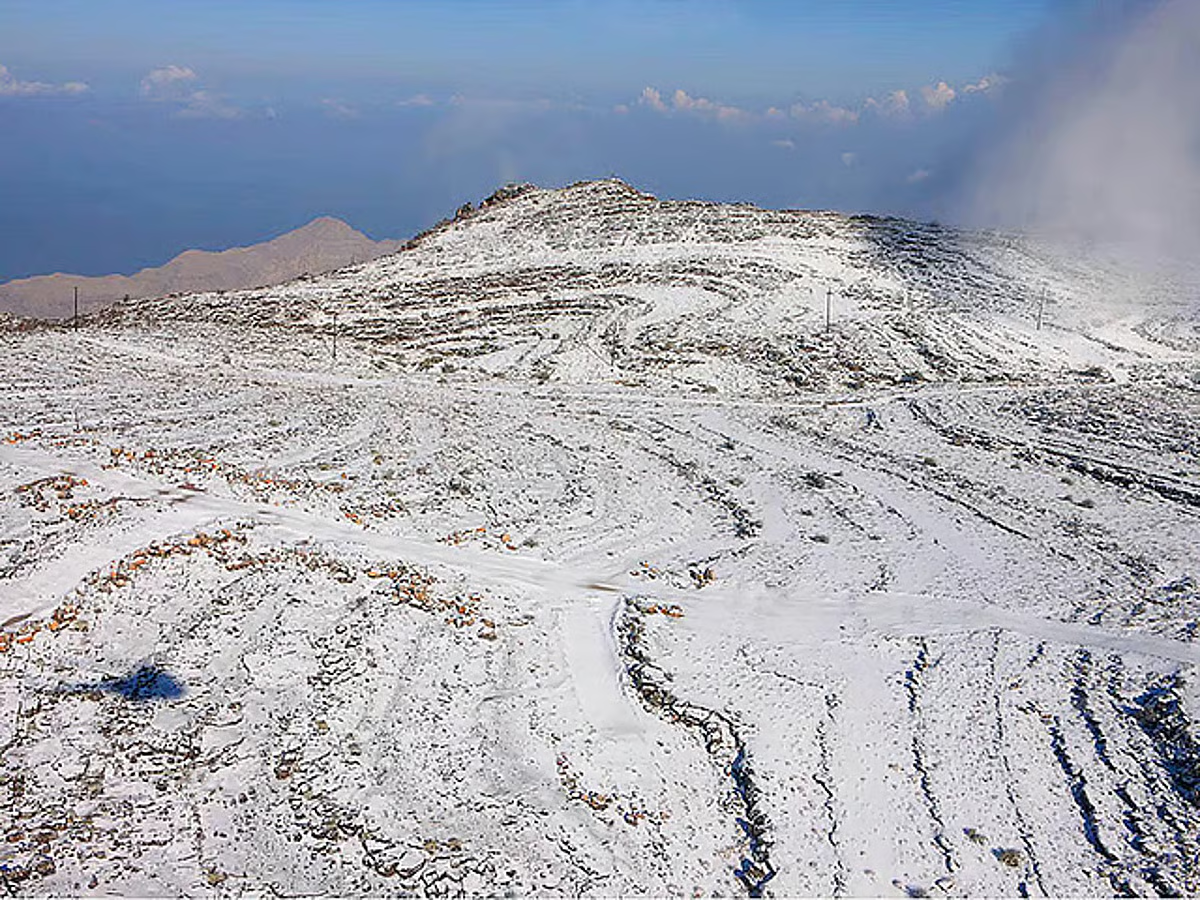
The UAE’s diverse geography contributes to significant temperature variations. In the northern mountainous regions, particularly around Jebel Jais, the morning wind chill is already driving temperatures down to the low teens Celsius. This makes conditions suitable for hiking and outdoor activities, attracting both residents and tourists.
Meanwhile, the inland desert regions of Al Ain and Liwa are experiencing a different effect. The long nights allow heat to radiate quickly from the sand, leading to a sharp temperature drop after sunset. This phenomenon can create substantial diurnal temperature ranges – the difference between daytime highs and nighttime lows – in these areas. The NCM advises residents in these areas to prepare for potentially cold nights.
Coastal areas, including Dubai and Abu Dhabi, are experiencing a more moderate cooling trend. While not as dramatic as the changes in the mountains and deserts, the weather is becoming significantly more pleasant for outdoor activities and tourism. The sea breeze continues to moderate temperatures, but evenings are becoming noticeably cooler.
Impact on Agriculture and Tourism
The cooler temperatures associated with the winter season are beneficial for agriculture. Farmers are taking advantage of the milder conditions to cultivate winter crops, contributing to local food production. The Ministry of Climate Change and Environment reports increased activity in agricultural areas during this period.
Additionally, the improved weather is a major boost for the tourism sector. The UAE is a popular destination for visitors seeking warm, sunny climates during the Northern Hemisphere’s winter. Hotels and tourist attractions are reporting increased bookings as visitors flock to enjoy the pleasant conditions. This influx of tourists contributes significantly to the UAE’s economy.
Long-Term Weather Patterns and Climate Change
While the winter solstice marks a predictable seasonal change, broader climate trends are also influencing the UAE’s weather. The report indicates that the UAE, like many other regions globally, is experiencing the effects of climate change, including rising average temperatures and changing rainfall patterns.
However, the immediate impact of the solstice remains a welcome change for residents. The cooler temperatures provide a break from the intense summer heat and allow for a wider range of outdoor activities. The NCM continues to monitor weather patterns and provide regular updates to the public.
The UAE government is actively investing in climate change mitigation and adaptation strategies. These include initiatives to reduce carbon emissions, promote renewable energy sources, and enhance water conservation efforts. These long-term strategies aim to ensure the sustainability of the UAE’s environment and economy in the face of a changing climate.
Looking ahead, the NCM forecasts continued mild temperatures throughout the winter months, with occasional fluctuations. The next significant weather event to watch for will be potential rainfall associated with the typical winter storm systems that occasionally affect the region. The timing and intensity of these systems remain uncertain, but the NCM will continue to provide updates as they become available. Monitoring seasonal temperature changes and long-term climate trends will be crucial for informed decision-making in the coming years.