


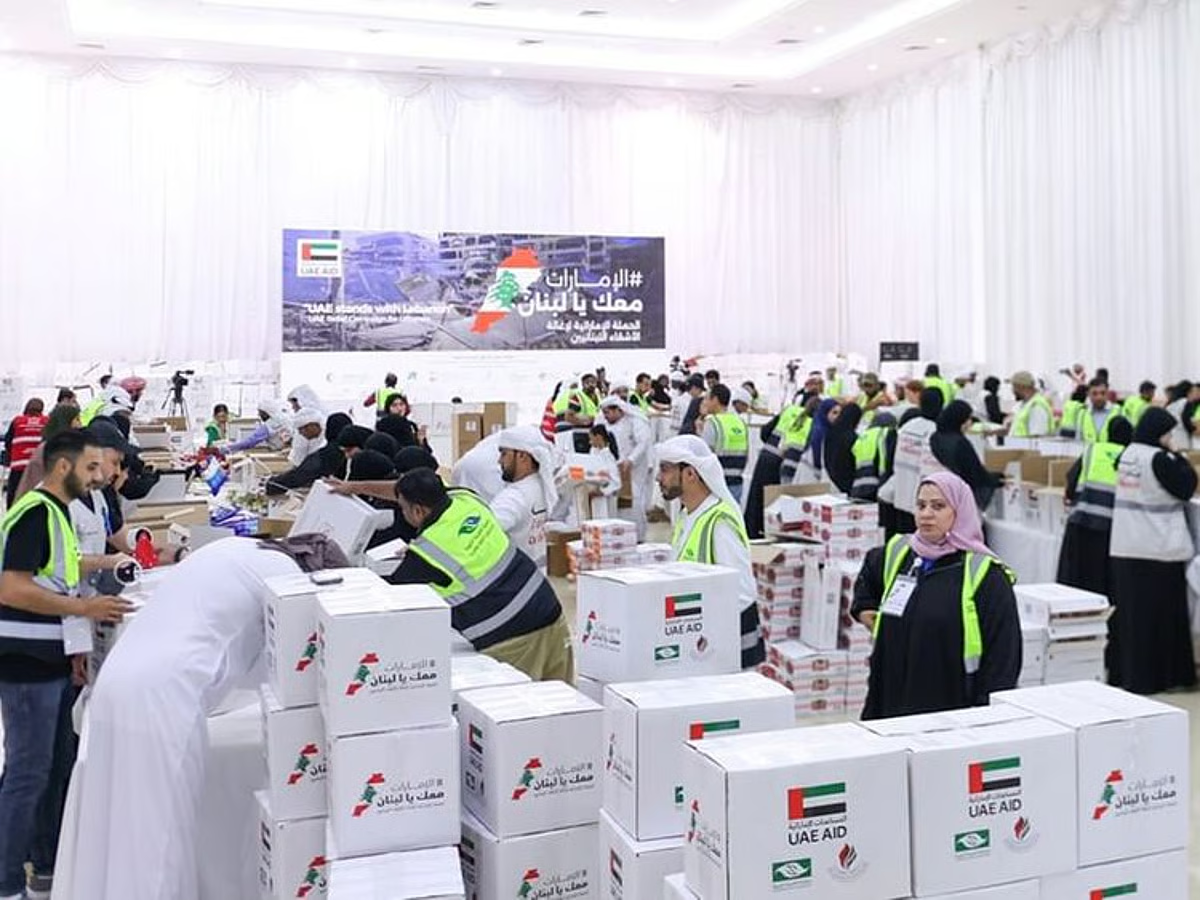

Recent initiatives are highlighting the crucial role of volunteering in the psychosocial well-being of children and young people impacted by conflict and forced migration. Organizations working with displaced populations are increasingly emphasizing the benefits of providing opportunities for these vulnerable individuals to engage in meaningful activities. These programs, operating in regions affected by war and refugee crises globally, aim to empower youth and foster a sense of normalcy amidst disruption.
The focus is shifting from solely providing aid to actively involving those affected in the recovery process. This approach recognizes that simply meeting basic needs isn’t enough to address the deep emotional and psychological scars left by war and displacement. Several international aid groups and government ministries are expanding their volunteering programs to meet growing demand, particularly as conflicts continue to generate new waves of refugees and internally displaced persons.
The Healing Power of Volunteering for Displaced Youth
The core principle behind these programs is that volunteering offers a pathway to regaining agency and self-worth for children and young people who have experienced trauma. War, displacement, and seeking refuge often strip individuals of control over their lives, leaving them feeling helpless and vulnerable. Participating in even small-scale volunteer work can counteract these feelings by providing a sense of purpose and accomplishment.
Restoring a Sense of Safety and Control
According to reports from the United Nations High Commissioner for Refugees (UNHCR), children and adolescents affected by conflict frequently exhibit symptoms of anxiety, depression, and post-traumatic stress. Simple tasks, such as preparing a meal for others or organizing a communal space, can create a predictable routine and a feeling of contributing to something positive. This, in turn, can help rebuild a sense of inner safety and stability.
The ability to manage aspects of daily life is often severely compromised during displacement. Access to education, healthcare, and even basic necessities can be disrupted. Volunteering provides an opportunity to practice skills and take on responsibilities, fostering a sense of self-efficacy and resilience. This is particularly important for adolescents navigating the challenges of identity formation during a period of immense upheaval.
Impact on Psychosocial Well-being
Beyond individual benefits, volunteering can also strengthen social connections within displaced communities. Working alongside peers and adults towards a common goal promotes collaboration, empathy, and a sense of belonging. These social bonds are vital for emotional support and can help mitigate the isolating effects of displacement.
Furthermore, these initiatives often incorporate elements of psychosocial support, such as group discussions and mentorship opportunities. While not a replacement for professional mental health care, these activities can create a safe space for young people to process their experiences and develop coping mechanisms. The focus is on building protective factors that can buffer against the long-term effects of trauma.
However, it’s crucial that these programs are implemented responsibly. Organizations must prioritize the safety and well-being of young volunteers, ensuring they are not exposed to further harm or exploitation. Training and supervision are essential to equip volunteers with the skills and support they need to perform their tasks effectively and avoid re-traumatization.
The concept of “do no harm” is paramount. Careful consideration must be given to the types of volunteer activities offered, ensuring they are age-appropriate and aligned with the specific needs of the community. For example, involving children in activities that directly address the consequences of violence may be detrimental to their mental health.
Meanwhile, the effectiveness of these programs is increasingly being studied. Preliminary findings suggest a positive correlation between participation in volunteering activities and improved mental health outcomes among displaced youth. Researchers are exploring the specific mechanisms through which volunteering exerts its therapeutic effects, as well as identifying best practices for program design and implementation. Related research also focuses on the benefits of refugee protection and armed conflict resolution.
In contrast to traditional aid models that often position beneficiaries as passive recipients, these volunteering initiatives empower young people to become active agents of change. This shift in perspective is not only beneficial for their individual well-being but also contributes to the overall resilience and self-reliance of displaced communities.
The Ministry of Social Affairs in several countries hosting large refugee populations has expressed support for expanding these programs. They recognize the potential of volunteering to complement existing humanitarian efforts and promote social cohesion between host communities and newcomers. Funding for these initiatives, however, remains a significant challenge.
Looking ahead, the UNHCR is expected to release a comprehensive report on the impact of youth-led initiatives in refugee settings by the end of the year. This report will likely inform future policy recommendations and funding priorities. Continued monitoring and evaluation are essential to ensure that these programs are meeting the needs of the communities they serve and achieving their intended outcomes. The long-term sustainability of these programs, particularly in protracted displacement situations, also remains a key area of concern.