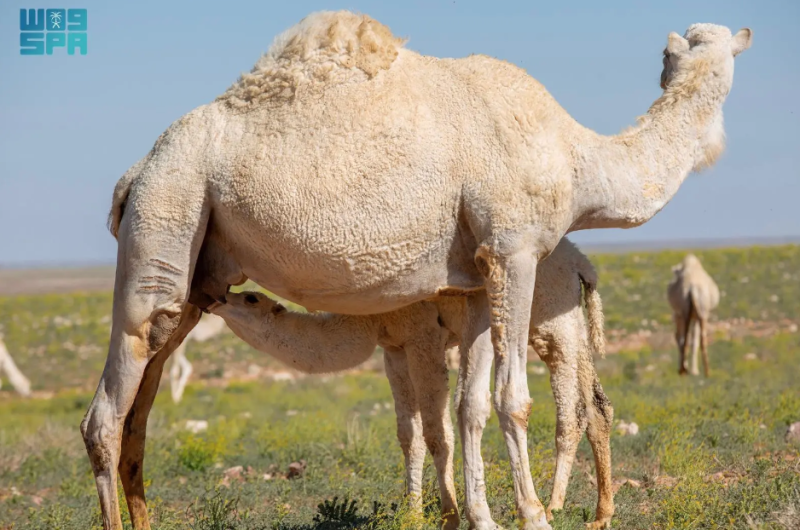

Riyadh — In Saudi Arabia, camels are deeply interwoven with the nation’s heritage, economy, and cultural identity. Far more than simple livestock, these animals represent a tangible link to the Kingdom’s past and a growing area of modern economic diversification. For visitors seeking to understand Saudi Arabia beyond its modern urban centers, exploring the world of camels offers a unique and insightful perspective.
The significance of camels in the region dates back centuries, and continues to resonate today.
The Historical and Contemporary Importance of Camels in Saudi Arabia
For generations, camels were indispensable for survival in the Arabian Peninsula, providing transportation, sustenance, and a crucial means of trade across the vast and arid landscapes. Camel milk, in particular, served as a staple food for nomadic and settled communities alike, valued for its nutritional properties and ability to sustain life in harsh conditions. The Food and Agriculture Organization (FAO) now recognizes camel milk as a globally viable nutritional source.
However, the role of the camel has evolved significantly in recent years. Driven by a renewed focus on cultural preservation and economic growth, Saudi Arabia is witnessing a resurgence of interest in these iconic animals. The Ministry of Culture (MOC) estimates that the Kingdom is home to over 2.1 million camels, with a substantial portion – 1.8 million – owned by over 80,000 individuals.
From Traditional Uses to Modern Industry
The economic contribution of the camel sector is substantial, estimated at approximately SR50 billion annually. This impact extends beyond traditional nomadic herding to include a burgeoning modern industry. Saudi dairy brand Sawani & Noug, backed by the Public Investment Fund, is a prime example, expanding camel milk production into a range of products, including ice cream and flavored beverages – positioning it as a lifestyle offering for domestic consumers and potentially international markets.
Additionally, the Kingdom’s investment of over SR1 billion in camel research, breeding, and production underscores a long-term commitment to the sector’s sustainability and improvement. This investment is expected to drive innovation in camel husbandry and further enhance the economic value of camel products.
Global Recognition and Cultural Festivals
The growing appreciation for camels is not limited to Saudi Arabia. The United Nations designated June 22 as World Camel Day and identified 2024 as the International Year of Camelids, acknowledging their importance for food security and cultural heritage globally. Saudi Arabia has actively participated in these United Nations initiatives, showcasing camels as a defining component of its national identity.
For visitors, camel festivals offer a direct and immersive experience into this rich culture. Events like the King Abdulaziz Camel Festival combine traditional competitions with modern entertainment, attracting large crowds and generating significant economic activity. These festivals also feature camel beauty contests – officially known as the King Abdulaziz Mazayen al-Ibl Award – where animals are judged based on established aesthetic traits.
The scale of these gatherings is notable. One edition of the Crown Prince Camel Festival entered the Guinness World Records with over 21,637 participating camels, according to the Saudi Press Agency (SPA). The region of Tabuk also maintains strong traditions, with a camel field hosting seasonal races and celebrations.
Historical and Religious Significance
The connection between camels and Saudi Arabia runs deep, extending into religious and historical narratives. The Prophet Muhammad’s camel, Al-Qaswa, is central to Islamic tradition, as it rested on the very site in Madinah where Al-Masjid Al-Nabawi was eventually built. This association lends a profound spiritual significance to the animal.
Historically, camels – often called “ships of the desert” – were essential for traversing ancient trade routes, including the famed Silk Road. They could carry substantial loads, up to 400 kilograms, enabling the exchange of goods like spices and silk across vast distances. King Abdulaziz, the founder of modern Saudi Arabia, was also known to maintain a prized collection of camels, reflecting their status and value.
Preservation, Research, and Future Outlook
Modern Saudi Arabia is also focusing on the scientific aspects of camel preservation and well-being. The International Camel Organization, headquartered in Riyadh, prioritizes genome research and improved animal care practices. Meanwhile, the National Center for the Prevention and Control of Plant Pests and Animal Diseases (WEQAA) conducts rigorous testing at festivals to safeguard herd health and prevent potential disease outbreaks.
Research also suggests that camels possess a sophisticated communication system, utilizing a range of vocalizations that convey nuanced information about their physical and emotional states. Efforts are underway to preserve and study this unique aspect of camel behavior as part of the Kingdom’s cultural heritage. The report further indicates that camels demonstrate surprising intelligence, with recent studies showing variation in cognitive skills.
Looking forward, the ongoing investment in research and breeding programs, coupled with the increased global recognition of camelids, suggests that the sector will continue to evolve and contribute to the Saudi economy and cultural landscape. Future developments will likely focus on expanding camel milk production, improving breeding practices, and further promoting camel-related tourism, but uncertainties around climate change and disease management remain key considerations.